Water Damage Restoration in Waco
A spreading puddle can connect several rooms before the source becomes obvious. Water damage restoration starts by locating that source, removing accessible water and measuring moisture inside the affected building materials.
(888) 527-9134Start with the water sourceRoom photographs and a description of the leak help explain the immediate cleanup needs.
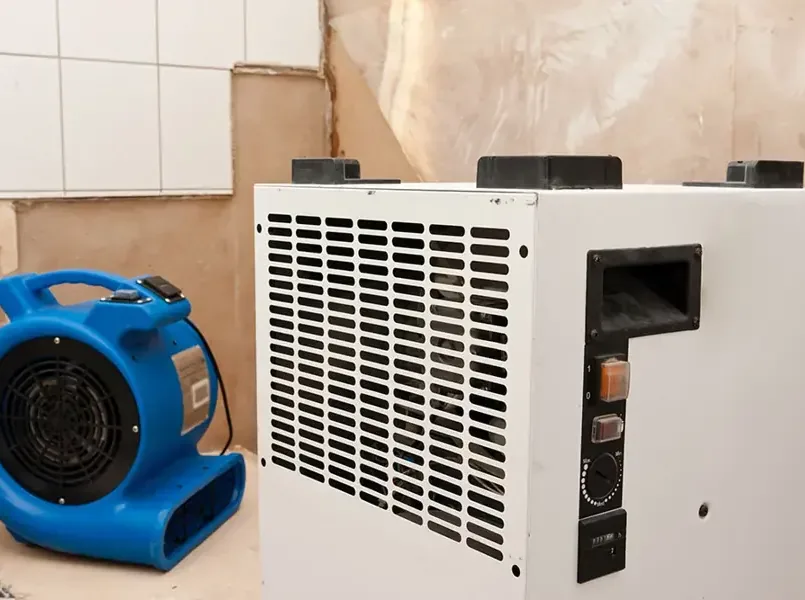
A safer starting point for a wet property
- 1
Keep clear of hazards
Standing water near electrical equipment, sagging ceilings or wastewater requires separation from the affected area. Residents should use a dry exit and keep children and pets away.
- 2
Stop a reachable supply
A known plumbing shutoff may limit further discharge when it can be reached safely. A damaged valve or uncertain source needs plumbing attention before anyone forces a connection.
- 3
Record the first observations
Photos from a dry location can show the starting condition. A short note about discovery, active dripping and the rooms involved makes the later damage record easier to follow.
- 4
Protect nearby dry belongings
Movable items outside the wet area can be relocated before water reaches them. Heavy furniture, saturated boxes and anything touching electrical devices should remain for a safe handling plan.
- 5
Describe the affected materials
Carpet, plank flooring, wallboard and cabinets hold water differently. Mentioning these materials helps establish what needs inspection, alongside the visible puddle and any recently stopped leak.
Different leaks leave different work behind
A supply pipe, washing machine and overflowing drain require different decisions. The service descriptions below separate source repair from the extraction, material handling and drying needed after water enters a room.
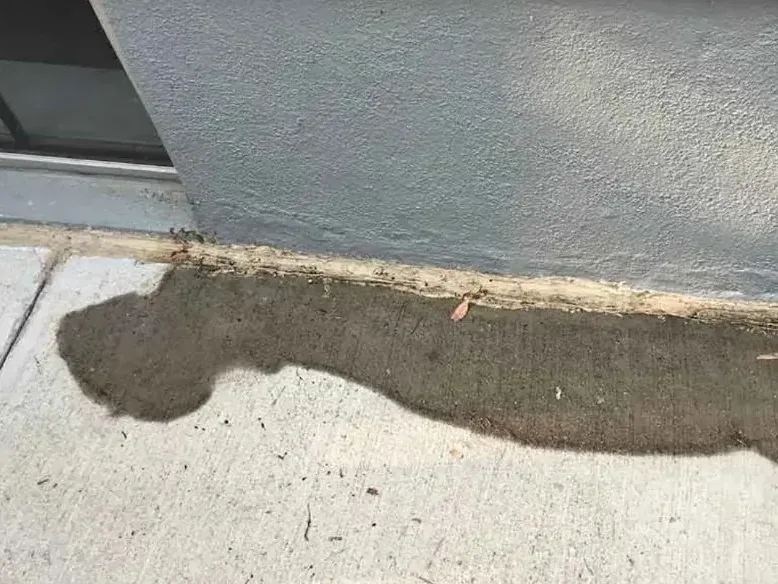
Slab Leak Water Damage
Damp floor edges may trace back beneath the slab. Moisture mapping connects the plumbing repair area with wet finishes farther away.
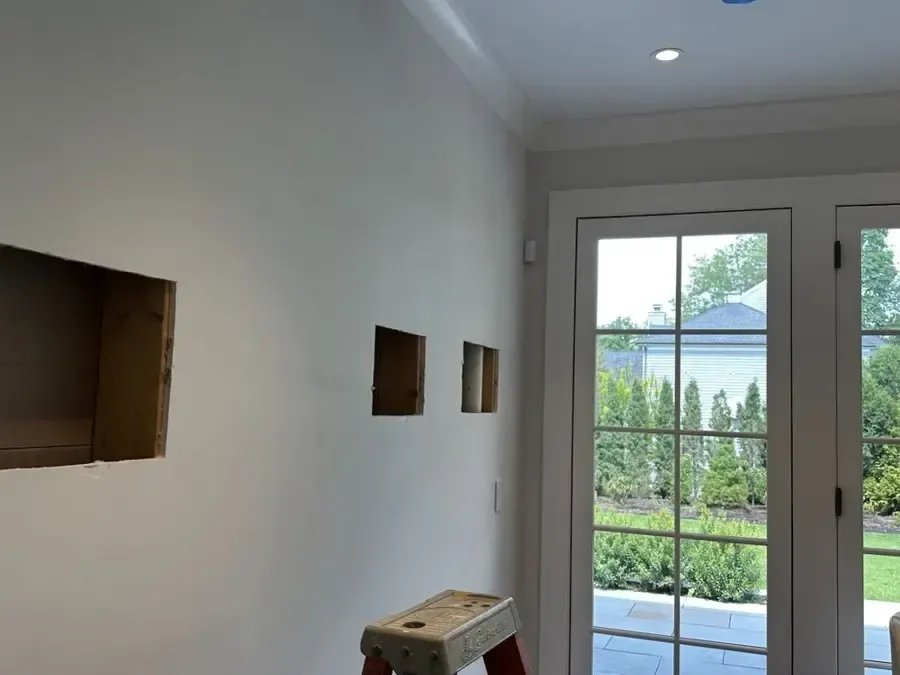
Copper Pinhole Leak Water Damage
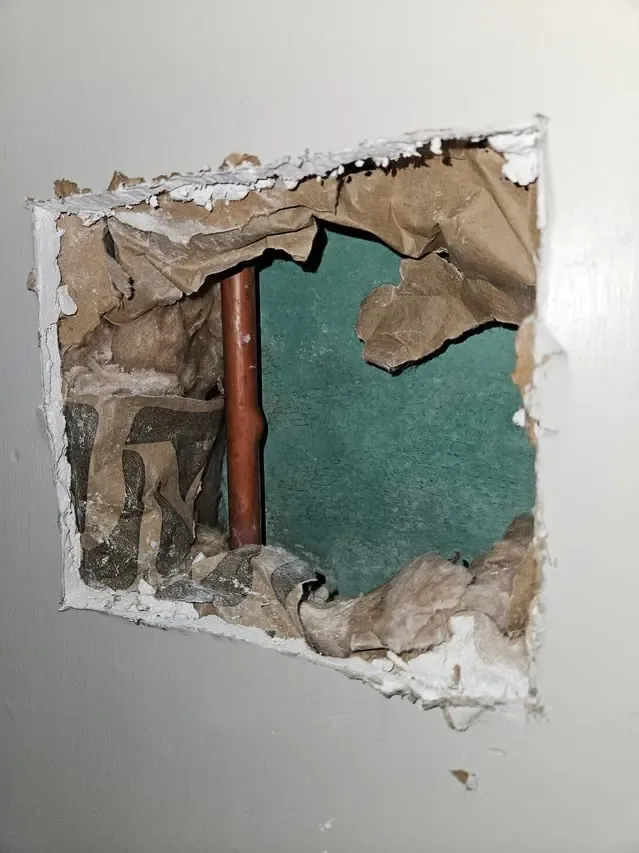
Small copper leaks can soak a wall quietly. Cavity inspections establish where moisture traveled before a stained surface gets closed again.
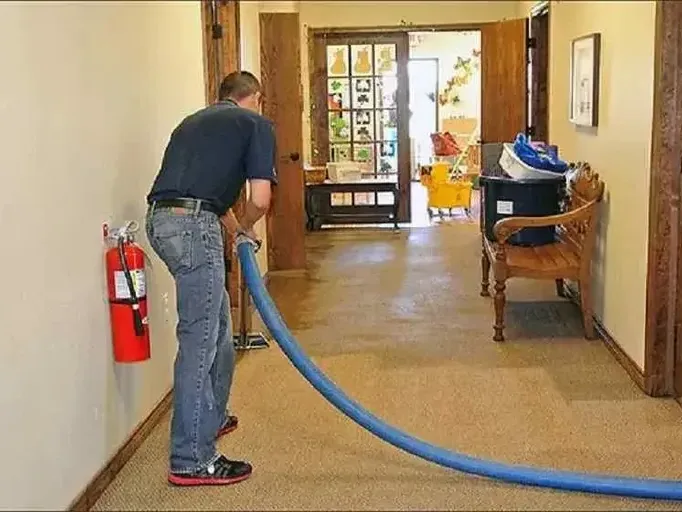
Emergency Water Extraction
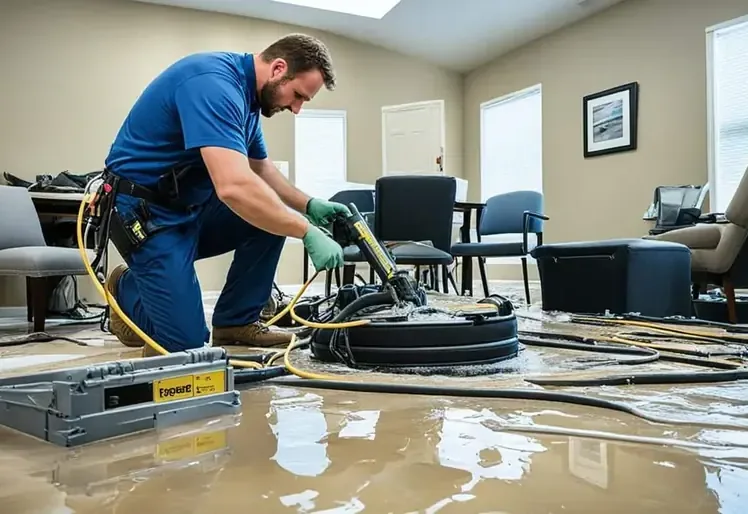
Standing water removal opens the next stage of recovery. Extraction reaches accessible flooring while inspections identify soaked layers that still need attention.
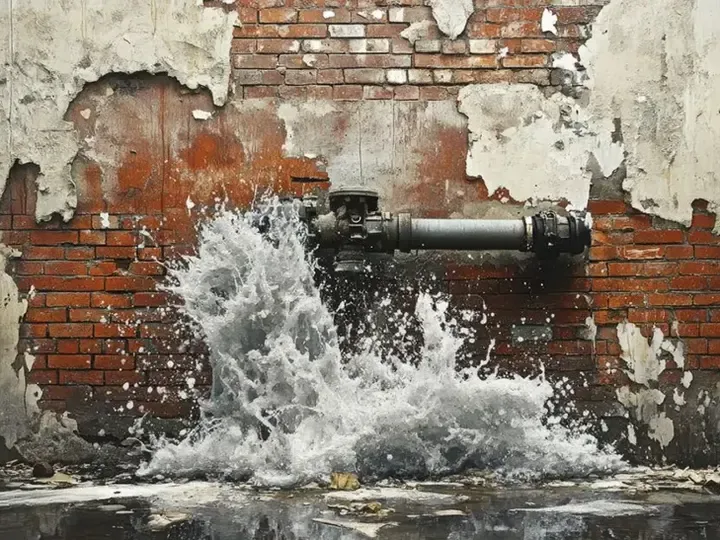
Burst Pipe Water Damage
A ruptured pipe can release water into several spaces. Cleanup follows the discharge through rooms, walls and low points after isolation.
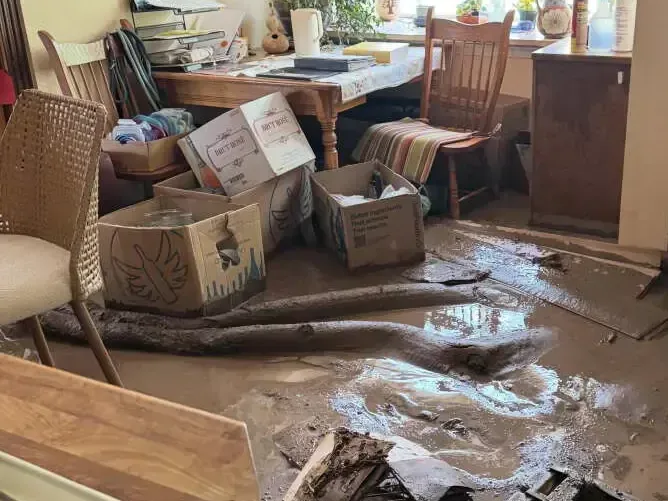
Storm Water Damage
Water arriving from outdoors brings a different cleanup problem. Sediment, entry paths and affected porous materials shape the work inside.
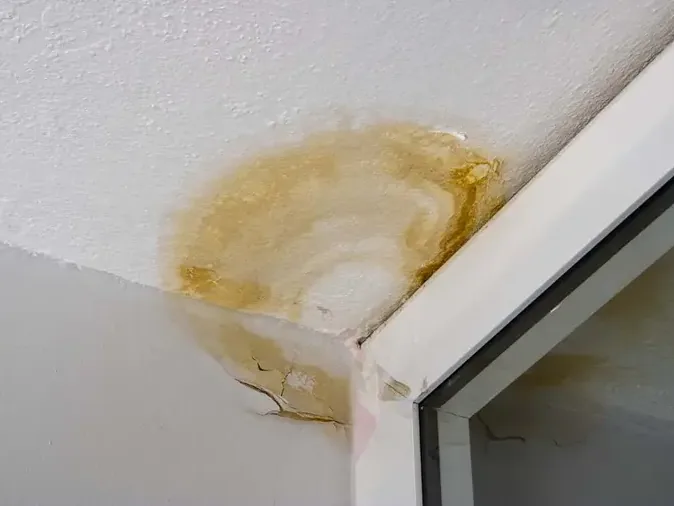
Roof Leak Water Damage
Roof entry may wet insulation before the ceiling changes color. Attic inspection connects the weather opening with the room damage below.
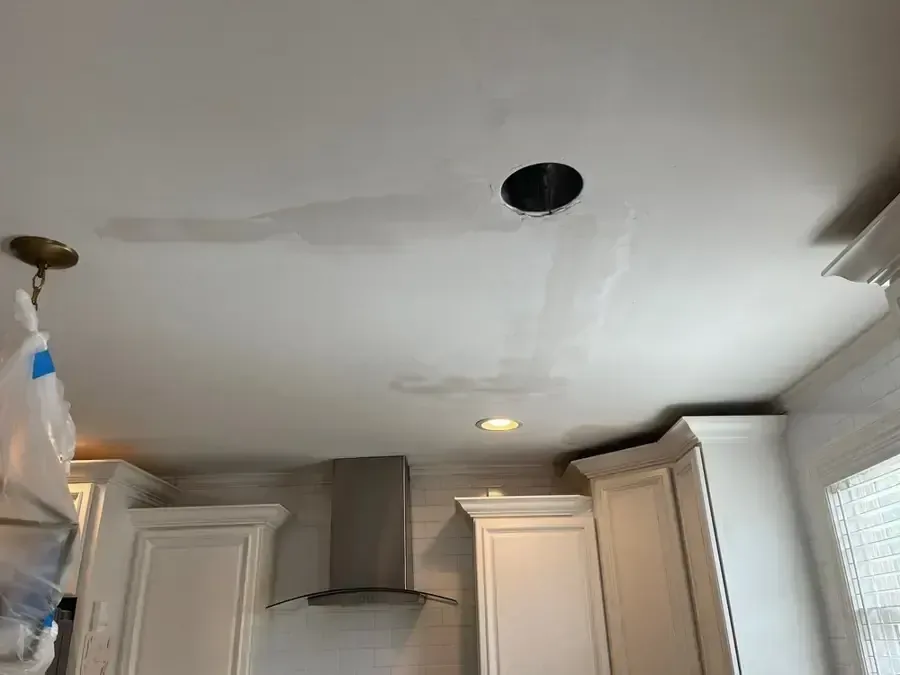
Ceiling Leak Water Damage
Bulging overhead material needs a clear area beneath it. Safe access comes before opening cavities or beginning controlled ceiling drying.
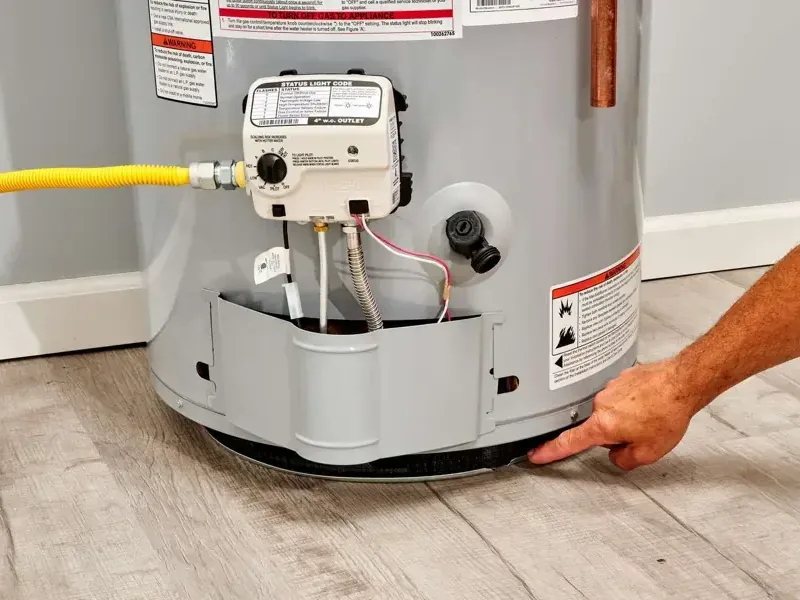
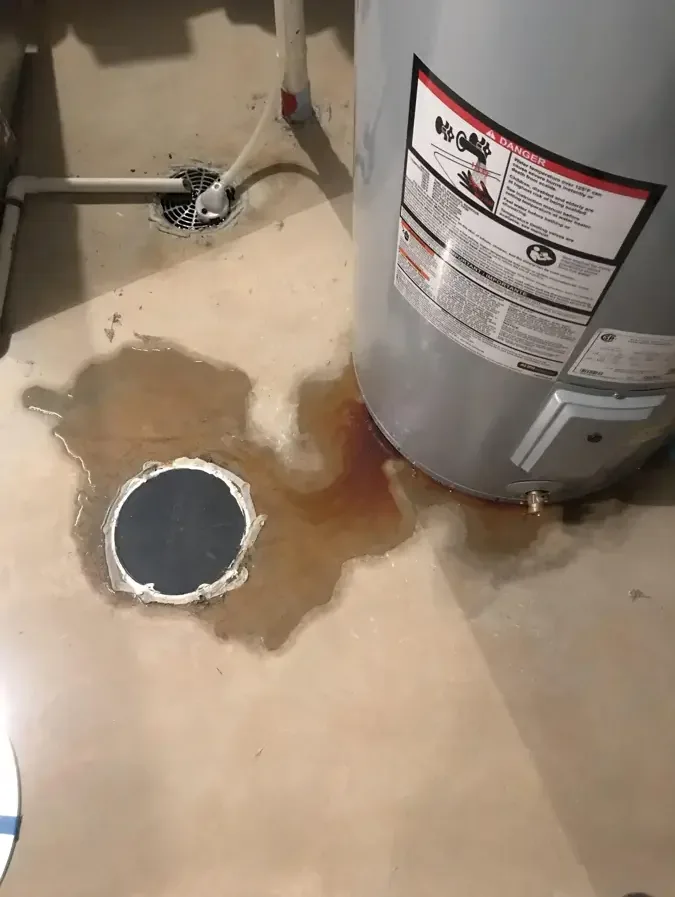
Water Heater Leak Cleanup
A leaking tank can wet adjoining storage and floor edges. Cleanup includes the concealed spaces around its platform and nearby walls.
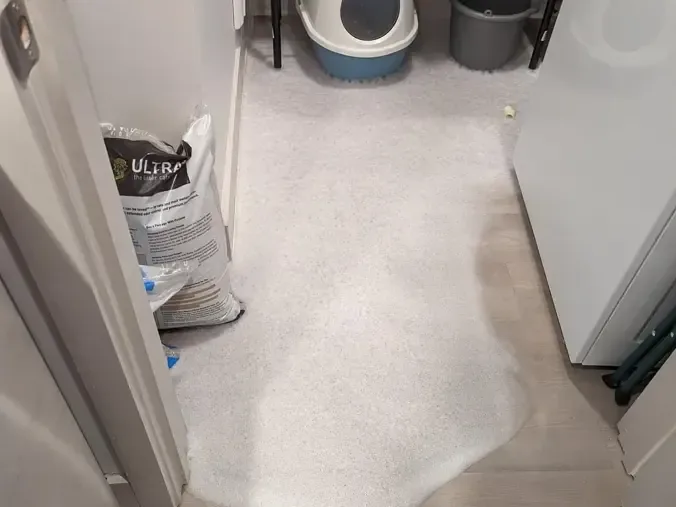
Appliance Leak Water Damage
Dishwasher and washer leaks travel under fixtures. Appliance access helps reveal wet cabinet bases, floor seams and adjoining wall edges.
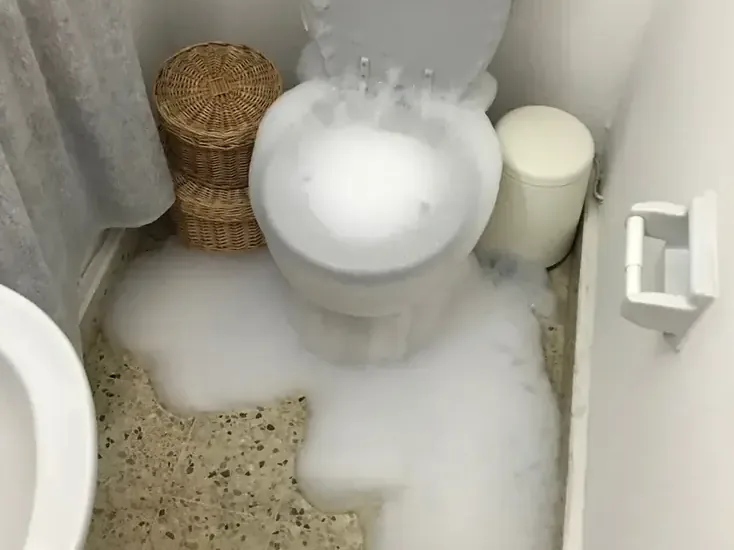
Bathroom Leak Water Damage
Fixture leaks, failed seals and overflows need separate diagnosis. The water source determines whether affected finishes need drying or contaminated material removal.
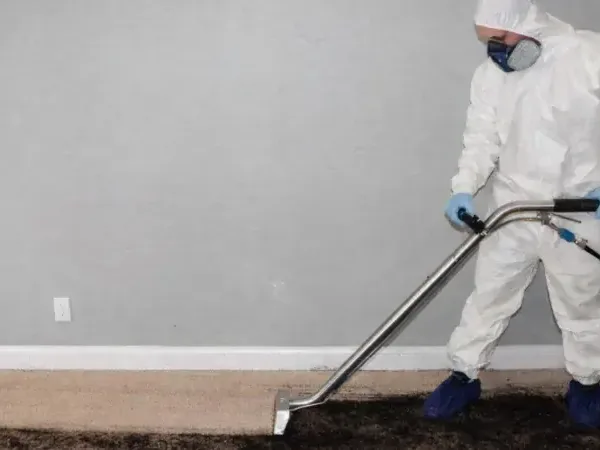
Sewage Backup Cleanup
Wastewater on a floor calls for restricted access. Controlled removal and cleaning come before equipment circulates air through the affected space.
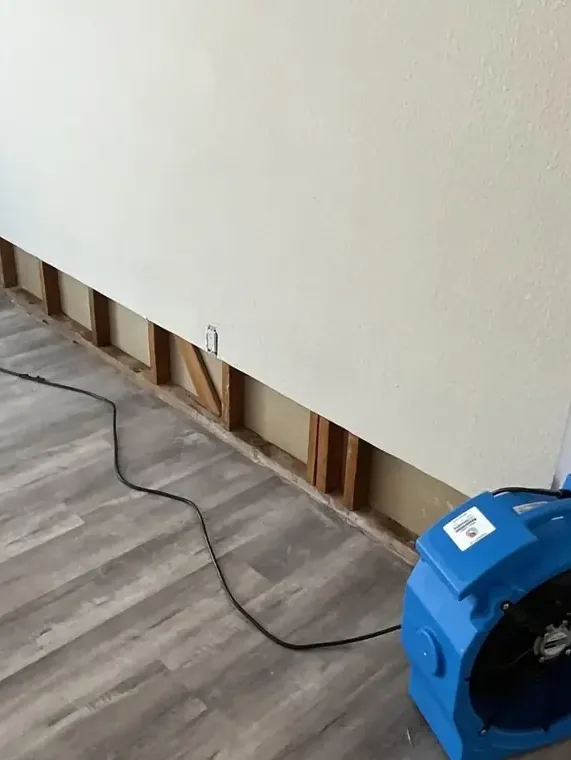
Condo and Townhome Water Damage
Water crossing unit boundaries needs coordinated access. Linked moisture records help occupants and managers understand which shared assemblies remain wet.
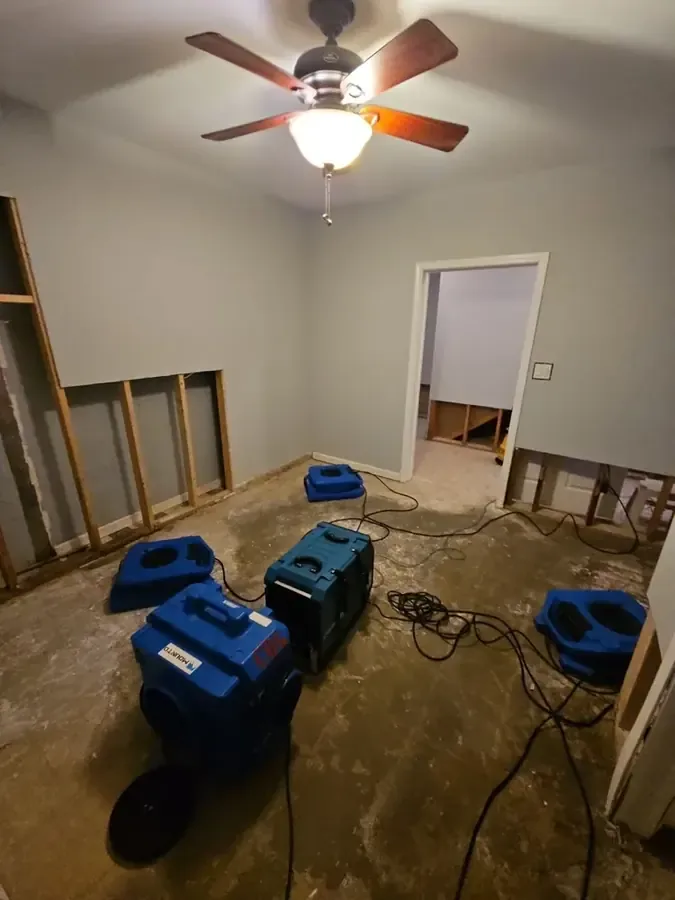
Structural Drying
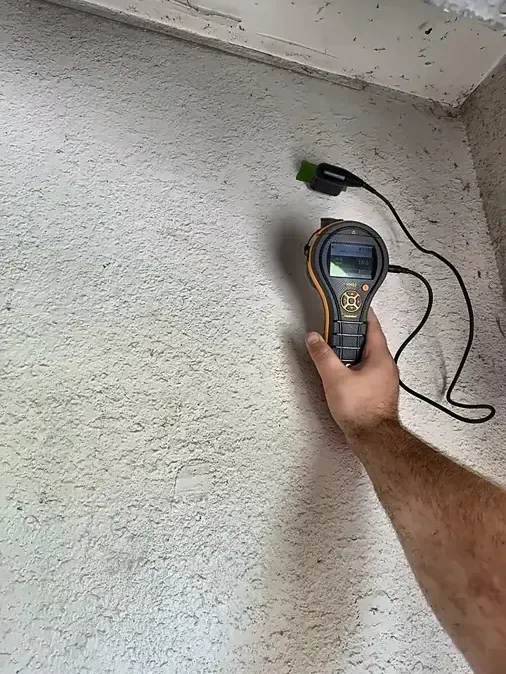
Dry surfaces can conceal wet building layers. Repeated readings show whether retained framing, floor assemblies and wall cavities are recovering.
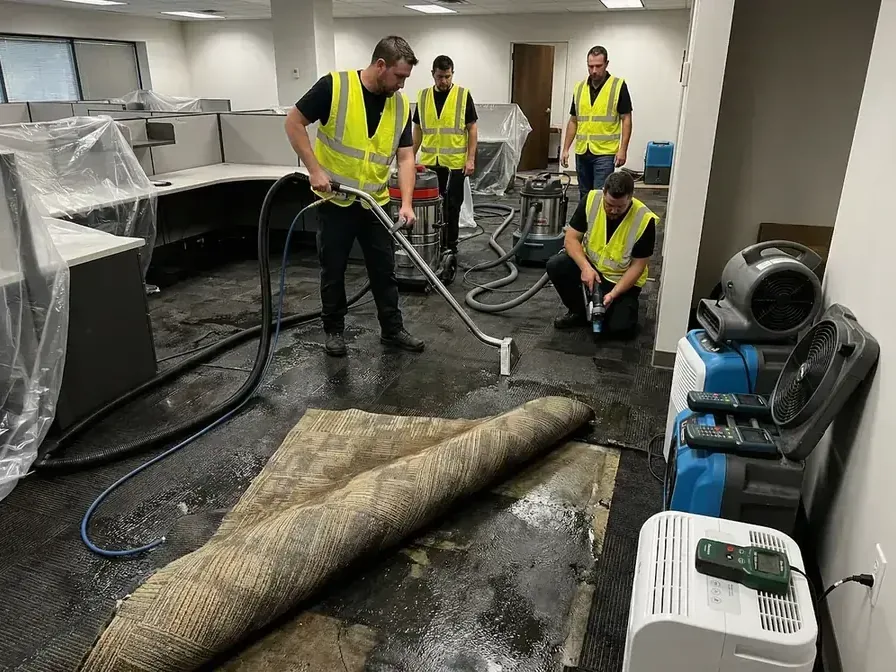
Commercial Water Damage
Occupied premises need a workable cleanup boundary. Equipment placement, stock protection and documented room access support decisions about continuing operations.
What affects restoration costs in Waco?
The size of the wet area is only part of a restoration estimate. Water quality, trapped moisture, access behind finishes and the amount of material that can remain all affect the scope. A written assessment should connect each charge to the affected spaces.
Contained room work
$1,000 to $3,000- Accessible water removal
- Focused material moisture checks
- Limited drying equipment placement
Connected interior spaces
$3,000 to $7,500- Several affected floor areas
- Additional wall cavity access
- Equipment adjustments between visits
Complex building damage
$7,500 to $15,000+- Extensive concealed moisture investigation
- Contaminated material removal decisions
- Detailed recovery and drying records
These planning ranges describe cleanup situations, not a quote for an unseen property. Plumbing repairs, roofing work and rebuilding should be identified separately so the full project remains understandable.
Clean supply, used water and wastewater
Supply discharge
Water escaping a supply connection may initially be cleaner, but contact with building materials and elapsed time still affect handling.
Explore extractionUsed appliance water
A washing cycle or dishwasher discharge carries material from the appliance. The contents and path matter when deciding what stays.
Inspect appliance damageSewage entry
A drain backup can contaminate flooring and belongings. Access control and removal of affected porous materials precede ordinary room drying.
Assess backup cleanupDrying progress needs more than a surface check
A room may look better as soon as the puddles disappear, while its lower walls remain wet. A useful drying record identifies the tested materials, follows repeat readings and explains why equipment stays, moves or leaves the property.
- 1
Establish the boundary
Inspections follow the water beyond the obvious puddle, including transitions between floor finishes and accessible wall cavities adjoining the affected room.
- 2
Remove accessible water
Extraction reduces the amount of liquid left for drying equipment to evaporate. Material condition and water source determine how removal proceeds.
- 3
Manage indoor conditions
Air movement and dehumidification are arranged around the affected assemblies. Closed compartments need an access decision before equipment placement can be effective.
- 4
Verify the remaining materials
The final assessment compares retained materials with appropriate dry references. Results support repair planning instead of relying on how the room smells.
A clear explanation at each decision
Property owners need to know what is wet, what caused it and what happens next. A practical assessment connects those questions with the building itself, separating immediate cleanup from source repairs and the later replacement of damaged finishes or furnishings.
Visible scope
A room inventory identifies affected surfaces and concealed areas needing access. It helps prevent a small visible stain from defining an incomplete cleanup boundary.
Source coordination
The restoration plan accounts for plumbing or roof repairs so drying does not continue against an active leak. Repair responsibilities should be clear before closure.
Material choices
Different finishes respond differently to moisture. Decisions about removal or retention should describe condition, contamination and access instead of treating every wet item alike.
Usable records
Photos and readings give the owner a record for discussions with repair trades or an insurer. They also explain changes as more damage becomes accessible.
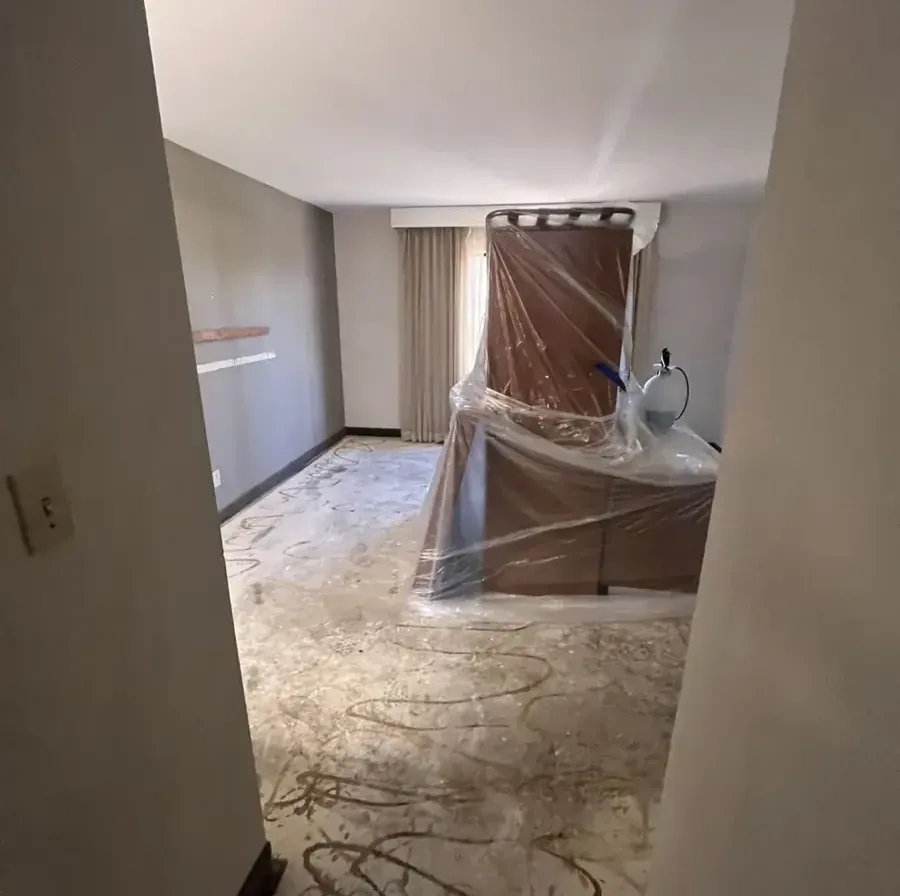
Document the loss as it develops
An insurer can evaluate the policy while the owner records conditions and arranges reasonable mitigation.
- Discovery notes and photographs of the wet rooms
- The suspected source and completed repair paperwork
- An inventory of affected furniture and belongings
- Invoices explaining removal, cleaning and drying work
- Moisture records supporting the condition of retained materials
When paying for cleanup directly
A self funded project still benefits from a written scope. The owner can ask which tasks address immediate water damage, which depend on opening concealed areas and which belong to a separate rebuilding estimate. Clear boundaries make comparisons more useful.
The least expensive equipment arrangement may leave inaccessible moisture behind. Estimates should explain how cavities and floor layers will be evaluated, how progress will be recorded and what condition must be reached before the space is ready for repairs.
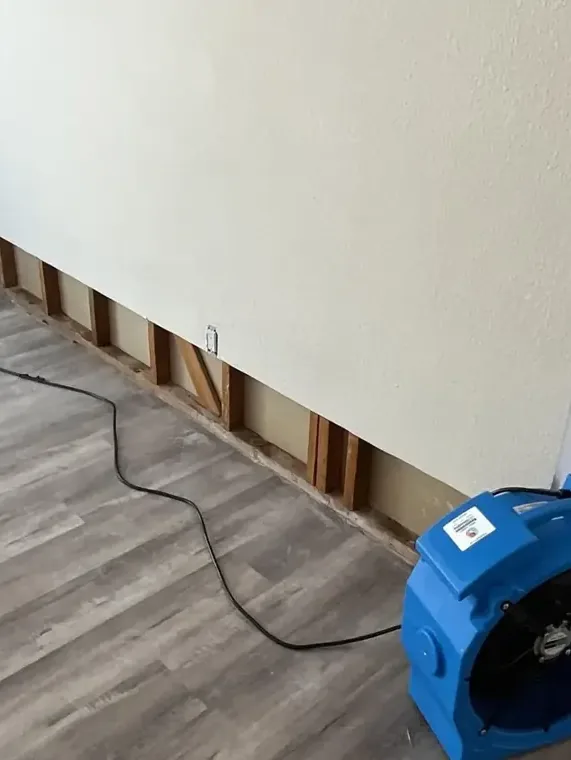
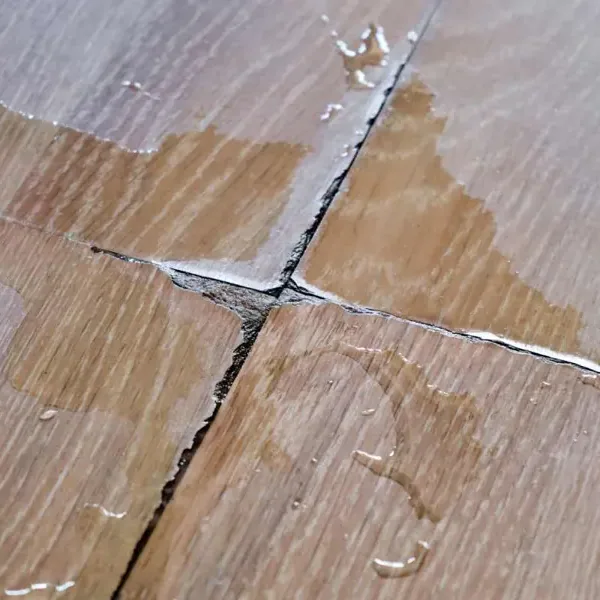
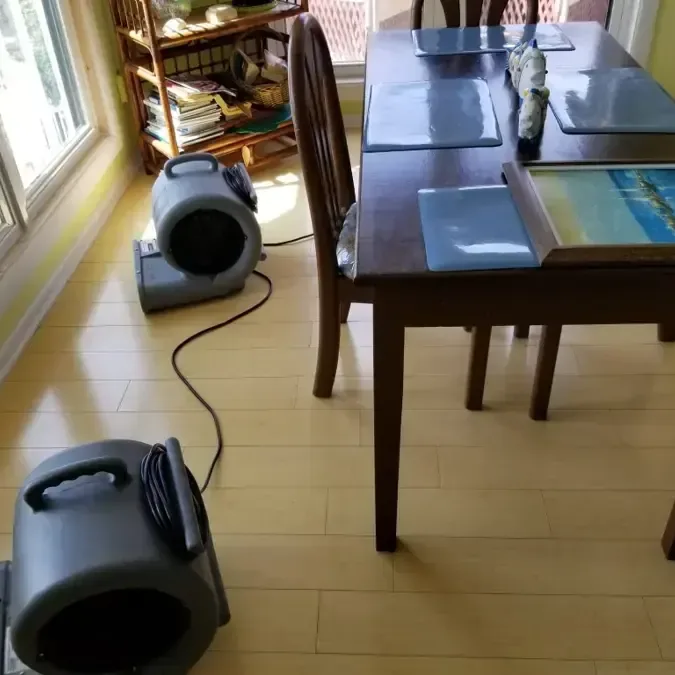
Water removal and interior recovery in view
Restoration access across Waco
Recognizable local routes
Selected postal ZIPs
A river city with indoor leak risks
The Brazos River runs through Waco, while Lake Waco supplies water to the city and surrounding communities. Outdoor water entry and an interior plumbing leak require different investigations, even when the visible floor damage looks similar.
- Concealed pipe escape Supply leaks may spread inside a wall before the room shows damage.
- Weather driven entry Roof openings require different repairs from an indoor fixture leak.
- Wet floor layers Surface extraction may leave moisture beneath finishes or along transitions.
- Wastewater contact Drain backups require controlled access around contaminated spaces.
- Cold weather damage Plumbing needs inspection when thawing reveals a new leak.
- 1870:
The Waco Suspension Bridge was built across the Brazos River, a prominent feature of the city and its riverfront setting.
- 1965:
Lake Waco dam was completed, creating the reservoir that supplies Waco's water.
- February 2021:
Waco Regional Airport recorded 205 consecutive hours at or below freezing.
Questions about recovering a wet home
What information helps at the first call?
The most useful description includes whether water is still entering, which rooms are affected and whether the source is plumbing, weather or a drain. Electrical concerns, sagging overhead material and restricted entry should also be mentioned so the initial access plan addresses them.
Can a floor look dry before drying finishes?
Yes. The exposed surface can lose moisture while underlayment, wall bottoms or a cabinet base remain wet. Repeat measurements at the affected layers help establish progress. A finish should not be replaced simply because a room feels comfortable or the visible puddle is gone.
Does water near the river need different cleanup?
The route and source of water determine the cleanup method. Water that entered from outdoors requires evaluation for contaminants and affected porous materials. A supply leak inside a riverfront property still needs its own source investigation and moisture assessment rather than an assumption based on location.
Who repairs a leaking pipe or roof?
The appropriate repair trade handles the failed component. Restoration addresses the resulting wet building materials and contents. These tasks need coordination because closing a wall or reinstalling a ceiling before the source is repaired can expose the new work to another wetting event.
Should windows stay open during equipment operation?
The drying setup should determine that choice. Outdoor air can add moisture or change indoor conditions in ways that slow drying. The equipment plan should state how the work area is managed and whether doors, windows or ventilation need a particular arrangement while drying continues.
Is every bathroom overflow treated as sewage?
No. A supply fitting that leaks clean water differs from a toilet backup containing wastewater. The source, contents and affected materials must be assessed. When the origin is uncertain, access should stay restricted until the cleanup plan establishes appropriate handling for the water involved.
What should a written estimate explain?
It should identify the affected areas, water removal work, material handling, equipment and monitoring included in the proposed scope. Source repairs and rebuilding may be separate. Any allowance for concealed damage should explain what discovery would change the work or require an updated estimate.
Can occupied rooms remain in use?
That depends on water quality, electrical safety, access and the condition of the building materials. Equipment and hoses also affect movement. A practical occupancy decision identifies a safe dry area and separates it from active cleanup, with changes reviewed as the condition of the property becomes clearer.
What records help when repairs begin?
Photographs of opened assemblies, the source repair record and final moisture measurements help the next trade understand what happened. Removal notes should identify materials taken out and areas left accessible. Those records support decisions about closing cavities and installing replacement finishes after drying has been checked.
Describe the leak and the wet materials
A concise room by room description helps establish what needs immediate attention and which areas require closer inspection during cleanup.
Move from visible water to a defined plan
A useful restoration plan explains the source, the affected materials and the next decisions. Share the room conditions to begin a focused discussion about extraction, cleanup and drying.
(888) 527-9134Describe the water damage- Woodway, TX · McLennan County
- (888) 527-9134, open 24/7
- Dried to the IICRC S500 standard
- Find us on Google