A leak can cross the unit boundary

Condo and Townhome Water Damage in Woodway, TX

Water from another unit can reach a ceiling, shared wall or connected floor assembly. The restoration team coordinates authorized access and maps each affected space so a dry-looking room does not hide moisture on the other side.

(888) 527-9134Water crossed a shared wall?
Authorized access coordination Separate room moisture records 24/7 shared-unit loss dispatch
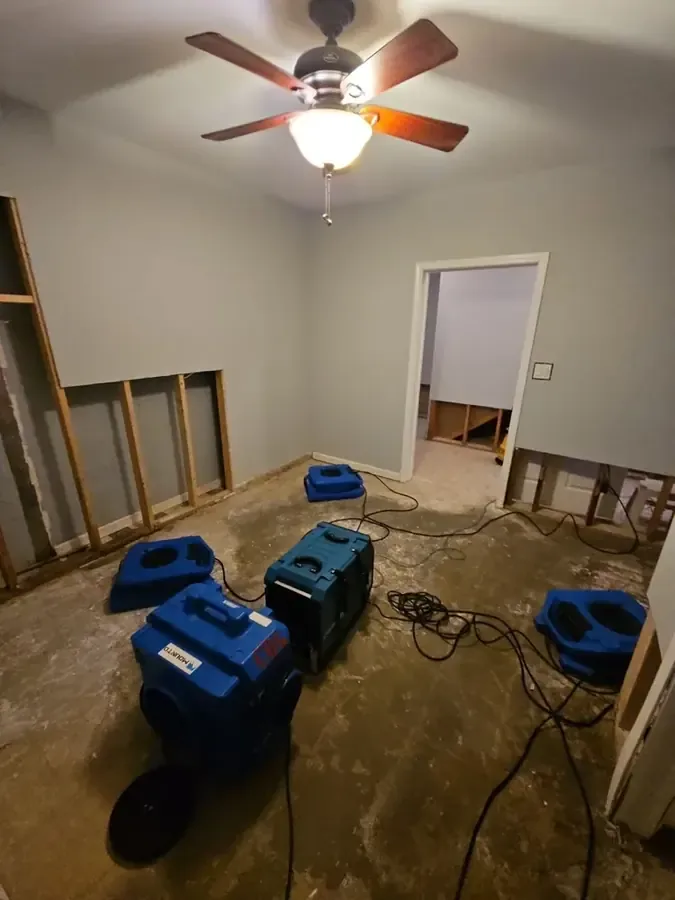
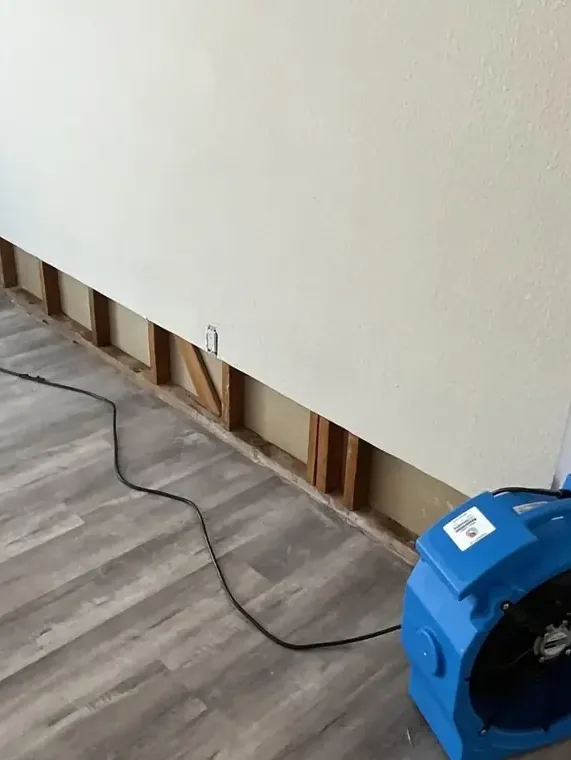
Blue air mover beside exposed studs along an opened lower wall
Right now

First steps for condo and townhome water damage in Woodway

  1. 1

    Notify the appropriate property contact

    Inform the owner, manager or association about active water and the apparent source. Access to another unit or a common area requires the responsible party to coordinate entry.

  2. 2

    Keep the wet area safe

    Avoid rooms with sagging ceilings or wet electrical fittings. Do not cross into another unit or disturb shared building systems while trying to locate the leak.

  3. 3

    Document each affected room

    Photograph the receiving space and note when the water began. Preserve source-control messages and any repair information without assigning blame before the source is evaluated.

  4. 4

    Explain access restrictions

    Mention occupied units, shared corridors and who can authorize entry. The restoration team operates 24/7 dispatch and plans assessment around safe, permitted access.

Condo water damage in Woodway can involve more than the room where the first drip appears. Water may enter from an upper unit, a shared service route or an adjoining wall. The response team identifies the source contact and the access permissions needed for a complete inspection. Drying only the receiving room can leave the other side of the assembly wet.

Coordinating the first shared-space inspection

For an affected property around Estates Drive, the practical questions are who can authorize entry, where the source is controlled and which rooms are occupied. The technician records each inspected space separately. A manager or association may need to coordinate access to common areas, while unit owners retain their own property and policy questions.

  • Identify the source unit or common-area contact when known.
  • Record the discovery time and any communication about source isolation.
  • Measure both accessible sides of a shared wet assembly.
  • Document inaccessible spaces that still need permission or inspection.
Typical cost ranges

What does condo and townhome water damage cost in Woodway, TX?

Condo water damage mitigation commonly ranges from $1,500 to $4,500 for one accessible unit area. A shared assembly affecting several rooms may require $4,500 to $9,000. Multiple unit spaces and complex access can raise mitigation to $9,000 to $16,000 before reconstruction.

One affected unit area

$1,500 to $4,500
  • Room-level moisture map
  • Focused extraction and drying
  • Owner access coordination

Shared assembly loss

$4,500 to $9,000
  • Upper and lower material checks
  • Ceiling or wall access
  • Separate space documentation

Multiple unit spaces

$9,000 to $16,000
  • Complex authorized access
  • Additional equipment chambers
  • Coordinated monitoring and handoff

These planning ranges vary with water category, affected floor area, material class and the delay before drying. Access and disposal also affect the scope. The Woodway water damage cost calculator allows those conditions to be compared.

Step by step

How condo and townhome water damage is handled in Woodway

The restoration technician records the wet materials and dry comparison readings. That inspection sets the removal boundary, equipment arrangement and measurements needed before repairs begin.

  1. 1

    Identify contacts and the source

    The team establishes authorized access and source-control status. Each inspected room receives its own moisture record, with connected areas and missing access clearly identified.

  2. 2

    Control water and protect shared routes

    Extraction and necessary removal proceed with protection for common paths and occupied areas. The scope considers contamination and the condition of the affected assemblies.

  3. 3

    Monitor across the boundary

    Drying equipment addresses accessible wet materials on the relevant sides of the loss. Scheduled checks track progress and flag any space that remains unavailable.

  4. 4

    Document a coordinated closure

    Final readings support the repair handoff for each space. The record lists completed drying, remaining source work and any uninspected areas requiring further authorization.

Drying without losing track of connected materials

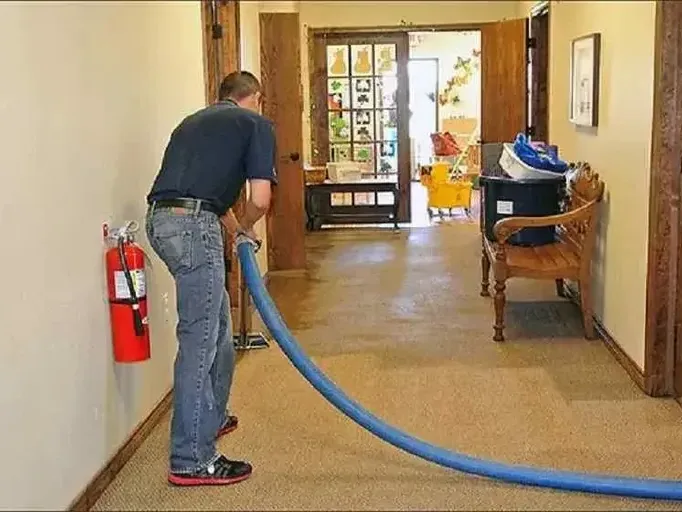
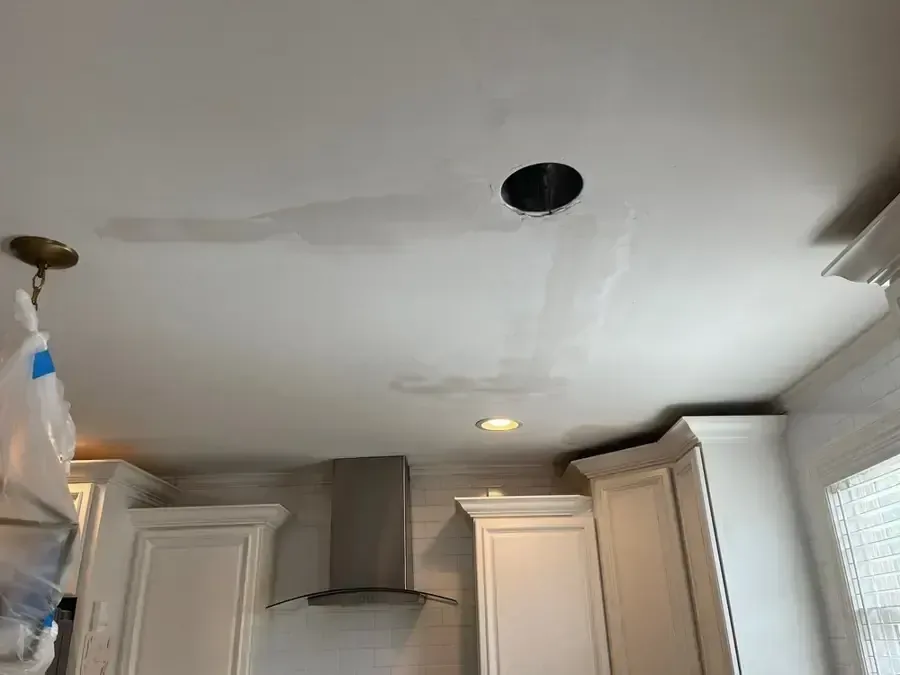
A ceiling cavity can link an upper floor to the room beneath it. The technician checks joists, insulation and wall intersections as access permits. Equipment placement considers occupied rooms, safe exits and hose routes through shared spaces. Containment and protective measures depend on the water category and the work being performed.

Near Carleen Bright Arboretum, the specific building layout determines whether equipment can remain within one unit or needs coordinated access elsewhere. A restoration plan should identify those requirements before reconstruction closes the ceiling or shared wall. Separate moisture maps help show how each room improves while preserving the connection between the affected assemblies.

  • Keep common walkways clear of unprotected cords and hoses.
  • Arrange access windows that allow repeat material readings.
  • Record equipment changes and power interruptions by room.
  • Check the source side again if the receiving room becomes wetter.
Keeping responsibility separate from physical findings

For a shared-unit loss near Woodway Park, authorized access and room-level records keep the work coordinated. The restoration record should identify observed damage and completed work without deciding which owner or policy is responsible. Governing documents, leases and insurer decisions may affect that allocation and should be reviewed by the appropriate parties.

The Ready.gov water safety guidance explains hazards in flooded spaces. The EPA WaterSense information supports household leak awareness. A shared-building loss still requires occupants to avoid wet electrical fittings and leave unsafe areas clear until assessed.

Before closure, the record should distinguish dry materials, removed finishes and spaces not yet available for inspection. Source repairs and access permissions belong in the project communication. The upper subfloor needs its own inspection before the shared assembly is closed. The handoff should make those remaining tasks explicit.

Woodway, TX service area
Service area

Condo and townhome water damage in Woodway, TX

Restoration service covers Woodway, ZIP 76712, including Estates Drive and properties around Carleen Bright Arboretum. The assessment follows moisture through the affected building.

Nearby coverage reaches Waco, Hewitt, Robinson, Bellmead and Lacy-Lakeview.

See every Woodway neighborhood and nearby town covered

Answers

Condo and Townhome Water Damage questions in Woodway, TX

Can one unit be dry while the next remains wet?

Yes. Shared assemblies can have different access and evaporation conditions on each side. Measurements should cover the connected materials where authorized access is available. A dry surface in one room does not settle the entire loss.

Who authorizes entry to another unit?

The responsible owner, manager or other authorized party coordinates access under the building arrangements. The restoration team should not assume permission. Access restrictions are documented so the inspection scope remains clear.

Does the restoration team decide who pays?

The physical inspection documents damage and work. Responsibility and coverage depend on governing documents, agreements and insurer decisions. Those questions should be handled by the relevant owners, managers and insurers using the restoration records.

Can drying equipment block a shared hallway?

Safe access routes must remain usable. Cords, hoses and equipment need a planned arrangement and protection where appropriate. The building layout and occupancy determine how the work can proceed safely.

What happens if the source unit is unavailable?

The team documents the limitation and coordinates the next access opportunity. Work in accessible areas may proceed where safe, but the record should identify what remains unchecked. Closure should not imply that an inaccessible assembly was verified dry.

What information helps the initial response?

Provide the affected room, apparent source, source-control status and manager or owner contact details. Dispatch operates 24/7. Mention shared access restrictions and any overhead or electrical hazards early in the conversation.

Still dealing with it?

A shared-wall loss needs access and records for the connected materials, not only the first visible stain.

(888) 527-9134Coordinate the wet-unit assessment
24/7 emergency dispatch

Bring connected spaces into one drying plan

Room-level measurements and authorized access keep the shared assembly clear through extraction, drying and reconstruction planning.

(888) 527-9134Arrange shared-space drying
(888) 527-913424/7 water damage help