Water overhead requires a careful approach

Ceiling Leak Water Damage in Woodway, TX

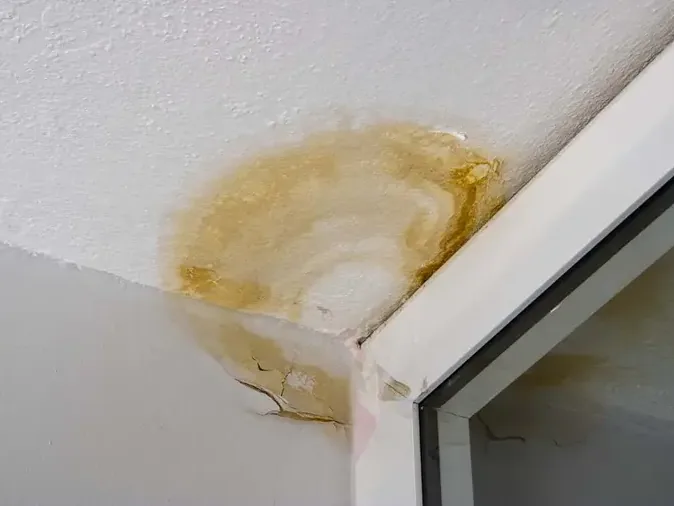
A dripping ceiling can conceal water beside wiring and above weakened drywall. The response team assesses safe access, traces the upper-room source and dries the affected cavity after damaged materials are controlled.

(888) 527-9134Ceiling dripping indoors?
Wet ceiling safety assessment Source-to-room moisture mapping 24/7 damage dispatch
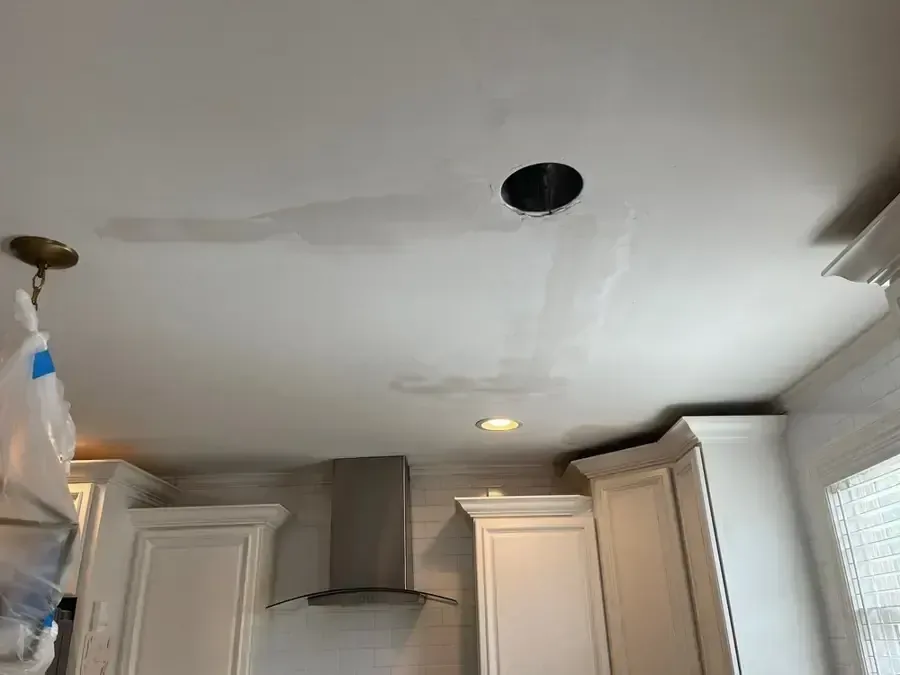
Discolored kitchen ceiling with an open light fitting above cabinets
Right now

First steps for ceiling leak water damage in Woodway

  1. 1

    Keep the area below clear

    Move people and pets away from the affected ceiling, especially where it sags or sheds material. Avoid touching wet lights, switches or nearby electrical fittings.

  2. 2

    Stop fixture use above

    If a bathroom or appliance appears linked to the leak, stop using it until assessed. An accessible supply valve may help when the approach remains dry.

  3. 3

    Record the timing safely

    Note whether dripping is continuous or follows a fixture cycle. Photograph the room from outside the danger area and preserve the first visible pattern.

  4. 4

    Explain the overhead hazards

    Mention sagging, wet lights and any room above the stain during the call. The response team operates 24/7 and plans inspection around safe access.

A ceiling leak in Woodway is an overhead safety problem before it is a decorating problem. Water adds weight to drywall, and a wet light fitting may involve energized wiring. The inspection starts from a safe position, identifies the affected upper room or pipe route and follows moisture through the ceiling assembly. The drip location alone cannot define the full wet area.

Separating a ceiling symptom from its source

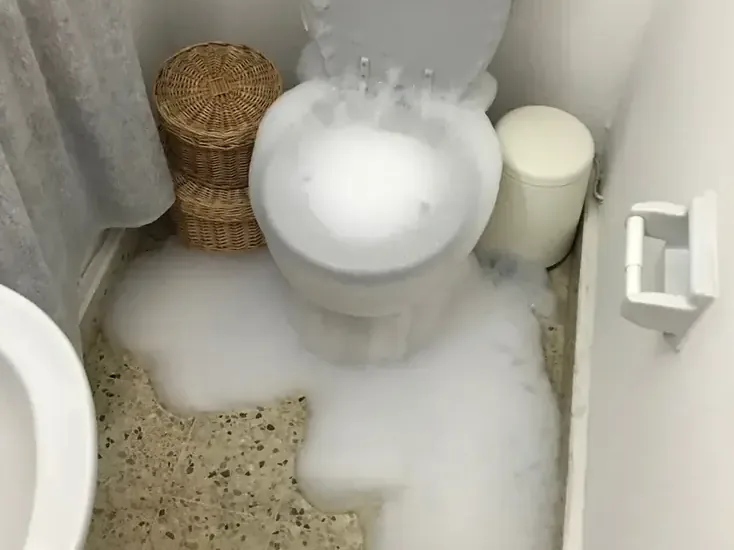
In a home near Estates Drive, a bathroom, laundry connection or supply above the room can create different patterns of wetting. A drip that follows fixture use suggests a different investigation from a continuous supply discharge. The plumbing professional evaluates that source while the restoration technician measures the ceiling, nearby wall tops and lower floor where water collected.

  • Record which fixture was operating when dripping first appeared.
  • Check the edge of the stain and areas around light fittings without touching wet electrical components.
  • Look for moisture in the room above rather than assuming the ceiling itself is the source.
  • Document sagging, crumbling or separated drywall before access work.
Typical cost ranges

What does ceiling leak water damage cost in Woodway, TX?

Ceiling leak mitigation commonly ranges from $1,000 to $3,500 for a contained cavity. Wet joists, adjoining walls or several ceiling sections can require $3,500 to $7,000. A broader upper-to-lower room loss may reach $7,000 to $12,000 before plumbing and decorative repairs.

Contained ceiling cavity

$1,000 to $3,500
  • Safety and moisture assessment
  • Controlled access to wet material
  • Focused cavity drying

Ceiling and wall junctions

$3,500 to $7,000
  • Additional insulation or drywall removal
  • Multiple material readings
  • Protection for the occupied room

Several connected rooms

$7,000 to $12,000
  • Upper and lower room extraction
  • Broader cavity access
  • Equipment zones and repair records

These planning ranges vary with water category, affected floor area, material class and the delay before drying. Access and disposal also affect the scope. The Woodway water damage cost calculator allows those conditions to be compared.

Step by step

How ceiling leak water damage is handled in Woodway

The restoration technician records the wet materials and dry comparison readings. That inspection sets the removal boundary, equipment arrangement and measurements needed before repairs begin.

  1. 1

    Assess the overhead assembly

    The technician identifies weakened finishes and electrical concerns before access. Source findings and ceiling measurements establish the work boundary and room protection needed below.

  2. 2

    Remove unstable wet sections

    Controlled removal exposes affected framing and insulation while protecting the floor and contents. The crew records the original condition before the ceiling changes.

  3. 3

    Dry joists and adjoining areas

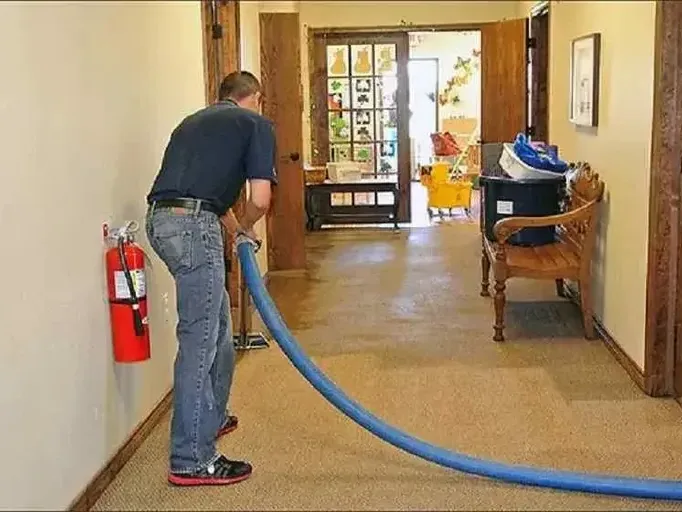
    Directed airflow reaches the exposed cavity, supported by dehumidification. Repeat checks include wall intersections and upper flooring where the water path continues.

  4. 4

    Record closure readiness

    Final comparisons document the remaining assembly. The handoff identifies needed insulation, drywall and finish work after the repaired source and drying goal are confirmed.

Controlled opening and cavity drying

Water trapped above a finish can require controlled removal to reach the affected joists and insulation. The crew protects the room below and defines the work area before disturbing damaged material. A homeowner should not stand under the bulge or puncture it with a tool. That can release water and debris unpredictably, particularly near electrical fittings.

The room layout at a property around Carleen Bright Arboretum determines where containment, extraction equipment and drying air can be placed. Moisture may extend toward the wall even after the center of the ceiling looks better. The technician checks repeated locations and adjusts access where a closed section continues holding water.

  • Remove insulation or finishes that prevent effective drying when the assessment calls for it.
  • Protect dry contents from debris and equipment traffic.
  • Check joists and wall intersections separately from the ceiling surface.
  • Leave access open until the measured drying endpoint is documented.
Rebuilding a ceiling after the loss

Near Woodway Park, overhead access and the location of the wet materials determine the ceiling repair sequence. A ceiling may contain several layers or an unexpected service route. The restoration record should describe what was found and removed, along with the repaired source, rather than assign a building assembly based on the neighborhood name.

The Ready.gov water safety precautions address electrical hazards around wet areas. The EPA WaterSense information supports identifying household leaks and avoidable water use. Safe source isolation and professional inspection take priority over attempting to patch the visible stain.

Once the cavity is dry, the reconstruction scope can address insulation, drywall, texture and paint. A final reading at the exposed framing is more useful than a promise based on how many days equipment has run. Photographs and material readings preserve the difference between drying work and the finish work that follows it.

Woodway, TX service area
Service area

Ceiling leak water damage in Woodway, TX

Restoration service covers Woodway, ZIP 76712, including Estates Drive and properties around Carleen Bright Arboretum. The assessment follows moisture through the affected building.

Nearby coverage reaches Waco, Hewitt, Robinson, Bellmead and Lacy-Lakeview.

See every Woodway neighborhood and nearby town covered

Answers

Ceiling Leak Water Damage questions in Woodway, TX

Should a bulging ceiling be punctured?

No. Water and weakened drywall can release unpredictably, and wiring may be nearby. Keep clear of the area below it. Controlled access should follow an assessment of the ceiling and electrical conditions.

Why did water appear far from the bathroom above?

Water can run along joists or other surfaces before reaching an opening. The visible drip marks one exit point. Inspection of the upper room and concealed path establishes where else moisture remains.

Can the ceiling be dried without removal?

Some intact, accessible assemblies may dry in place. Loss of strength, trapped insulation or contamination can require opening and removal. Measurements and material condition determine that choice rather than the size of the stain alone.

Does stopped dripping mean the cavity is dry?

No. The source may have stopped while insulation or framing still holds water. Repeat material readings establish progress. Closing the ceiling too early can hide retained moisture above an apparently normal surface.

Who repairs the source above the room?

The appropriate plumbing or appliance professional handles the source repair. The restoration team coordinates access and dries the materials that became wet. Those tasks should be documented separately in the scope.

What information helps a ceiling-loss call?

Identify the room above, whether a fixture was running, any sagging and wet electrical fittings. Dispatch operates 24/7. The team uses those details to plan safe inspection and the first restoration steps.

Still dealing with it?

Overhead water needs safe access and a checked source before the ceiling can be repaired.

(888) 527-9134Discuss the ceiling cavity
24/7 emergency dispatch

Get the wet ceiling assembly assessed

The restoration team traces the water path, controls damaged materials and measures drying before closure.

(888) 527-9134Arrange ceiling cavity drying
(888) 527-913424/7 water damage help