Water Damage Restoration in Robinson
A wet room needs more than a mop when water reaches flooring seams or wall cavities. Restoration starts by identifying the source, removing accessible water and measuring the materials that remain damp.
(888) 527-9134Describe the indoor water damageDescribe the source, affected rooms and any unsafe electrical conditions before entering the wet area.
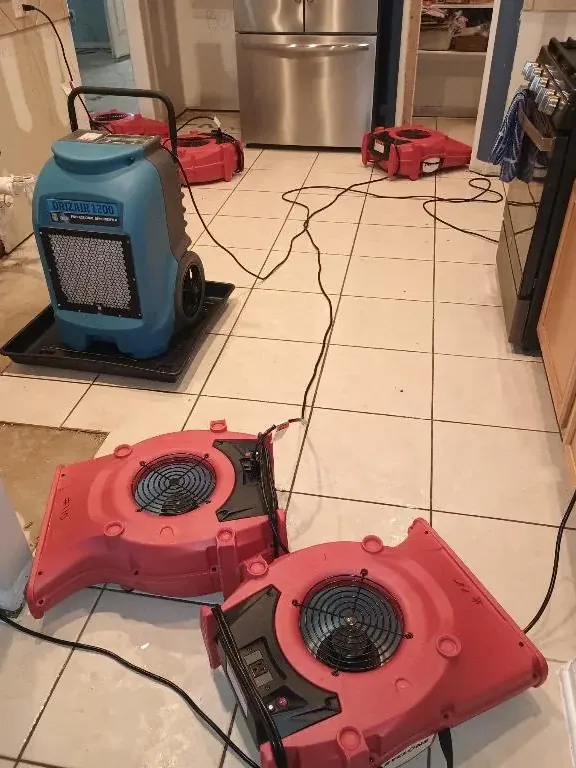
Protect occupants and preserve a clear damage record
- 1
Stay beyond unsafe areas
Keep people away from sagging ceilings, contaminated water and wet electrical equipment. A dry path matters more than reaching a valued item inside an unsafe room.
- 2
Limit the continuing release
A known supply valve may stop a plumbing leak when it is safely accessible. Leave unfamiliar equipment and any valve surrounded by electrical hazards to qualified help.
- 3
Record the first visible conditions
Photograph the room from a safe doorway, including water edges and damaged contents. Note when the problem appeared and whether any fixture was operating at discovery.
- 4
Separate dry belongings
Move clean, reachable belongings away from the affected boundary. Avoid dragging saturated rugs or furniture through untouched rooms, especially when the water came from a drain.
- 5
Explain where water has traveled
Report connected closets, adjoining flooring and rooms beneath the leak. Request water removal when standing water remains and drying assessment for damp assemblies.
Cleanup shaped around the source of water
The point where water appears may be far from its source. These services address different paths through a building, from concealed supply pipes to contaminated water returning through a drain.
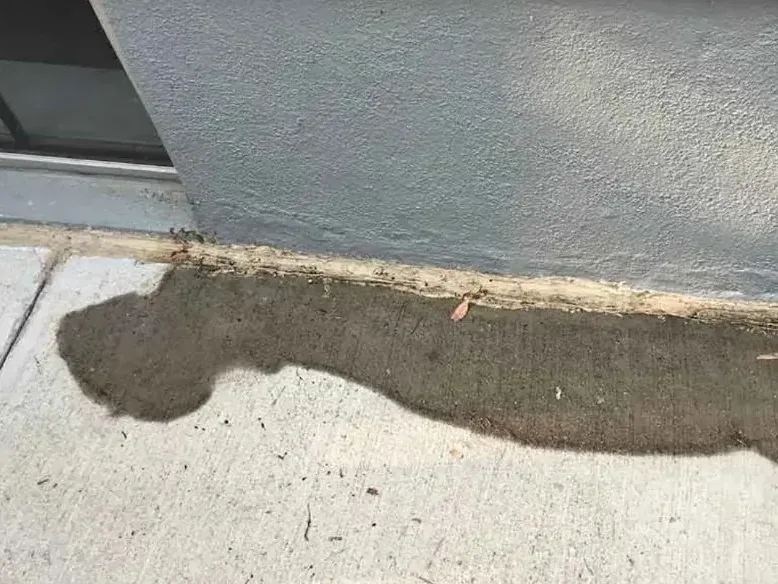
Slab Leak Water Damage
Moisture beneath flooring calls for a careful boundary check before finishes are lifted. Explore cleanup around a concealed floor leak.
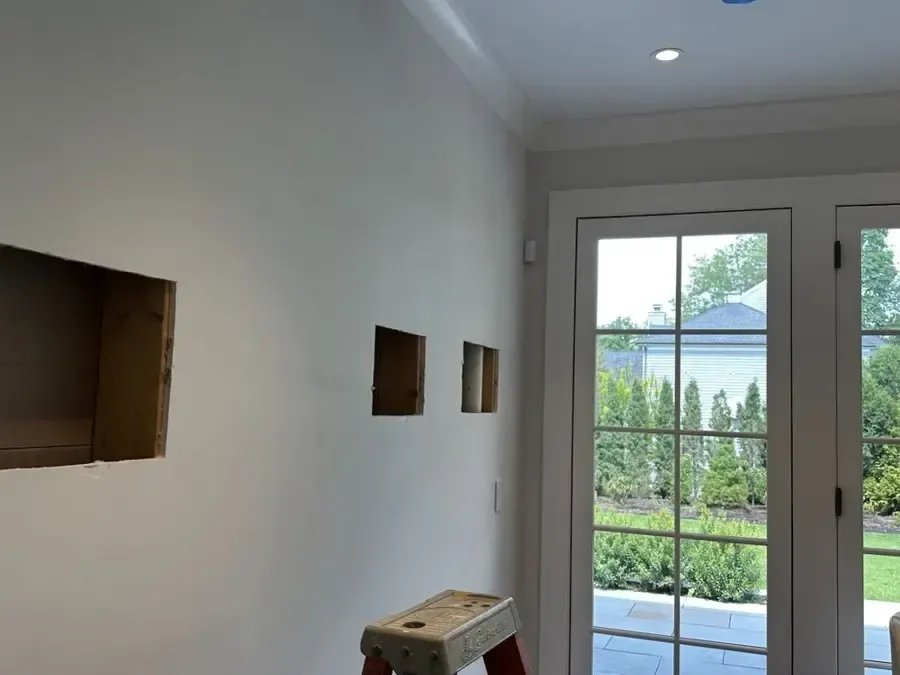
Copper Pinhole Leak Water Damage
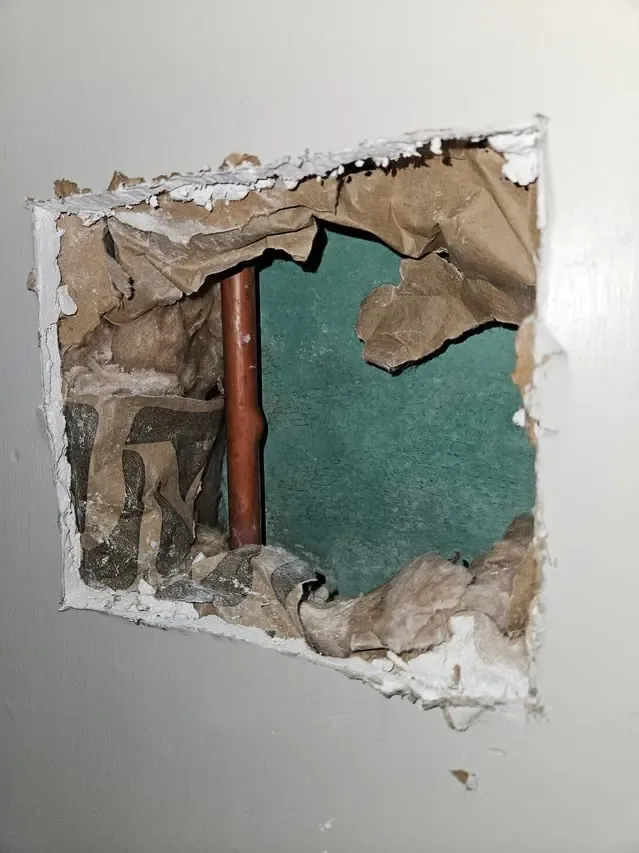
A small copper opening can leave a broad wet cavity. Follow the hidden spread through adjoining wall and ceiling materials.
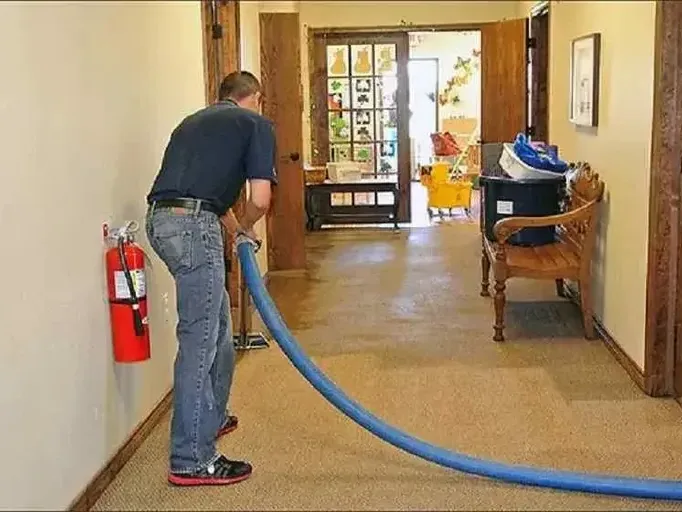
Emergency Water Extraction
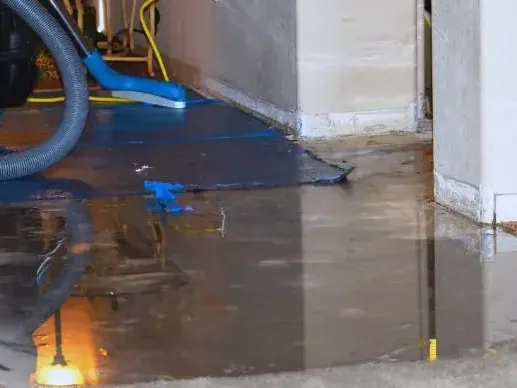
Standing water can soak furniture bases while removal is arranged. Consider equipment access, floor coverings and the transition into drying.
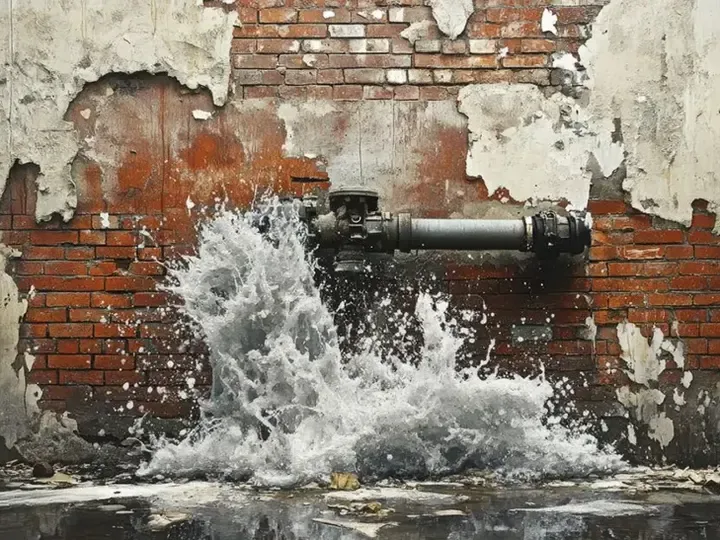
Burst Pipe Water Damage
A ruptured supply pipe can discharge into several rooms. Start with isolation, then map the water beyond the obvious puddle.
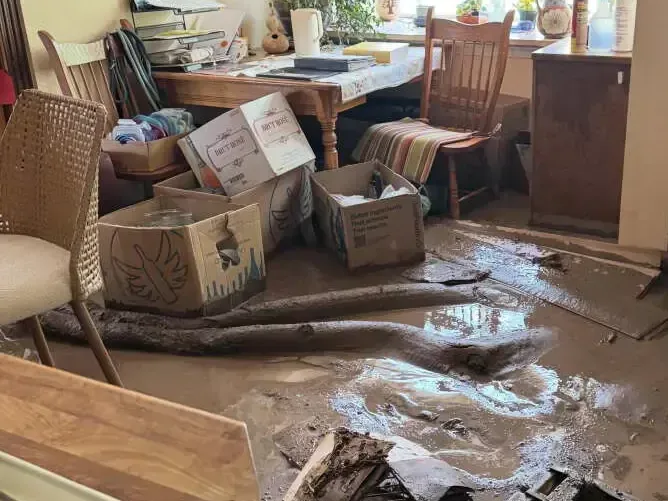
Storm Water Damage
Outdoor water brings a different cleanup problem indoors. Plan removal around entry points, deposited dirt and materials that absorbed the flow.
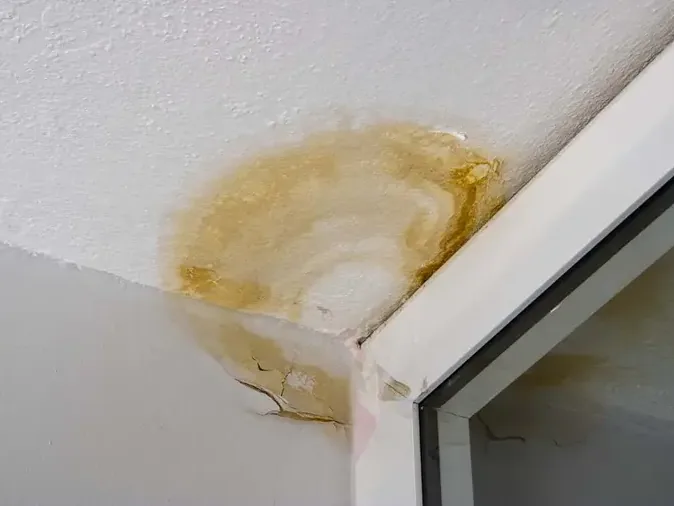
Roof Leak Water Damage
An attic drip may travel along framing before reaching a ceiling. Trace the route before closing wet overhead spaces.
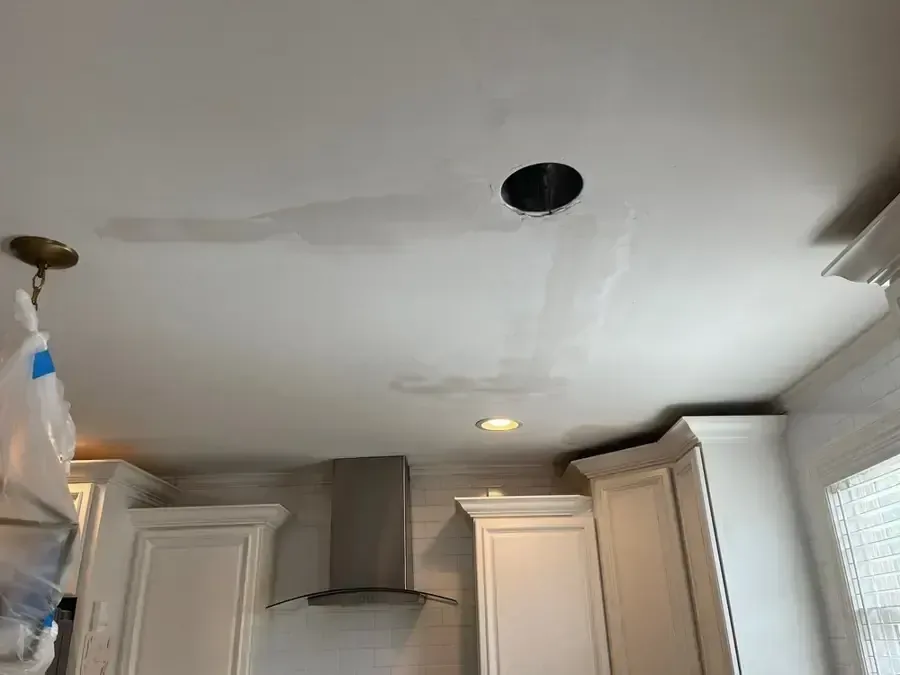
Ceiling Leak Water Damage
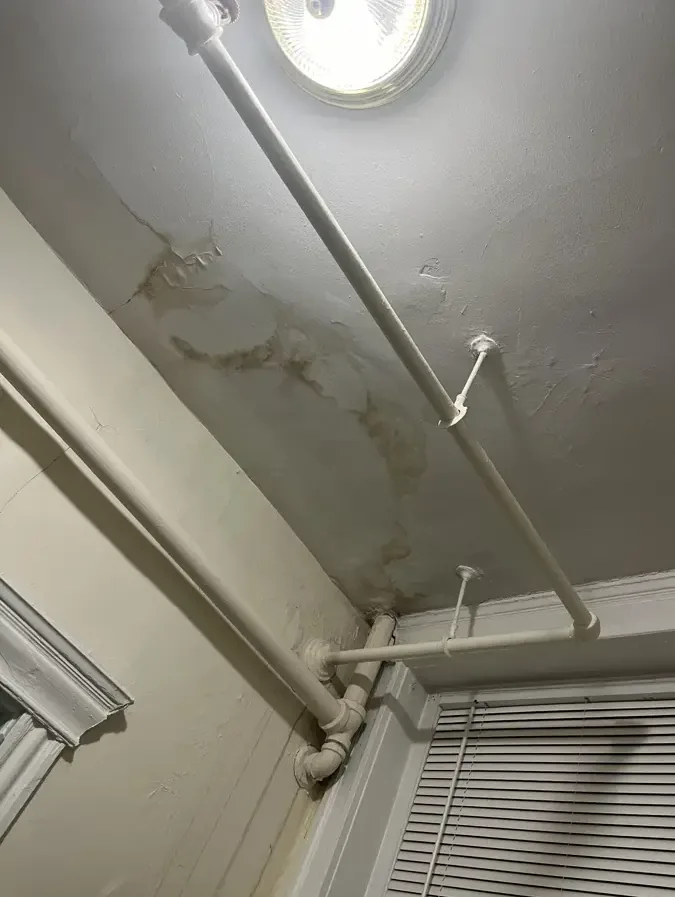
Stains and sagging need separate attention. Consider overhead safety, the source above the room and moisture at nearby wall junctions.
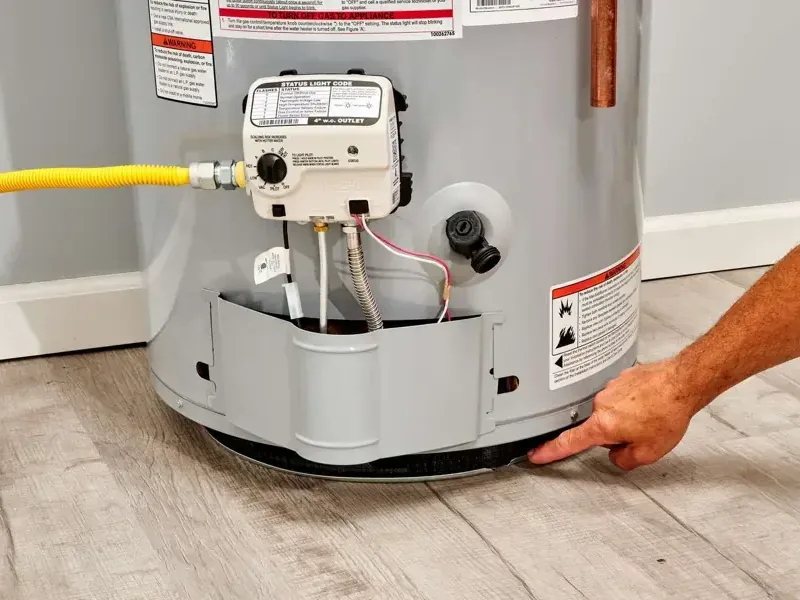
Water Heater Leak Cleanup
A leaking tank can wet the floor under its platform. Check adjacent walls and belongings after the equipment is made safe.
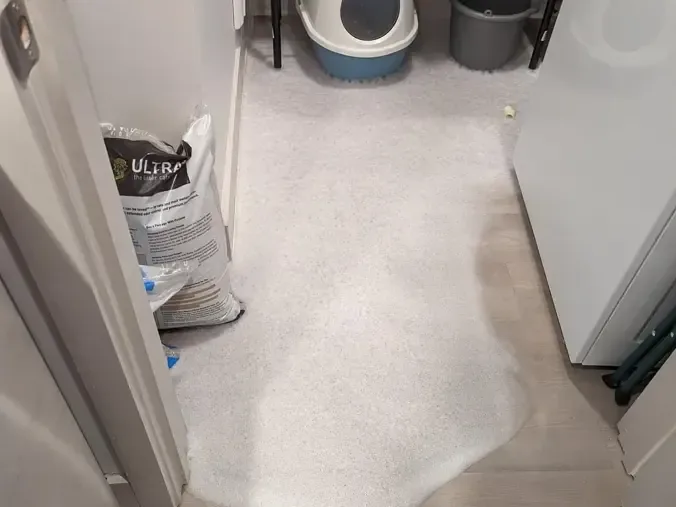
Appliance Leak Water Damage
Washer and dishwasher leaks can disappear beneath cabinets. Examine hidden floor edges as well as the water visible around the appliance.
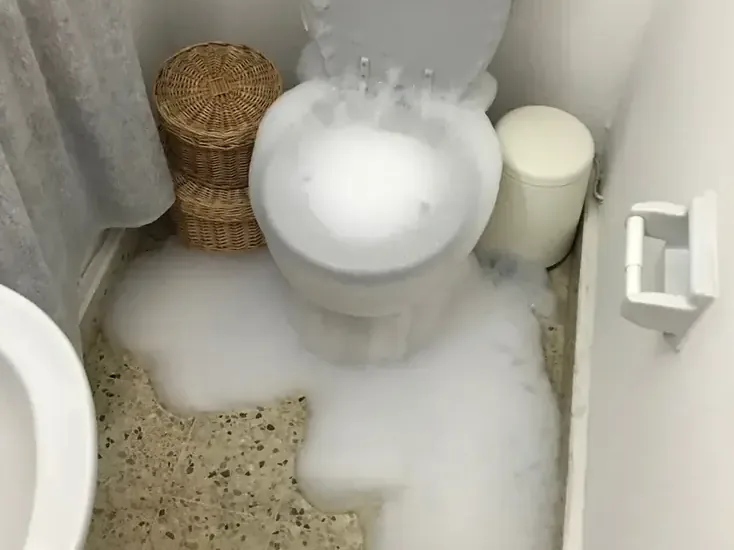
Bathroom Leak Water Damage
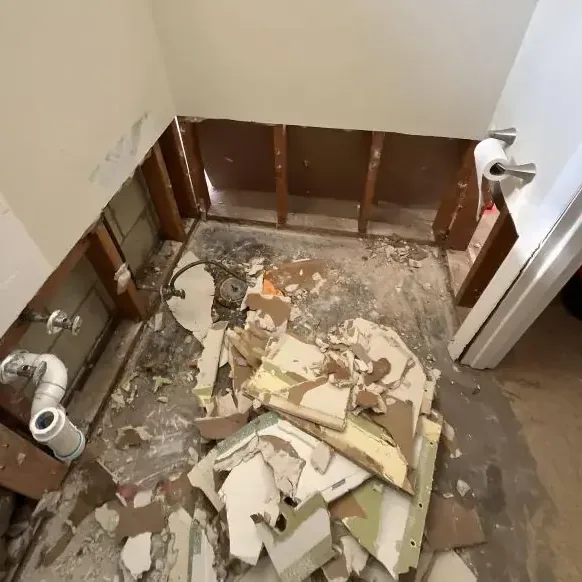
Shower, tub and toilet leaks take different routes. Identify the affected assembly before replacing grout, flooring or the ceiling below.
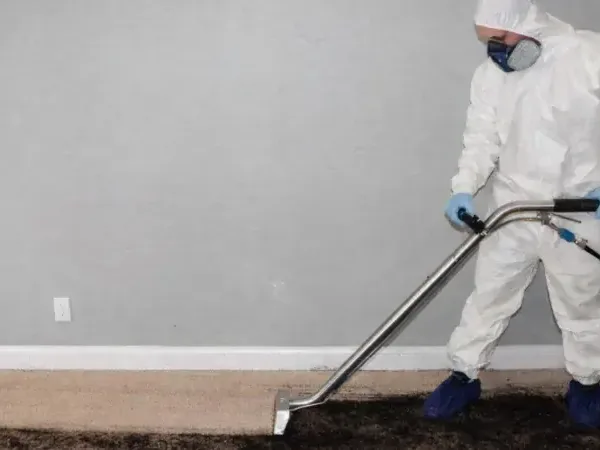
Sewage Backup Cleanup
Drain backups require controlled access and careful material decisions. Separate contaminated belongings from clean rooms before cleanup begins.
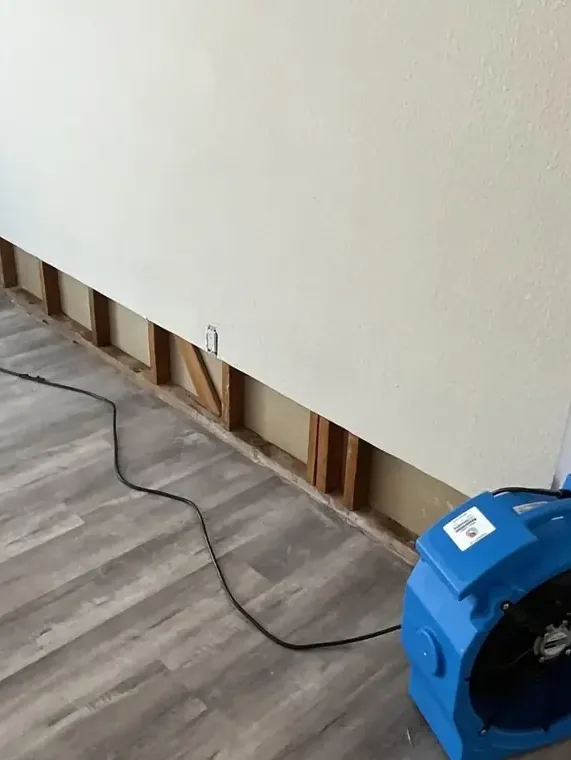
Condo and Townhome Water Damage
Water crossing between adjoining units needs coordinated access. Document each affected space and communicate the drying scope to the property contact.
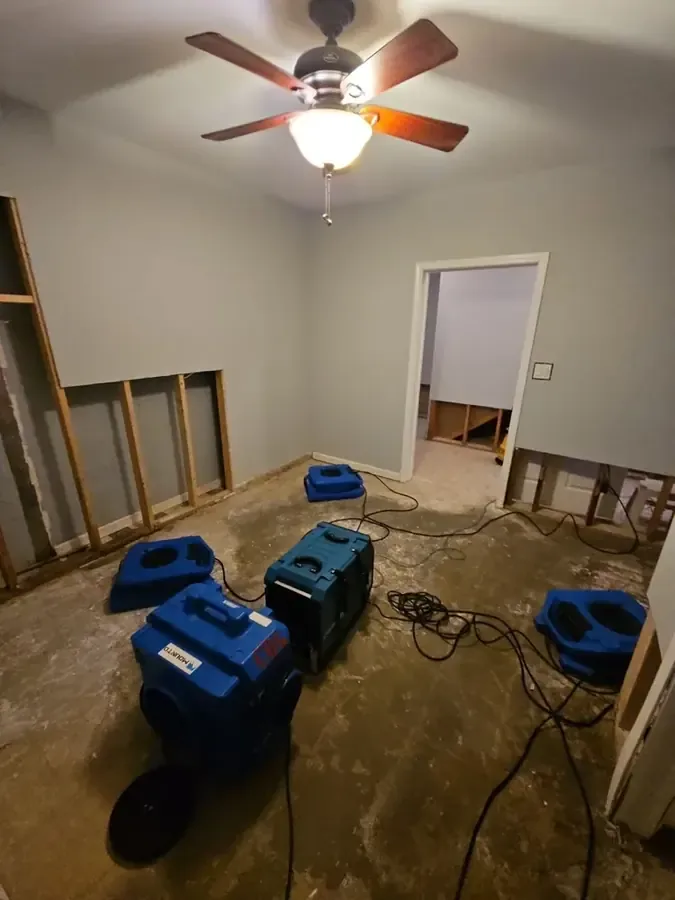
Structural Drying
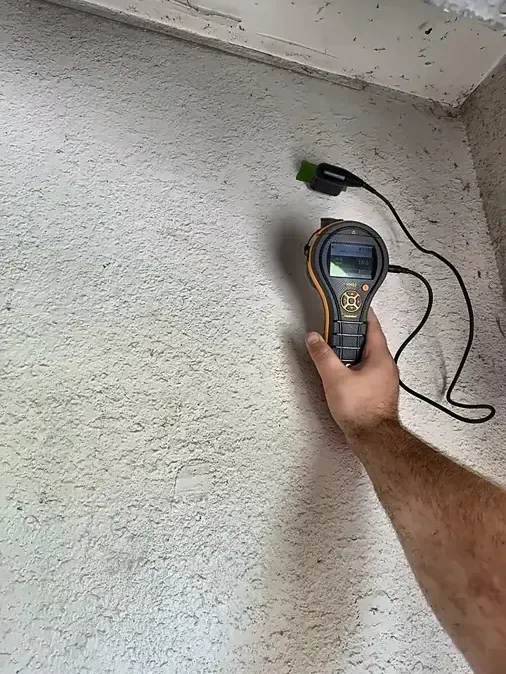
A dry surface can conceal damp framing. Track material readings and equipment adjustments until the retained assembly reaches its drying goal.
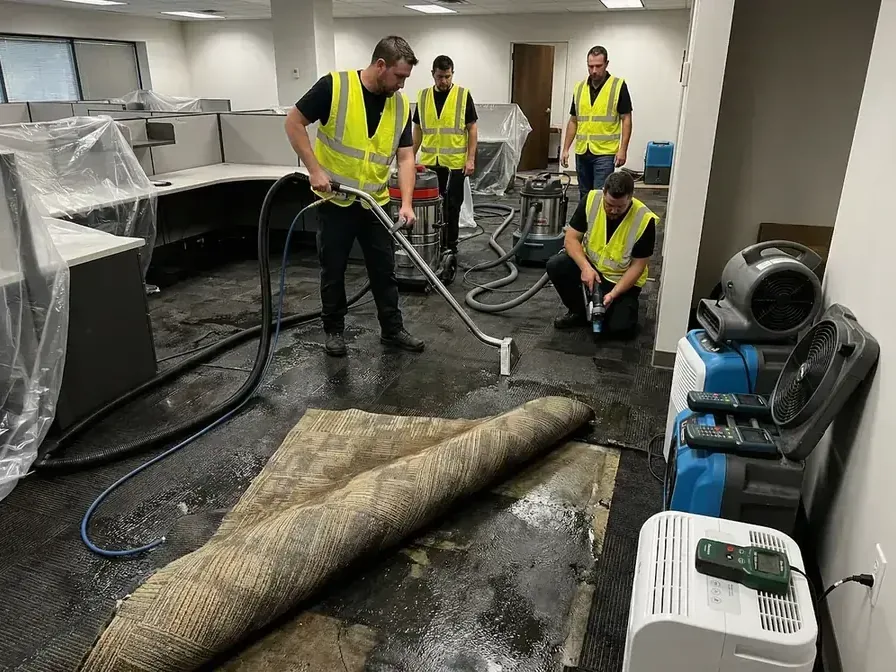
Commercial Water Damage
Business recovery needs a workable access plan. Separate wet work areas from occupants and document the materials affected by the interruption.
What affects restoration costs in Robinson?
A contained wet floor differs from water trapped beneath cabinets or inside several walls. The planning ranges below reflect increasing cleanup complexity. An assessment should explain the affected materials, removal decisions, equipment needs and work included before the owner authorizes the proposed scope.
Contained wet area
$1,000 to $3,000- Accessible flooring with limited material removal
- Focused moisture checks at room edges
- Drying equipment for the affected space
Connected rooms affected
$3,000 to $7,500- Water spread through adjoining room openings
- Additional flooring and wall cavity assessment
- Several material types requiring drying attention
Extensive hidden spread
$7,500 to $15,000+- Complex access to concealed wet assemblies
- Broader removal and contaminated material handling
- Detailed records for a larger recovery
These amounts support early planning, while the inspected scope determines the actual proposal. Plumbing correction, replacement finishes and other trades should be identified separately when they fall outside the cleanup work.
Different sources call for different handling
Supply water
A plumbing release may spread beneath finishes. Its route and contact with materials determine the cleanup scope after the valve closes.
Follow supply releasesAppliance discharge
Water from a machine may include detergent or residue. Inspection considers the appliance cycle and spaces behind cabinetry before drying.
Assess machine leaksDrain contamination
A sewage return requires isolation and removal decisions suited to contaminated materials. Keep household traffic outside the affected boundary until cleanup progresses.
Address drain backupsFollow the water through each affected assembly
The visible puddle establishes a starting point. Restoration also checks the materials beneath it, the nearby cavities and the conditions needed for drying. A written scope should connect those findings to specific actions so the owner can follow the work.
- 1
Define the boundary
Inspection follows moisture beyond the visible stain and records which floor, wall or ceiling materials need treatment before equipment placement begins.
- 2
Remove accessible water
Extraction addresses pooling and saturated surfaces while the condition of porous finishes determines what can remain for a controlled drying effort.
- 3
Manage the drying environment
Air movement and moisture removal work together. Equipment placement changes when readings reveal a stubborn pocket or a poorly reached cavity.
- 4
Prepare the repair handoff
Final observations document retained materials and remaining replacement work, giving the next trade a clear picture before finishes conceal the assembly again.
A clear scope makes decisions easier
Homeowners need to know what happens to the wet building, not simply how many machines arrive. Useful explanations connect removal, cleaning and drying to the observed damage. They also distinguish the source repair from restoration and show which decisions still require access to concealed areas.
An identified water path
Notes should explain how water moved from its source to the affected materials, including any rooms where moisture was found beyond the original complaint.
Reasons for material removal
A removal recommendation should identify damage, contamination or access needs. Sound finishes deserve a specific assessment before an owner approves opening an entire surface.
Understandable progress records
Moisture observations should show whether the assembly is improving. A change in equipment or access should have a stated purpose tied to that progress.
A practical repair boundary
The handoff should identify remaining openings and replacement work so the next contractor can plan repairs around the actual cleaned and dried building condition.
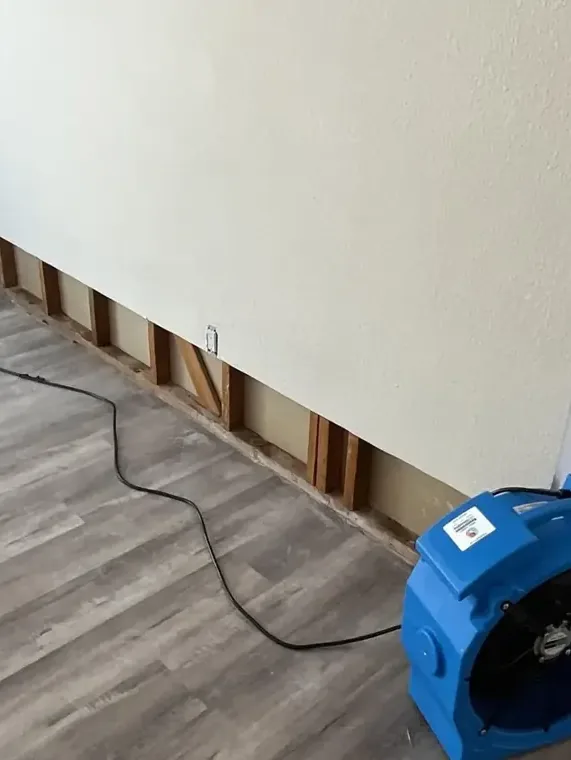
Organize the claim conversation
Clear photographs and a written sequence help explain the loss when discussing policy coverage with the insurer.
- Photographs from discovery before accessible belongings are moved
- Notes identifying the apparent source and discovery time
- An inventory of visibly affected furniture and contents
- Invoices separating source repair from cleanup activities
- Drying records and the proposed replacement material scope
Paying directly for cleanup
An owner paying directly still benefits from a written scope. Ask which rooms, assemblies and disposal tasks the price includes, how equipment use is recorded and what conditions could change the work. A clear authorization helps avoid confusion as concealed areas become accessible.
When the source repair and restoration involve different contractors, retain both sets of records. Confirm who handles plumbing, who monitors drying and who closes the opened finishes. The sequence should allow moisture checks before the replacement material hides the affected cavity.
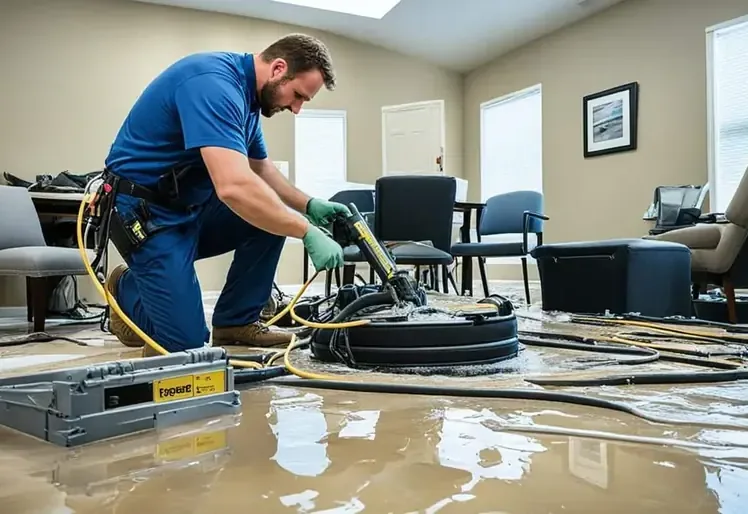
Water removal and drying across affected living spaces
Robinson property access and service planning
Local reference points
ZIP area
Past freezes and everyday building leaks
The February 2021 freeze damaged customer water pipes locally. Everyday plumbing and equipment leaks also require attention to the actual wet building. Useful preparation includes knowing accessible shutoffs and keeping the route to utility equipment clear.
- Concealed supply leaks Moisture can spread through cavities before a painted surface shows a visible change.
- Roof entry Overhead water may follow framing and appear away from the opening above.
- Drain returns Contaminated water needs controlled access rather than ordinary household mopping or fan use.
- Equipment failures A tank or hose discharge can soak flooring beneath fixed furnishings.
- Outdoor flow Water crossing a threshold brings dirt and additional material handling concerns indoors.
- 1955:
The city incorporated, establishing a municipal history that includes residential growth and the development of public water and wastewater services.
- 2020:
The census counted 4,406 households, reflecting many separate properties with their own plumbing arrangements and water damage cleanup needs.
- February 2021:
Prolonged freezing weather caused customer water service pipes to break or leak.
Answers before restoration starts
What information helps during the first conversation?
Describe the apparent source, whether water continues to enter and which rooms are affected. Mention sagging ceilings, wet electrical fixtures or drain contamination before discussing belongings. Photographs from a safe position can help show the extent, while an on site inspection determines concealed moisture.
Does a small puddle mean a small loss?
The visible surface can understate the spread. Water may move beneath resilient flooring, under a cabinet base or into the adjoining wall before a large puddle forms. Inspection compares affected materials with dry reference areas and checks likely pathways around the original release.
Can a household fan finish the drying?
Surface airflow alone may leave moisture inside a layered assembly. Drying equipment must suit the materials and remove moisture from the surrounding air. Measurements help determine whether retained flooring, framing or wall components are improving rather than relying on touch alone.
Who handles a continuing plumbing problem?
The leaking supply connection or fixture needs repair by the appropriate plumbing professional. Restoration addresses the water already released and its effects on the building. Coordinating the two tasks prevents repeated wetting and clarifies which contractor is responsible for each part of recovery.
Should a bulging ceiling be punctured?
Keep the space below it clear and avoid disturbing the swollen area. Trapped water and weakened ceiling material can fall unexpectedly, and electrical components may be nearby. A controlled assessment should establish safe access and the source above before any opening is made.
What makes sewage cleanup different?
Drain water can contaminate porous finishes and contents, so separating the affected area is an early priority. Material removal, cleaning and disposal decisions depend on the actual contact. Dry rooms should remain protected from footwear, belongings and equipment moving out of the dirty area.
Are repairs ready once the surface looks dry?
A clean appearance is only part of the handoff. Retained material needs moisture checks suited to the assembly before it is covered again. The repair plan should also address the original entry point so replacement drywall or flooring is protected from another release.
How does local stormwater planning affect an indoor loss?
Robinson has a municipal stormwater permit, while an indoor cleanup still needs a property inspection. The assessment follows outdoor entry points and checks affected rooms for deposited dirt and absorbed water. Door seals, exterior drainage and building openings may need separate repair attention.
What records should remain after the job?
Keep the written cleanup scope, photographs, removal notes and drying observations with source repair receipts. An inventory of damaged contents also helps organize replacement decisions. These records support conversations with the insurer or repair contractor when the immediate emergency has passed.
Explain the room before entering it
A short description of the source and safety concerns helps organize the next assessment while occupants remain outside unsafe spaces.
Start with the source and the wet materials
Robinson water damage recovery begins with a clear account of the leak. Arrange an assessment that connects safe water removal, hidden moisture checks and the next repair decisions.
(888) 527-9134Arrange a damage assessment- Woodway, TX · McLennan County
- (888) 527-9134, open 24/7
- Dried to the IICRC S500 standard
- Find us on Google