Remove the liquid load first

Emergency Water Extraction in Woodway, TX

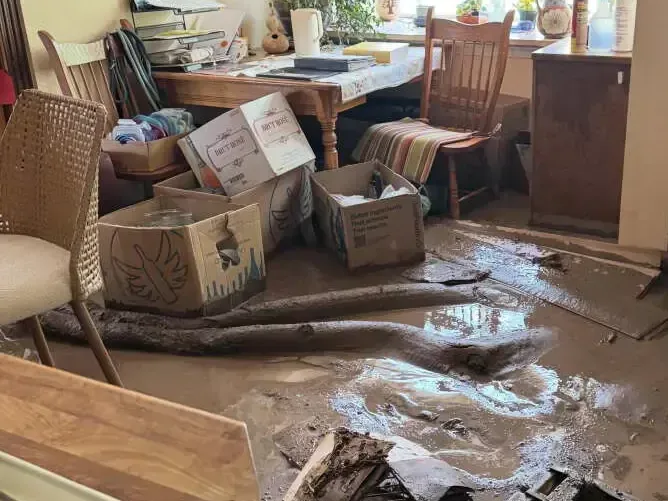
Standing water can cross a room faster than towels can contain it. Extraction equipment removes the accessible liquid, while moisture checks identify wet padding, wall bases and adjoining spaces that need controlled drying.

(888) 527-9134Standing water needs extraction
24/7 extraction dispatch Carpet and hard-floor removal Moisture checks after pickup
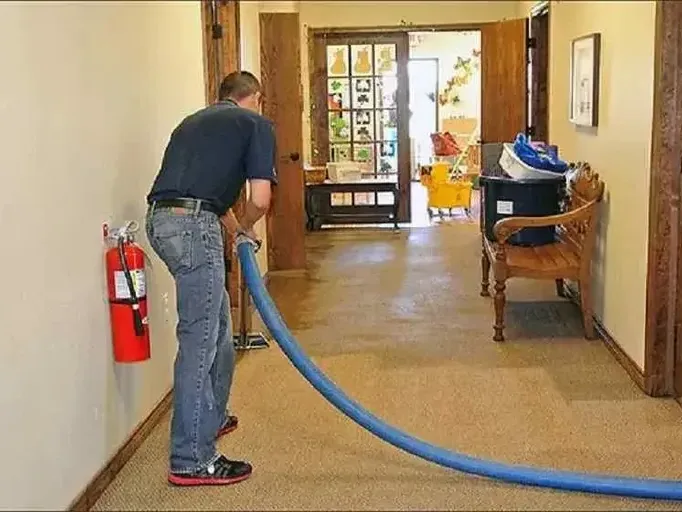
Technician guiding an extraction hose across carpeting in a hallway
Right now

First steps for emergency water extraction in Woodway

  1. 1

    Keep people out of the water

    Do not step into a flooded room with wet electrical equipment or an unknown source. Keep children and pets away until the hazards have been assessed.

  2. 2

    Stop further entry if safe

    An accessible plumbing shutoff can reduce continuing discharge. Do not approach outdoor flowing water or climb into an unsafe area to find the entry point.

  3. 3

    Save the initial view

    Photograph the wet rooms from a dry location. Record whether the water is rising and which floor coverings or cabinets appear affected before belongings are moved.

  4. 4

    Describe access and water depth

    The response team operates 24/7. Information about stairs, occupied rooms, the source and accessible entrances helps determine how extraction equipment can reach the loss.

Emergency water extraction in Woodway begins with the source and the safe route into the building. A fresh supply leak, laundry discharge and water entering over the ground do not receive identical treatment. Once hazards and contamination are assessed, the extraction crew selects equipment for the amount of water, floor finish and access to the affected rooms.

Removing water from carpet and hard surfaces

On Estates Drive, a connected hallway can provide the route for hoses and also carry water into rooms that initially look dry. The technician checks thresholds, closets and wall edges before settling the extraction boundary. Carpet may hold liquid in both the face fiber and the pad; material checks after extraction reveal the water remaining in the assembly.

  • Remove bulk water using equipment appropriate to the depth and access.
  • Check carpet backing and padding for retained water and contamination.
  • Protect hose routes so occupants do not trip or track dirty water into dry rooms.
  • Measure adjacent walls and cabinets after the visible puddle is removed.
Typical cost ranges

What does emergency water extraction cost in Woodway, TX?

Emergency water extraction commonly costs $800 to $2,500 for a contained room. Several flooded rooms with wet padding and wall edges may need $2,500 to $5,500. Extensive water or contaminated materials can bring extraction and initial mitigation to $5,500 to $10,000.

Accessible room

$800 to $2,500
  • Bulk water pickup
  • Carpet or hard-floor extraction
  • Initial moisture measurements

Connected wet spaces

$2,500 to $5,500
  • Additional hose and access setup
  • Padding or damaged finish removal
  • Broader drying equipment needs

Extensive or dirty water

$5,500 to $10,000
  • Controlled contaminated-water handling
  • More debris and material disposal
  • Detailed equipment and room records

These planning ranges vary with water category, affected floor area, material class and the delay before drying. Access and disposal also affect the scope. The Woodway water damage cost calculator allows those conditions to be compared.

Step by step

How emergency water extraction is handled in Woodway

The restoration technician records the wet materials and dry comparison readings. That inspection sets the removal boundary, equipment arrangement and measurements needed before repairs begin.

  1. 1

    Assess before pumping

    The technician checks electrical safety, source activity and contamination. The wet-room map establishes which surfaces and adjoining areas need extraction and follow-up inspection.

  2. 2

    Recover accessible liquid

    Extraction passes target the floor system and water depth. The crew checks the result rather than treating one pass over carpet as complete water removal.

  3. 3

    Expose remaining wet layers

    Material checks reveal water left in padding, wall edges or closed assemblies. The team documents removal decisions and creates access for the planned drying setup.

  4. 4

    Start measured drying

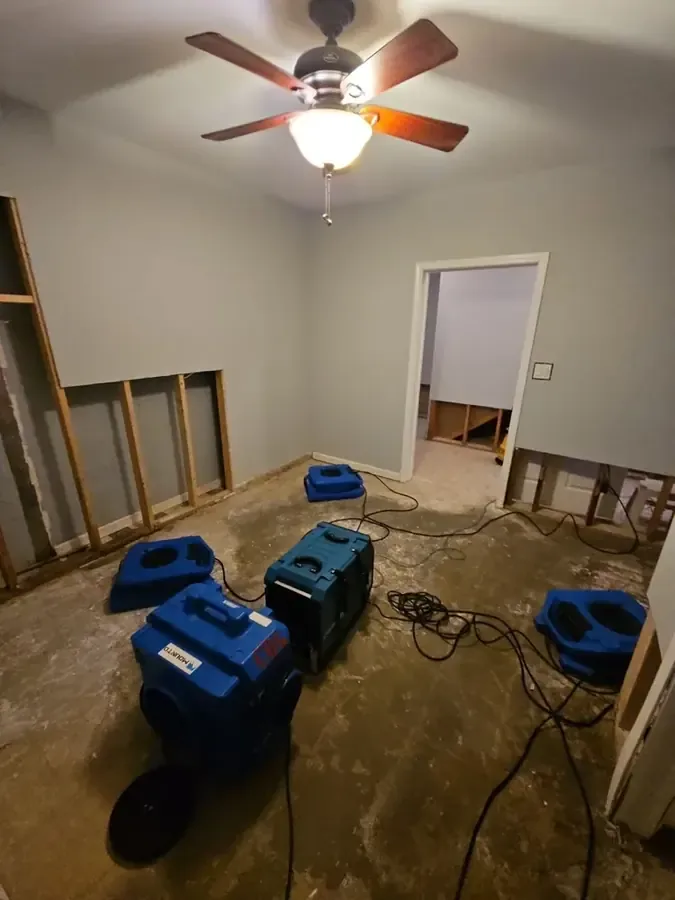
    Air movers and dehumidifiers address moisture held in salvageable materials. Repeat readings guide changes and establish the handoff from extraction to a verified dry-out.

Why extraction must lead into drying

A floor can look clean immediately after water pickup while its lower layers remain saturated. Extraction reduces the load, but dehumidification and directed airflow address evaporation from salvageable materials. The drying team records baseline readings so later checks show actual progress rather than a change in appearance. Dense materials and closed cavities may need a different access plan from an open carpeted room.

Near Carleen Bright Arboretum, restoration access follows the building layout, including doors, steps and available safe electrical circuits. The team places equipment without blocking essential exits. Furniture handling depends on stability, contamination and whether the material can remain on the wet surface. Some items need protective blocks or relocation before the drying arrangement is complete.

  • Keep doors and windows in the positions specified for the drying chamber.
  • Avoid switching equipment off because the surface no longer feels wet.
  • Report new seepage or a growing wet boundary during the dry-out.
Documenting the water removal scope

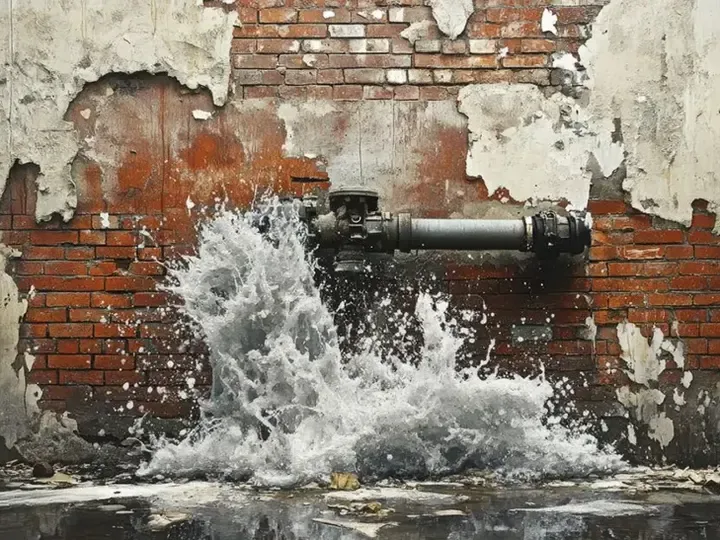
At a property near Woodway Park, the inspected source determines water handling and cleanup decisions. The file should identify the rooms, observed water category and material condition. Photos before extraction preserve water depth and the original path; later photos show removal and equipment placement. The insurer may request those records alongside the source-repair invoice.

The Ready.gov flood precautions address electrical and contaminated-water hazards. The EPA WaterSense program provides household leak information. A wet electrical panel or unknown outside water is a reason to keep occupants clear, not to start a household vacuum.

Water pickup is only complete when the accessible liquid has been removed and the remaining wet materials have a defined next step. Some require drying, others removal. A written scope prevents an apparently clean room from being mistaken for a fully restored room.

Woodway, TX service area
Service area

Emergency water extraction in Woodway, TX

Restoration service covers Woodway, ZIP 76712, including Estates Drive and properties around Carleen Bright Arboretum. The assessment follows moisture through the affected building.

Nearby coverage reaches Waco, Hewitt, Robinson, Bellmead and Lacy-Lakeview.

See every Woodway neighborhood and nearby town covered

Answers

Emergency Water Extraction questions in Woodway, TX

Is extraction the same as restoration?

Extraction removes accessible liquid. Restoration also includes moisture inspection, necessary removal, cleaning, drying and documentation. A room may need several of those steps after the visible water has been recovered.

Can a household vacuum remove the water?

A household vacuum is not appropriate for wet cleanup. Electrical exposure and contamination can make improvised equipment dangerous. Professional extraction equipment is selected for the source, depth and materials involved.

Will wet carpet always be discarded?

Water category, exposure and physical condition determine that decision. Carpet and pad must be assessed separately. Contaminated porous material or damaged backing may require removal even if surface water can be extracted.

Why check adjoining rooms after pickup?

Water can travel beneath flooring or through wall bases before it becomes visible. Moisture checks at thresholds and shared walls reveal that spread. The inspection boundary should follow measurements, not only the original puddle.

Can occupants stay during extraction?

That depends on safe access, contamination, equipment routes and the affected rooms. Hoses and cords create trip hazards. The technician explains which areas must remain clear and whether occupied areas can be separated safely.

What happens if water returns?

New water may indicate an unresolved source or continuing outside entry. Report it promptly so the source and equipment plan can be reassessed. Emergency dispatch is available 24/7 for an active loss.

Still dealing with it?

Visible water removal is the first stage. The remaining wet layers need a clear drying or removal decision.

(888) 527-9134Start water pickup planning
24/7 emergency dispatch

Remove the puddle and measure what remains

The extraction team checks the source, recovers accessible water and prepares the affected materials for controlled drying.

(888) 527-9134Arrange emergency extraction
(888) 527-913424/7 water damage help