Water Damage Restoration in Hewitt
A wet room needs more than a surface cleanup. Restoration in Hewitt starts with locating the water, separating unsafe areas and checking the materials that keep moisture after the puddles disappear.
(888) 527-9134Describe where water appearedThe cleanup plan follows the water through flooring, wall cavities and adjoining indoor spaces.
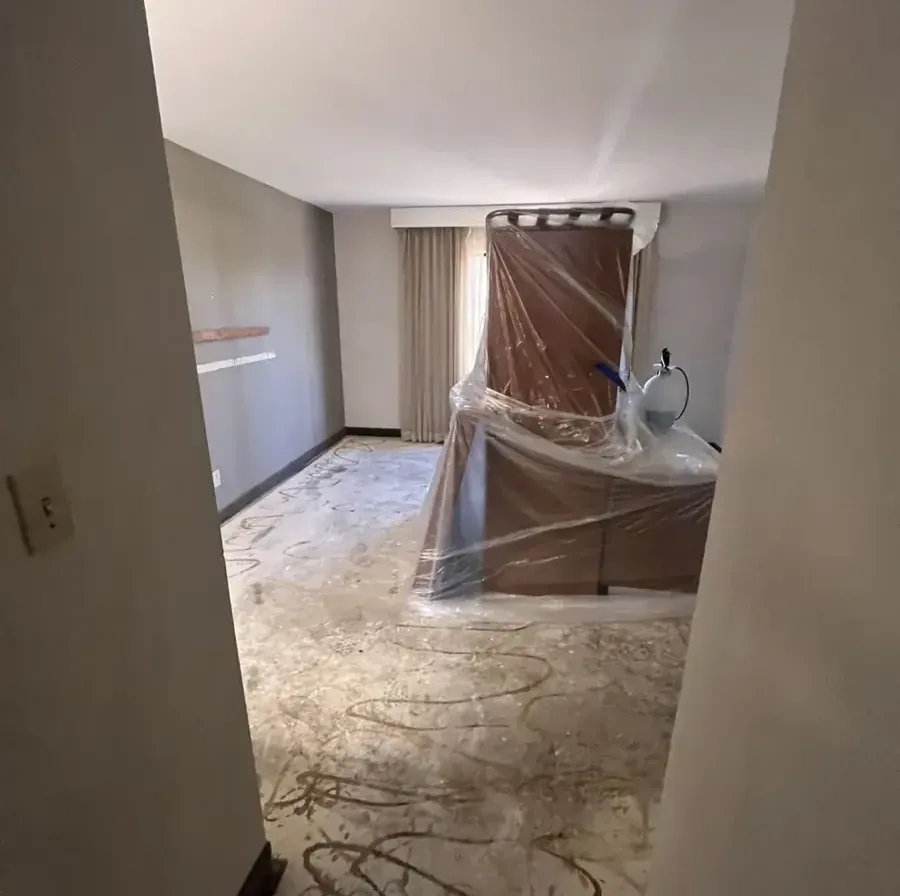
Make the next decision from a safe place
- 1
Keep the room clear
People and pets should remain outside standing water, beneath sagging ceilings and away from wet electrical equipment until the hazards have been assessed.
- 2
Control an accessible supply
An accessible shutoff may stop a plumbing discharge when reaching it is safe. Electrical equipment or submerged valves require qualified assistance before anyone approaches.
- 3
Record the first signs
Photographs from dry ground should show where water appeared, which surfaces changed and what belongings were affected. A short timeline helps explain the sequence.
- 4
Separate affected belongings
Dry possessions can move to a protected space when access is safe. Items touched by outside water or sewage should stay apart from clean contents.
- 5
Describe the hidden concerns
A caller should mention swelling trim, ceiling drips, wet carpet edges and rooms beside the visible spill so the initial assessment includes possible concealed spread.
A different plan for each water source
The source determines what happens next. A leaking supply pipe, water entering during rain and a backed up toilet require different decisions about extraction, cleaning, material removal and drying.
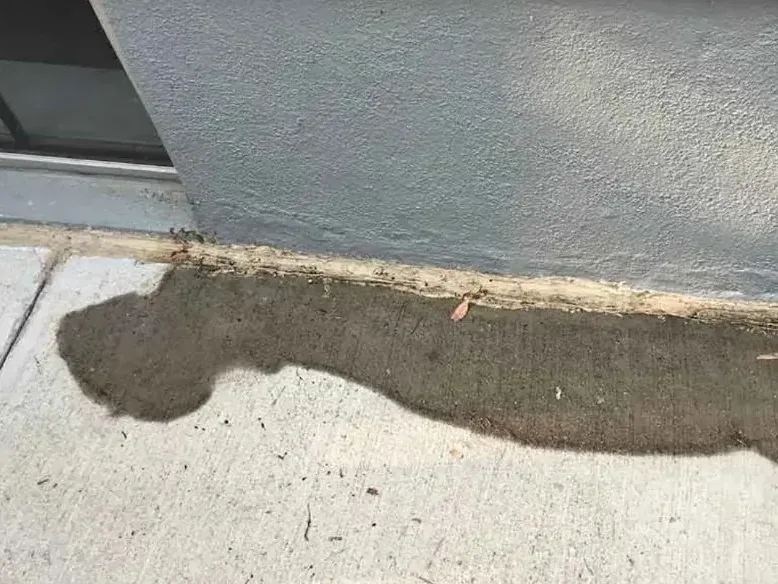
Slab Leak Water Damage
Moisture appearing through a floor calls for pipe assessment and a closer look beneath finishes before replacement materials cover the slab.
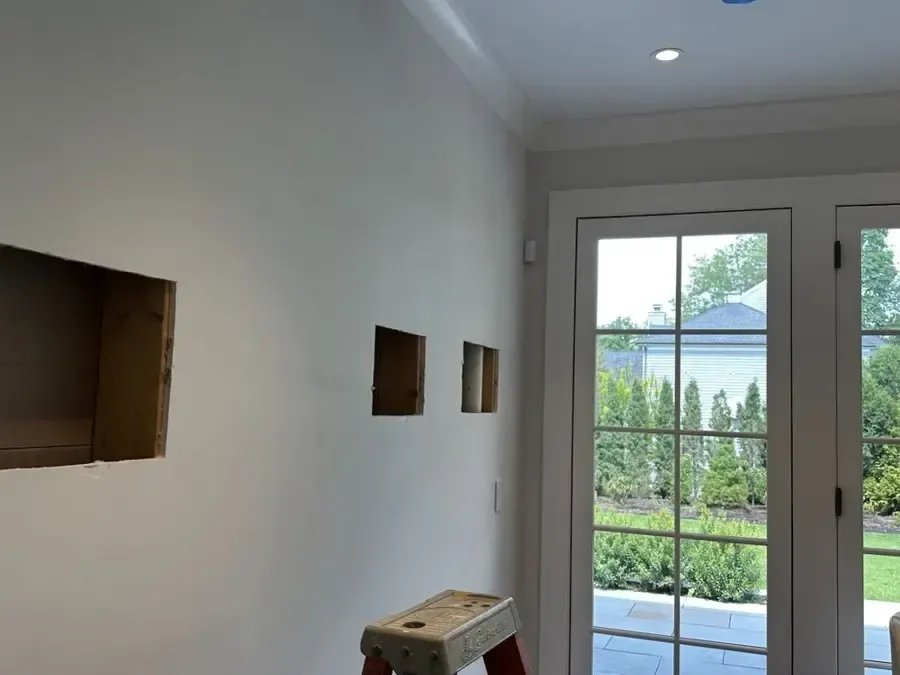
Copper Pinhole Leak Water Damage
A tiny pipe opening can leave a broad wet cavity. Trace the spray, inspect insulation and map the adjoining floor edge.
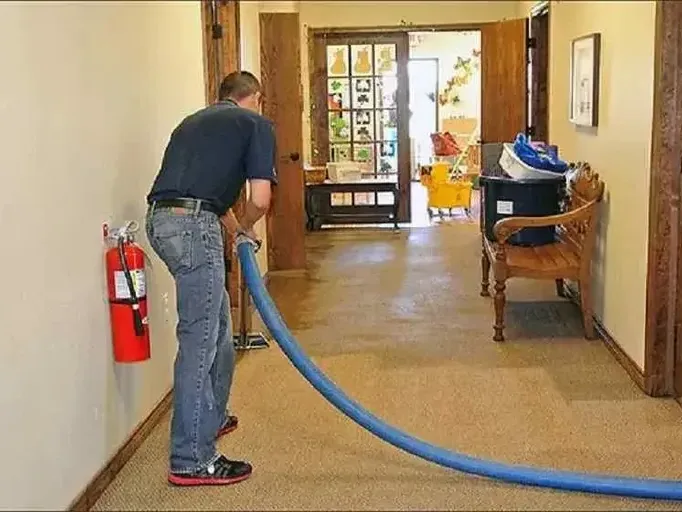
Emergency Water Extraction
Standing water limits access and keeps soaking absorbent materials. Removal equipment reaches open areas before attention shifts to edges and recesses.
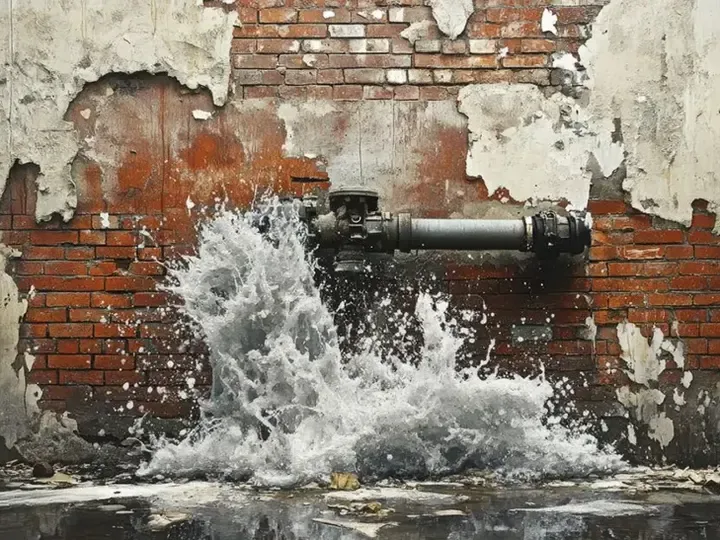
Burst Pipe Water Damage
A sudden discharge may enter several rooms at once. Isolate the failed supply and record the path across walls and floors.
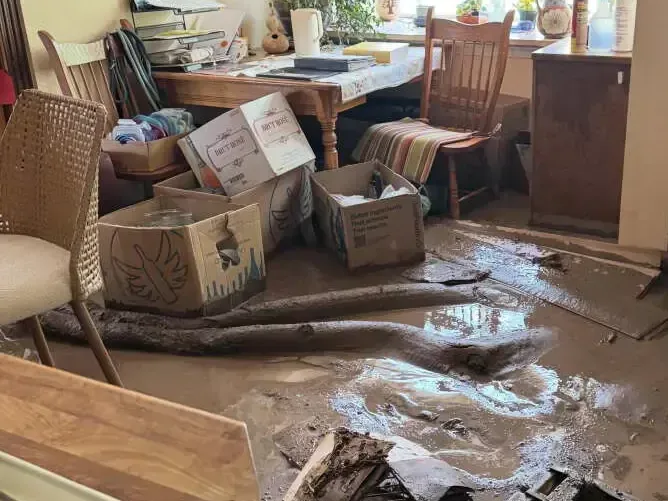
Storm Water Damage
Runoff brings a different cleaning problem indoors. Separate affected belongings, identify the entry point and assess surfaces touched by outside water.
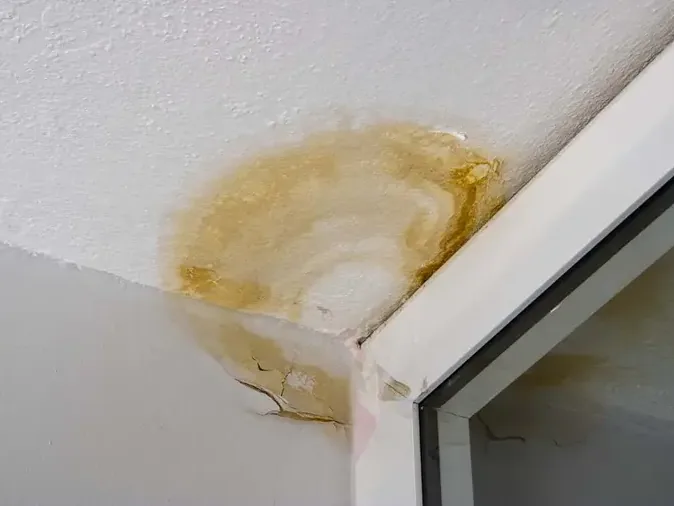
Roof Leak Water Damage
Roof entry can soak attic materials before ceiling spots appear. Coordinate weather protection with careful checks of insulation and overhead framing.
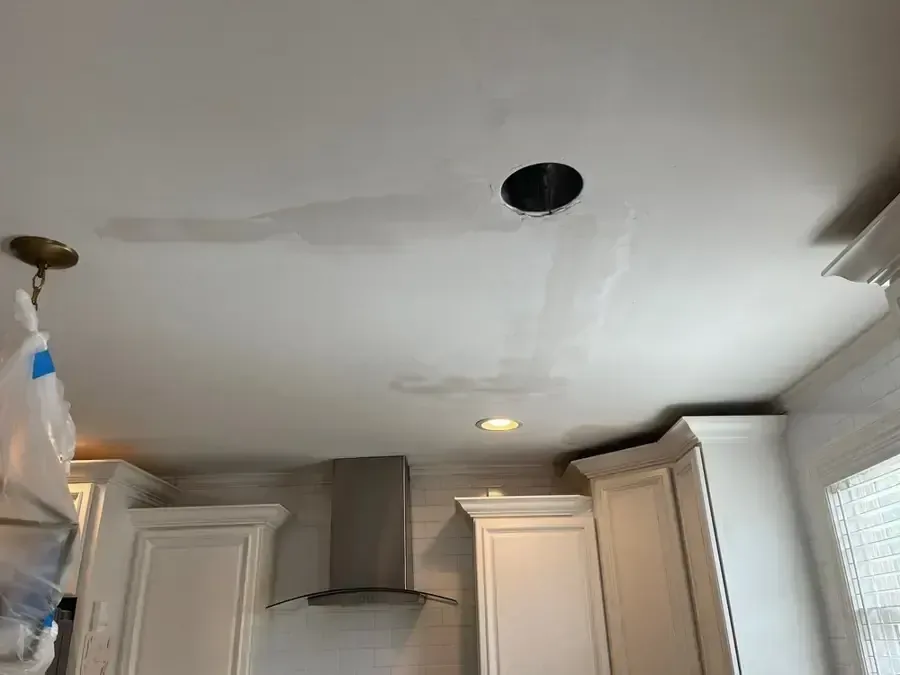
Ceiling Leak Water Damage
A growing overhead stain deserves space beneath it. Source tracing and controlled access reveal whether ceiling boards can remain in place.
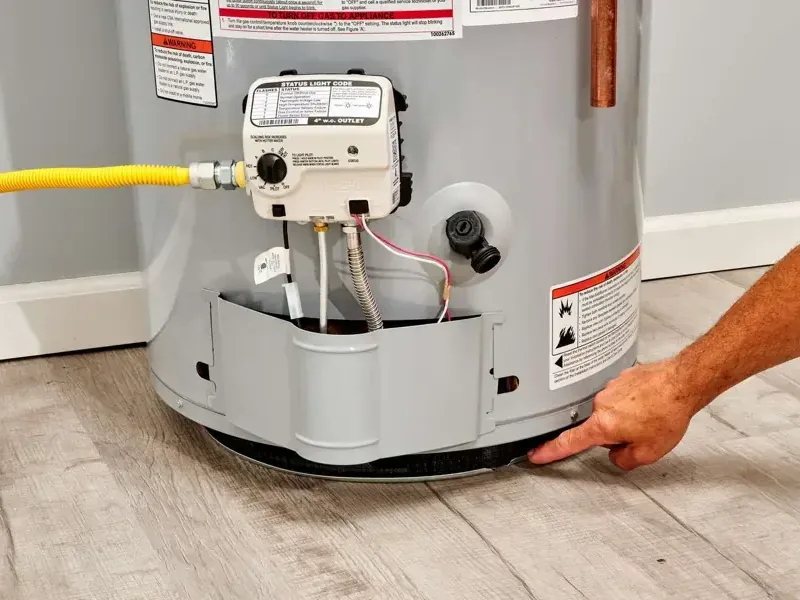
Water Heater Leak Cleanup
Water around a tank can travel beyond its closet. Evaluate the heater connection, nearby flooring and concealed edges beneath the base.
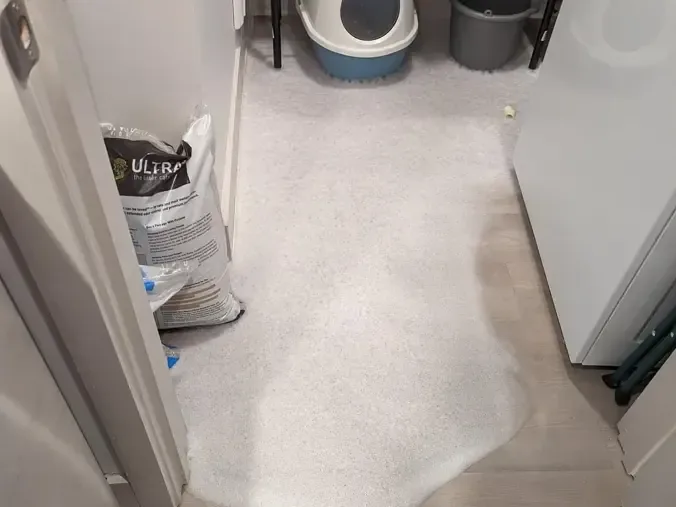
Appliance Leak Water Damage
Washers and dishwashers can discharge into hidden gaps. Check cabinet bases and floor layers after the appliance supply has been controlled.
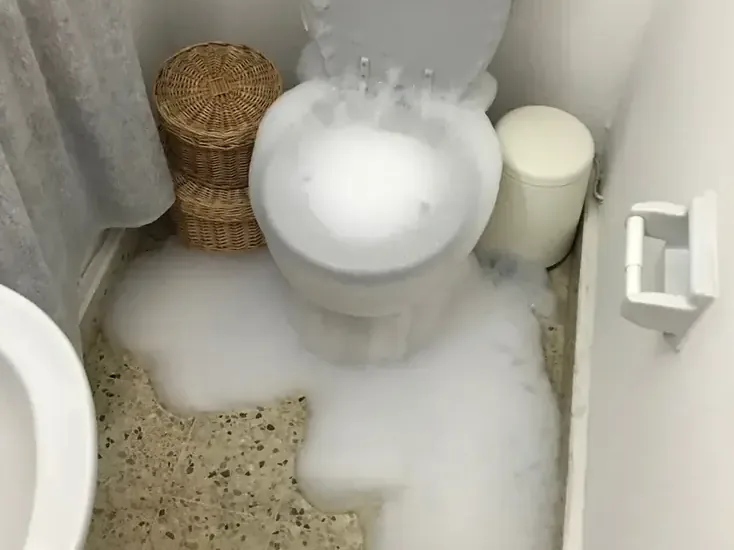
Bathroom Leak Water Damage
A bathroom leak may escape beneath tile or through a ceiling. Separate fixture repairs from the work of drying surrounding assemblies.

Sewage Backup Cleanup
A drain backup requires controlled access and contamination cleanup. Porous materials and washable surfaces need separate decisions before drying can proceed.
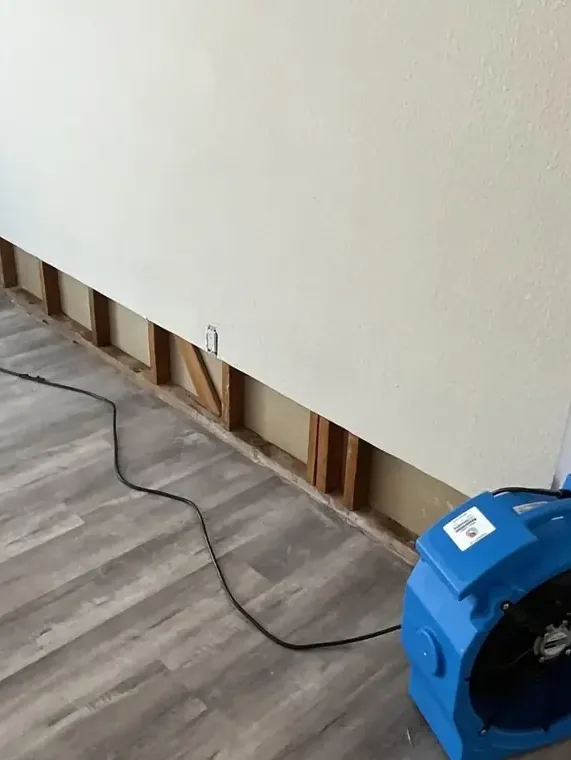
Condo and Townhome Water Damage
Water crossing a shared wall requires clear access arrangements. Record affected rooms in each unit while management coordinates the repair responsibilities.
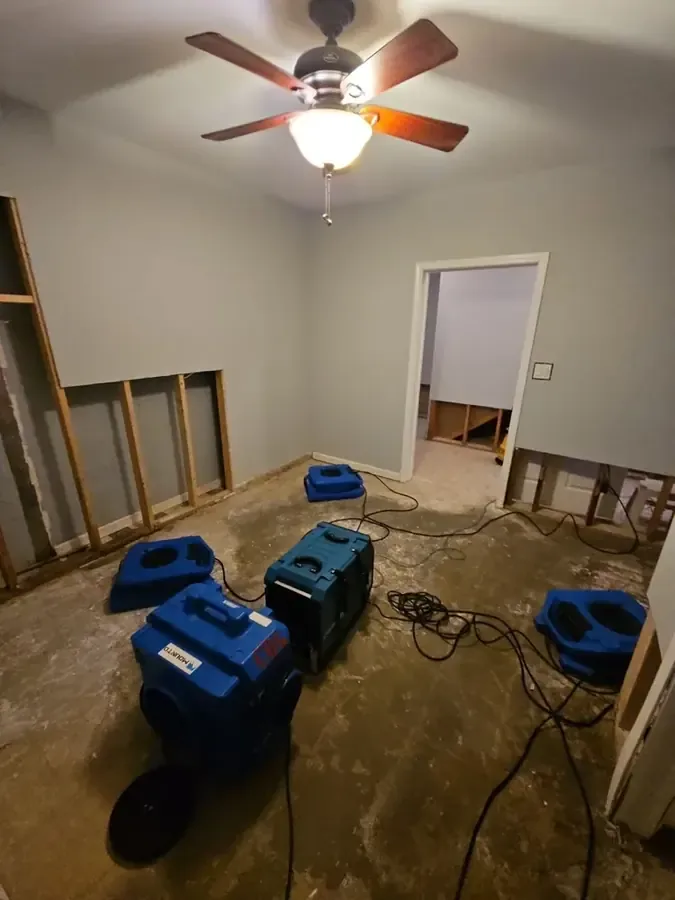
Structural Drying
Equipment selection follows measured moisture, room conditions and material depth. Progress readings show which assemblies need more attention before finishes return.
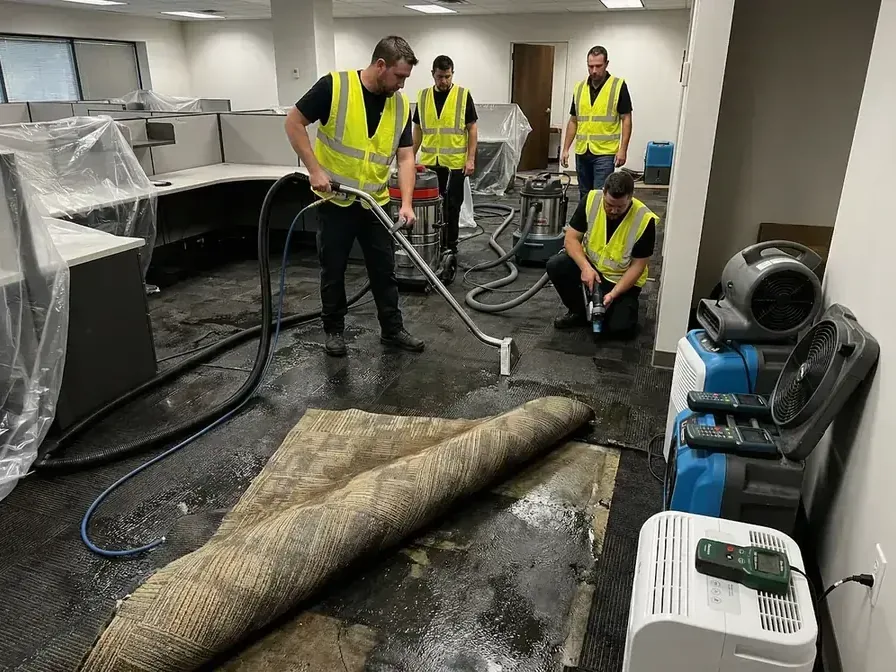
Commercial Water Damage
Wet business spaces need a practical work boundary. Protect stock, identify electrical concerns and keep usable access separate from restoration activity.
What shapes restoration costs in Hewitt?
A restoration estimate depends on the water source, the amount retained in materials and the access needed to reach it. These planning ranges distinguish a contained wet area from a loss involving several rooms, concealed assemblies or contamination. Inspection determines the actual scope.
Contained wet area
$1,000 to $3,000- Accessible flooring and room edges
- Focused removal of standing water
- Drying of a limited assembly
Connected indoor spaces
$3,000 to $7,500- Several adjoining surfaces requiring attention
- Moisture beneath finishes or trim
- Equipment adjusted between affected rooms
Extensive interior impact
$7,500 to $15,000+- Broader cleaning and material removal
- Difficult access to concealed moisture
- Multiple stages before finish repairs
Plumbing repairs, roof work and replacement finishes should appear separately when applicable. A written scope makes equipment, disposal and cleaning charges easier to compare before restoration work proceeds.
Separate supply leaks, discharge and outside water
Supply water
A failed supply connection calls for source control and prompt removal before water penetrates more flooring or spreads behind nearby finishes.
Explore removal optionsUsed appliance water
A discharge from an appliance may contain residues that change cleaning decisions, particularly around cabinets, seams and absorbent materials beneath flooring.
Inspect appliance spreadDrain contamination
Sewage requires a controlled work area and careful handling of affected contents, with cleaning decisions made before equipment moves air through rooms.
Explore backup cleanupDrying decisions need a documented sequence
Restoration moves forward when each stage answers a practical question: where the water went, what can remain, how retained moisture will leave and when an assembly is ready for repair. A dry looking surface is only part of that decision.
- 1
Establish the wet boundary
Readings and visible changes outline the affected area, including adjoining rooms where water may have traveled beneath apparently intact floor coverings.
- 2
Choose material treatment
The water source and condition of each surface determine cleaning needs, selective removal and which components can reasonably remain for drying.
- 3
Manage the indoor conditions
Extraction, air movement and dehumidification work together, with equipment placement adjusted to the room arrangement and the moisture retained inside materials.
- 4
Confirm the repair handoff
Final observations and moisture records support the transition to reconstruction, including any remaining openings, damaged finishes or separate source repairs still needed.
A room by room explanation matters
Property owners need to understand why an opening is necessary, why equipment remains and which repairs belong to another trade. The most useful scope connects every proposed task to the water path and the condition of an affected material inside the building.
Visible decisions
Photographs and a written description should identify each affected assembly so the owner can connect a proposed repair with the damage that prompted it.
Useful progress notes
Moisture observations should show what changed between visits and why a drying arrangement needs adjustment, continued operation or access into another concealed area.
Clear job boundaries
The scope should distinguish restoration from pipe replacement, roof repairs and finish installation, making the responsibilities easier to coordinate before work overlaps.
Practical access planning
An occupied property needs clear routes around equipment and an explanation of which rooms remain restricted while removal, cleaning and drying are underway.
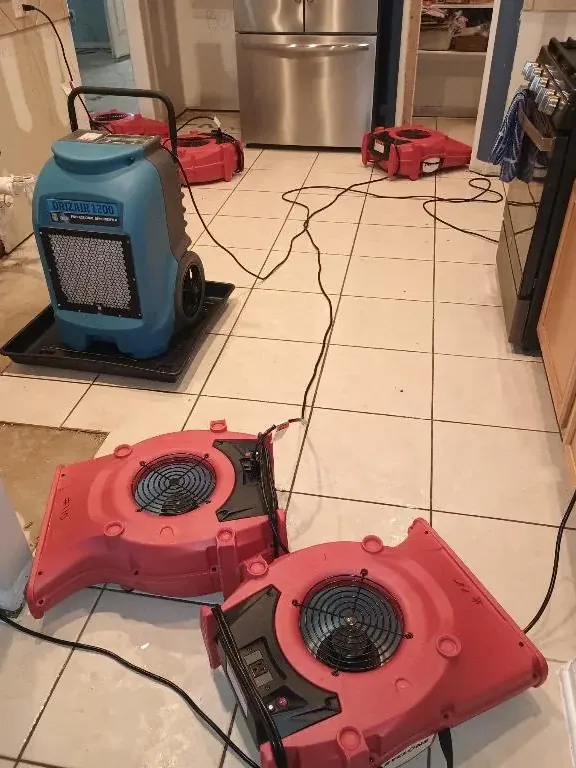
Document the damage and the decisions
A clear record helps explain the event, the affected property and the work needed for recovery.
- Photographs of the original water entry area
- A written timeline of the first visible changes
- An inventory of affected household belongings
- Separate estimates for source and finish repairs
- Moisture records supporting the drying decisions
When paying directly
A property owner arranging payment directly still benefits from a staged estimate. The first scope can identify extraction, cleaning and access needs, while later repair pricing reflects the materials that remain damaged after moisture removal and inspection.
Written changes should explain newly discovered wet areas before the scope expands. Questions about equipment duration, removal costs and repair exclusions are easier to resolve when photographs and room names accompany the proposal rather than a single undivided total.
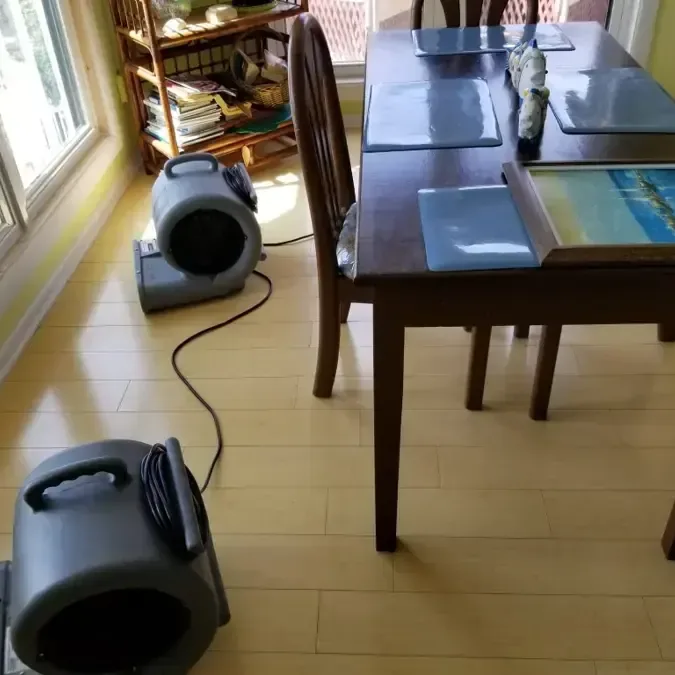
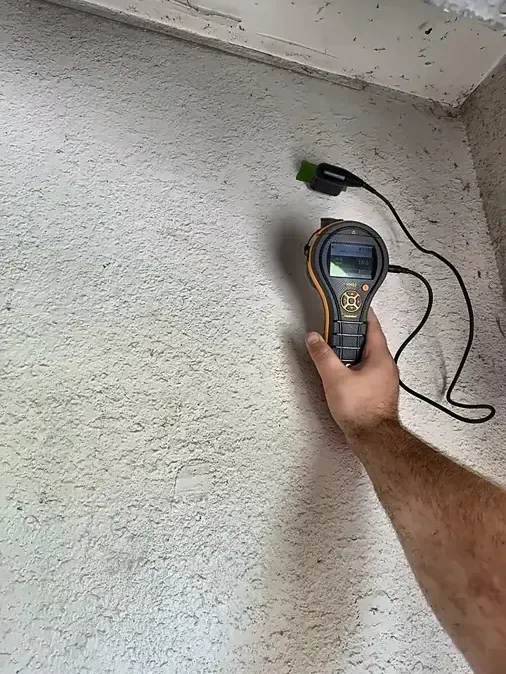
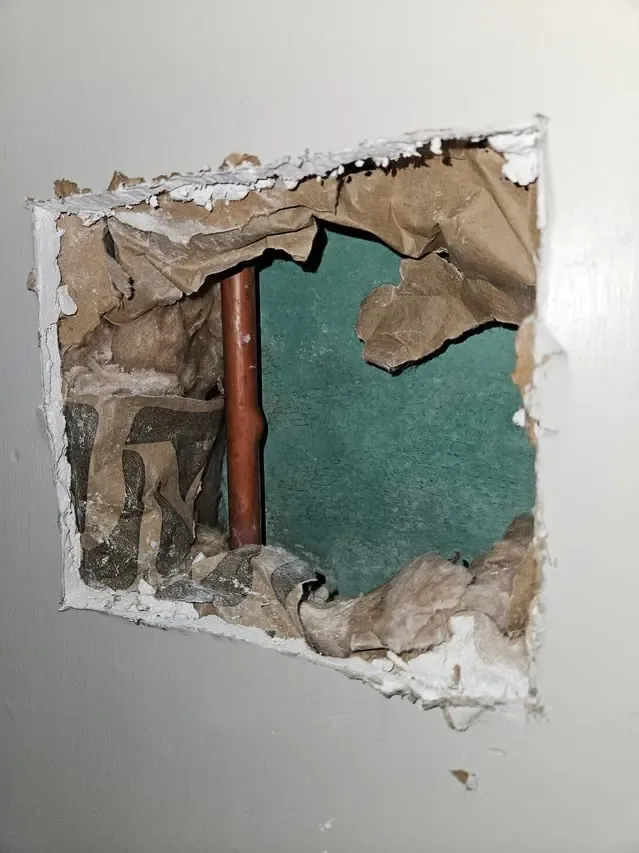
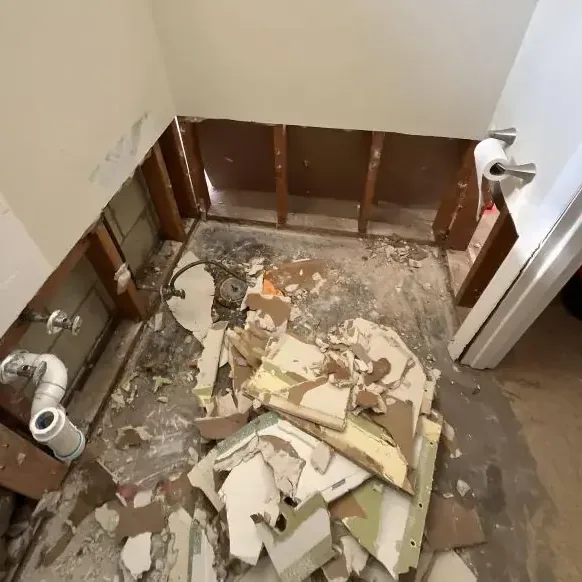
Floors, rooms and equipment during water cleanup
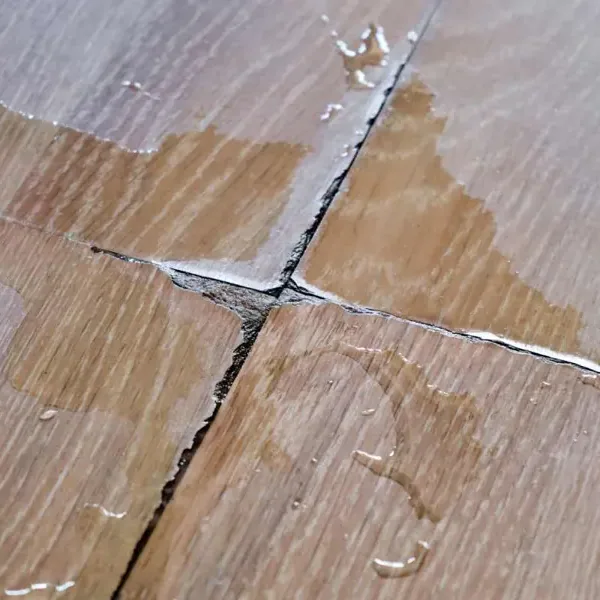
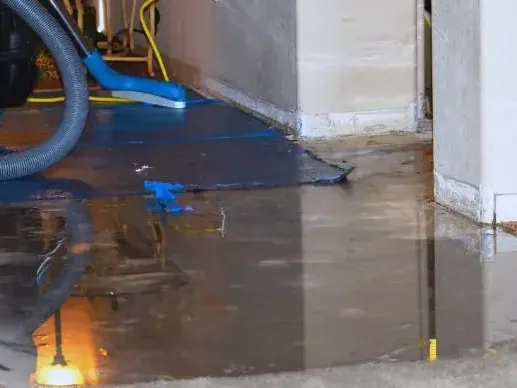
Local access starts with a clear location
Places and access references
Postal area
Additional area information
Rainfall can complicate the cleanup picture
Hewitt documents street flooding during heavy rainfall, with drainage obstructions making conditions more serious. Indoor cleanup therefore begins by distinguishing water that entered from outside from a separate plumbing failure inside the building.
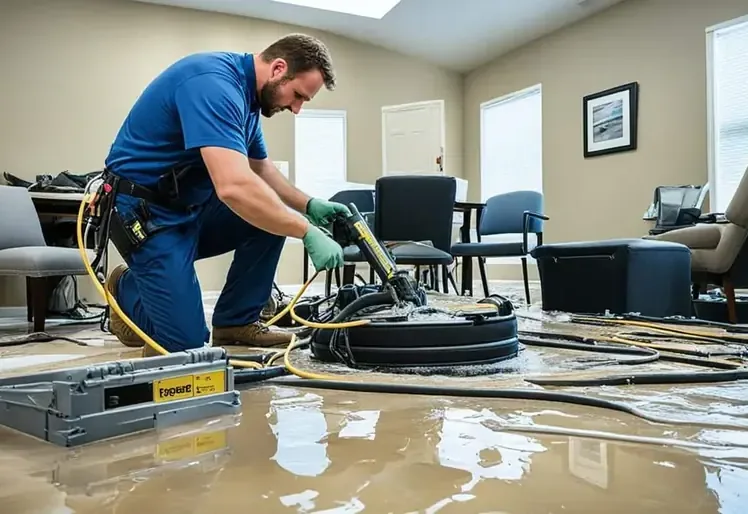
- Street flooding Heavy rainfall can interrupt access and introduce outside water through building openings.
- Blocked drainage Obstructions may worsen flooding around streets and neighborhoods during substantial rain.
- Hidden runoff routes Roof water may reach ceiling cavities before an interior drip appears.
- Summer humidity Hot, humid conditions favor controlled drying over reliance on open windows.
- Permit coordination GovWell supports permit applications and inspection requests for building repairs.
- 1960:
The city incorporated as a municipality. Present repair planning includes checking applicable permits before work closes an opened building assembly.
- 2020:
The census counted 6,020 housing units, a residential setting where individual room layouts shape the path of an interior leak.
- Drainage upkeep:
City crews inspect drainage ditches for erosion and blockages affecting runoff movement.
Questions before restoration begins
Is the wet room safe to enter?
Standing water, wet electrical components and a sagging ceiling are reasons to keep the area closed. A safe inspection establishes access before contents move or extraction begins. People and pets should remain in dry, unaffected rooms while those hazards are evaluated.
Why does a small puddle need more checking?
Water can move below a floor covering or collect behind baseboards while the visible puddle stays small. Checking adjoining materials helps define the actual affected area. The scope should explain what was measured and why a hidden assembly needs attention.
How does rainwater change the cleanup?
Outside water can carry dirt and residues across flooring, belongings and wall bases. That changes cleaning and removal decisions compared with a contained supply leak. Its route into the building also needs attention so restoration work is protected from another entry.
Can the same equipment dry every material?
Flooring, insulation and framing hold moisture differently. Equipment selection follows the retained water and the access available to it. A covered cavity may need an opening, while an exposed surface may respond to directed air movement and controlled indoor humidity.
Who deals with a broken pipe?
A plumber handles the pipe defect, while restoration addresses water remaining in the building. Those tasks should be coordinated so the source repair does not leave wet materials enclosed. Separate estimates help clarify which work each trade will complete and document.
What information helps during the first conversation?
The owner can describe when water first appeared, whether it continues entering and which rooms are affected. Mention an upstairs fixture, wet ceiling or backed up drain if present. Photographs taken from a safe location can support that initial description.
Are drying and rebuilding the same stage?
Drying removes retained moisture from suitable materials. Rebuilding replaces finishes or components that cannot remain. Restoration records should identify the handoff between these stages, including the condition of exposed assemblies and any unresolved source repair before new surfaces conceal them.
Where can drainage concerns be reported?
The City of Hewitt offers an online drainage concern reporting system. A report about street drainage can accompany an interior loss record, but the affected building still needs its own assessment of water entry, contamination and materials requiring cleanup or removal.
When can furniture return to the room?
Furniture should return after the work area is ready, affected surfaces have received the appropriate treatment and equipment access is no longer needed. Heavy items can obstruct drying at floor edges, so placement should follow the room assessment and repair plan.
A clear description starts the assessment
Describe the water source, the affected rooms and any access hazards so the initial restoration discussion addresses the right concerns.
Turn a wet room into a defined repair plan
An organized assessment connects water removal, material treatment and drying to the damage actually present. The next conversation can start with the source, the room and the visible changes.
(888) 527-9134Arrange a property assessment- Woodway, TX · McLennan County
- (888) 527-9134, open 24/7
- Dried to the IICRC S500 standard
- Find us on Google