Hewitt rainfall entry cleanup

Storm Water Damage in Hewitt

Rain entering a building leaves both a moisture problem and a cleaning problem. Storm restoration identifies the entry route, separates affected belongings and plans removal around the surfaces touched by incoming water.

(888) 527-9134Explore the rain entry damage
Entry route assessment Runoff cleanup Interior moisture checks
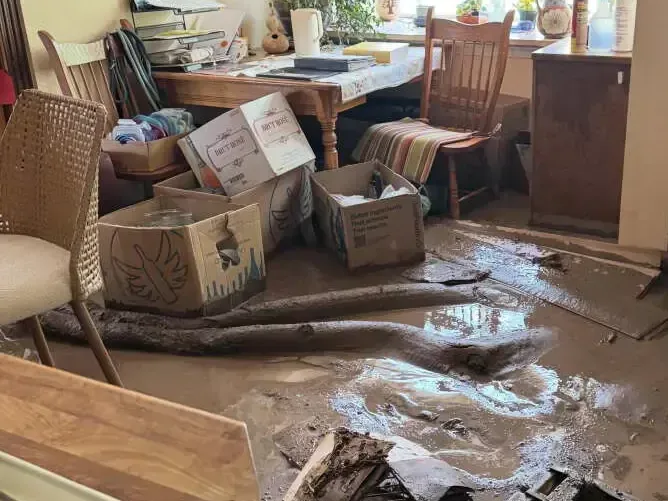
Muddy water covering a furnished room floor around boxes and chairs
Right now

First steps for storm water damage in Hewitt

  1. 1

    Wait for a safe approach

    Flooded access, unstable surfaces and wet electrical components require assessment before entry. The owner should describe those conditions from a dry location rather than crossing water to inspect damage.

  2. 2

    Record the outdoor entry path

    Photographs should show the opening, sediment and affected interior floor when visible safely. That record connects the storm entry with later cleaning and removal decisions inside the property.

  3. 3

    Separate exposed contents carefully

    Belongings touched by runoff should remain away from clean storage areas. A contents assessment can then distinguish washable surfaces from porous items requiring a different handling or disposal decision.

  4. 4

    Report drainage problems separately

    The city offers online reporting for drainage concerns. Keep that report with the loss notes while arranging an interior assessment of water removal, surface treatment and concealed moisture.

Storm damage can begin at a threshold and extend through an entire floor assembly. Mud at the entrance may be obvious while water beneath a cabinet remains hidden. Hewitt documents street flooding during heavy rain, making the path from outside to inside an essential part of the assessment. The cleanup record should identify the entry point as well as every indoor surface reached.

Understand the route that brought water indoors

Runoff flows across paved streets, parking lots and rooftops. It is not treated before reaching receiving waters, and drainage obstructions can worsen flooding. Once outside water reaches a building, its contact with debris and surfaces affects cleaning decisions. A room should be assessed for that exposure before belongings are carried into unaffected spaces or ordinary fans begin moving air across wet materials.

The city maintains drainage ditches and retention ponds serving streets and neighborhoods. Its online drainage concern system offers a way to report a blockage or recurring exterior problem. The interior restoration plan still needs its own entry assessment, including openings that require protection before additional rain can affect newly treated rooms. Exterior correction and indoor cleanup should be coordinated as separate tasks.

Typical cost ranges

What does storm water damage cost in Hewitt, TX?

Storm restoration costs in Hewitt depend on the entry area, contamination and the depth of water involvement in building materials. Cleanup may include disposal and cleaning before drying. These ranges describe different interior loss sizes; exterior repairs should be detailed separately in the proposal.

Limited entry area

$2,000 to $6,000
  • Threshold and adjacent floor treatment
  • Localized exposed contents handling
  • Accessible surface cleaning

Several contaminated rooms

$6,000 to $12,000
  • Connected interior cleanup areas
  • Broader porous material decisions
  • Multiple drying work positions

Extensive interior flooding

$12,000 to $20,000+
  • Large affected building footprint
  • Complex debris and removal work
  • Expanded concealed moisture treatment

These planning ranges vary with water category, affected floor area, material class and the delay before drying. Access and disposal also affect the scope. The water damage cost calculator allows those conditions to be compared.

Step by step

How storm water damage is handled in Hewitt

The restoration technician records the wet materials and dry comparison readings. That inspection sets the removal boundary, equipment arrangement and measurements needed before repairs begin.

  1. 1

    Establish the storm exposure

    The assessment identifies the entry opening, the water path and the surfaces contacted, then sets a work boundary that protects dry rooms during removal and cleaning.

  2. 2

    Remove liquid and affected debris

    Extraction proceeds with suitable handling of exposed contents and damaged materials. Sediment and residues receive attention before drying equipment begins circulating air through the affected interior spaces.

  3. 3

    Treat accessible building surfaces

    Cleaning decisions follow the water exposure and material condition. The scope explains which surfaces can remain and which layers need removal to reach hidden moisture or contamination.

  4. 4

    Dry and document the interior

    Moisture observations track retained assemblies after cleaning. The completion record distinguishes the restored interior from outstanding entry repairs, coordinating the next stage while preserving the original storm context.

Make access part of the storm plan

Warren Park, City Hall and the Community Services Building help a caller describe a property's location. After a storm, the more immediate information is whether the entrance remains accessible and whether water surrounds electrical equipment. A safe route should be established before the owner or a crew attempts to move contents, inspect lower rooms or bring removal equipment through the building.

  • Photograph the threshold and the water path from dry ground.
  • Keep exposed porous belongings apart from unaffected household contents.
  • Record sediment deposits before cleaning changes the room appearance.
  • Identify any continuing entry before drying equipment is installed.
Clean the exposed surfaces, then manage moisture

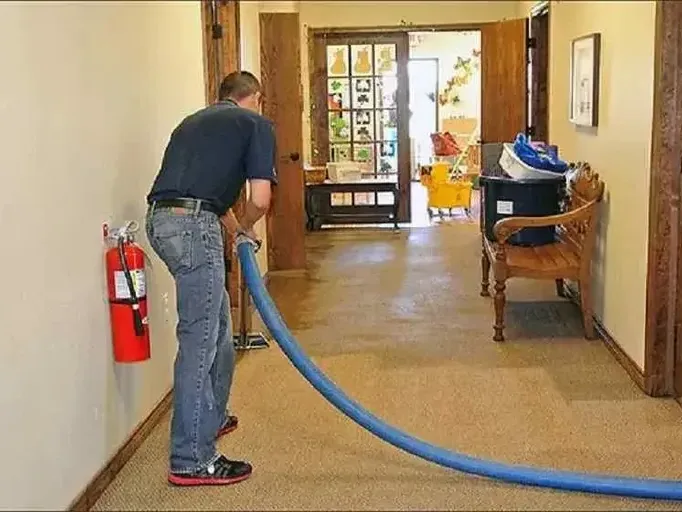
Water extraction removes accessible liquid, but dirty water can leave residues after the floor stops looking flooded. Material condition and exposure determine whether cleaning is appropriate or removal is necessary. The work boundary should account for contaminated debris, equipment routes and places where water collected beneath finishes rather than remaining on top.

Drying follows a suitable cleaning and access plan. Wall bases, floor seams and enclosed edges need attention even if the room air feels comfortable. The structural drying stage tracks retained moisture so reconstruction can follow a documented condition assessment. Photos of the original entry and notes on removed materials preserve a useful explanation of the loss after visible storm debris is gone.

Hewitt, TX service area
Service area

Storm water damage across Hewitt and nearby towns

Hewitt storm cleanup can be planned alongside the town restoration services, with attention to safe building access, affected contents and the full indoor water path.

The same service nearby: storm water damage in Woodway, Robinson, Waco.

Water damage restoration in Hewitt · every town covered

Answers

Storm Water Damage questions in Hewitt, TX

Why handle rain entry differently from a pipe leak?

Outside water can collect residues before crossing the threshold. That exposure affects cleaning, contents handling and removal choices, so the assessment considers the route into the property rather than relying on the appearance of the water.

Does reporting a blocked ditch arrange interior cleanup?

A drainage report addresses the exterior concern. The building still needs its own assessment and restoration arrangements, including entry control, water removal and treatment of affected surfaces. Keeping both records helps explain the event and the response.

Should muddy belongings go into an unaffected room?

Exposed belongings should remain separated until their handling needs are assessed. Moving them through clean spaces can spread residues and complicate the work boundary, so contents staging belongs in the cleanup plan before relocation begins.

Can drying start before surface cleaning is complete?

The sequence depends on the exposure and work area. Dirty water requires cleaning and material decisions before air movement spreads through affected spaces. The scope should explain how extraction, surface treatment and drying will be coordinated.

What if another rain event is expected?

The entry route needs attention alongside the interior work. Appropriate protection or source repairs should be coordinated with the responsible trade so additional water does not reach rooms undergoing cleaning, drying or later finish replacement.

Which pictures are useful after the storm?

Images of entry openings, sediment, water levels on surfaces and affected contents help preserve conditions before removal. Photographs should be taken only from safe locations, then kept with the timeline and any exterior drainage report.

Still dealing with it?

Storm recovery starts with the route water took and the surfaces it touched after entering the building.

(888) 527-9134Describe the storm entry
24/7 emergency dispatch

Explore runoff and room conditions

A useful first account includes access hazards, sediment, affected belongings and any opening that still allows rain to enter the property.

(888) 527-9134Plan the indoor storm cleanup
(888) 527-913424/7 water damage help