Outdoor entry needs controlled cleanup

Storm Water Damage in Waco

Water crossing a doorway brings outdoor material into the building. Storm cleanup evaluates that entry path, separates affected belongings and establishes which interior surfaces need removal, cleaning or drying after the water recedes.

(888) 527-9134Describe the outdoor water entry
Entry path assessment Sediment removal Controlled interior recovery
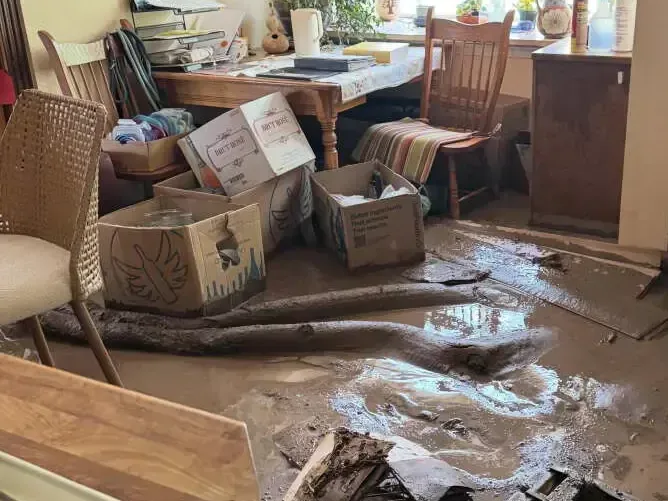
Muddy water covering a furnished room floor around boxes and chairs
Right now

First steps for storm water damage in Waco

  1. 1

    Wait for safe building access

    Moving water, electrical hazards and damaged surfaces require a safe entry assessment. Residents should stay out of affected rooms until the immediate conditions allow controlled cleanup access.

  2. 2

    Keep the dry area separate

    Shoes, tools and wet belongings can carry residue into clean spaces. A designated route and a clear boundary reduce unnecessary movement between occupied rooms and the affected interior.

  3. 3

    Record the outside entry

    Photographs of the entry point and interior residue help explain the event. Images should be taken from a safe position without walking through unknown water to reach another view.

  4. 4

    Identify affected porous belongings

    Rugs, upholstered items and stored boxes need condition decisions before relocation. A contents list helps organize handling and prevents wet items from being mixed with belongings that stayed dry.

When outdoor water enters a Waco home, the cleanup extends beyond pumping a room empty. Soil and debris can lodge against trim, settle beneath furnishings and remain inside absorbent materials. The entry route, depth of wetting and surfaces contacted establish the starting scope. Occupants need a clear separation between the affected space and the dry portion of the property.

Follow the actual entry into the building

The Brazos River, Bosque River and Lake Waco are part of the local water setting. At an individual building, useful observations are more immediate: the doorway where water crossed, the wall joint that became wet and the rooms connected by the flow. Those details help separate exterior entry from a plumbing leak discovered during the same weather.

Photographs from a safe dry position can show sediment and the initial condition before cleanup changes the scene. A visible residue mark can help direct inspection, but absorbed moisture may extend beyond it. Closets, floor transitions and the backs of cabinets need attention where they connect to the affected area.

Typical cost ranges

What does storm water damage cost in Waco, TX?

Storm cleanup in Waco varies with contaminated material removal, sediment handling and the interior area affected. Several rooms with trapped outdoor water require a broader scope than one accessible entry area. Exterior repairs and rebuilding should be described separately from the cleanup and drying work.

Limited entry area

$2,000 to $6,000
  • Contained outdoor water entry
  • Focused residue cleanup
  • Retained material inspection

Several contaminated rooms

$6,000 to $12,000
  • Connected affected surfaces
  • Additional porous material removal
  • Broader drying setup

Extensive interior flooding

$12,000 to $20,000+
  • Complex room access
  • Widespread contaminated material handling
  • Detailed recovery documentation

These planning ranges vary with water category, affected floor area, material class and the delay before drying. Access and disposal also affect the scope. The water damage cost calculator allows those conditions to be compared.

Step by step

How storm water damage is handled in Waco

The restoration technician records the wet materials and dry comparison readings. That inspection sets the removal boundary, equipment arrangement and measurements needed before repairs begin.

  1. 1

    Establish exposure and boundaries

    The inspection identifies outdoor entry and the surfaces contacted. Dry areas are separated from work routes before equipment and affected contents move through the property.

  2. 2

    Recover water and deposits

    Accessible liquid and sediment are removed with handling suited to the exposure. Porous finishes are evaluated so damaged layers do not conceal contamination beneath the cleanup area.

  3. 3

    Clean retained surfaces

    The exposed assembly receives appropriate cleaning before directed air movement begins. Access limitations and any remaining exterior water entry are recorded for the owner and repair trades.

  4. 4

    Measure the drying response

    Retained materials are checked repeatedly as indoor conditions are controlled. The final assessment connects those readings with the removal and cleaning record before repair planning proceeds.

Remove contamination before circulating room air

At a property in East Riverside, the treatment method should reflect the outdoor water exposure and the materials it reached. Saturated porous finishes may require removal. Harder retained surfaces need cleaning appropriate to their condition. Ordinary fans should not be used to blow across dirty water or deposits before the cleanup boundary and handling method are established.

  • Keep dry belongings away from affected walking routes.
  • Separate wet contents before moving them through occupied rooms.
  • Check concealed flooring edges for sediment and trapped liquid.
  • Record removed materials before replacement planning begins.
Dry what remains after the room is cleaned

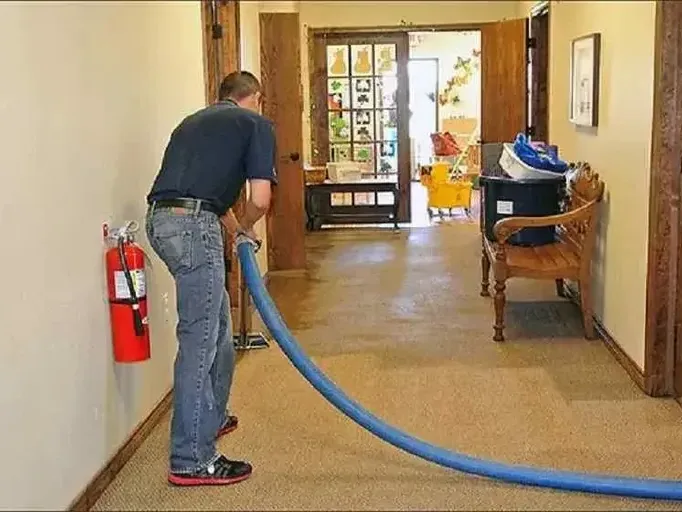
Water extraction can remove reachable liquid while controlled material handling addresses what cannot remain. Once the space is prepared, drying focuses on retained framing and other recoverable assemblies. The plan should account for moisture at wall bottoms and beneath accessible floor layers instead of treating a clean surface as proof that the whole assembly is ready.

A return to normal use depends on more than appearance. Electrical concerns, weakened finishes and ongoing exterior entry all affect access. The owner should receive an explanation of areas that remain restricted and the repair work needed to stop another wetting event. A restoration record can then support the next construction decision with clear observations.

Where retained materials still hold water, structural drying documents their progress through repeat readings. The completion assessment should identify the cleaned areas, disposal decisions and drying results together. That combination makes the recovery scope understandable and gives the repair trade a reliable account of the space being handed over.

Waco, TX service area
Service area

Storm water damage across Waco and nearby towns

Storm water restoration in Waco addresses outdoor water inside buildings, including entry assessment, affected material handling and drying of retained accessible interior assemblies.

The same service nearby: storm water damage in Woodway, Bellmead, Lacy-Lakeview.

Water damage restoration in Waco · every town covered

Answers

Storm Water Damage questions in Waco, TX

Is clear floodwater safe to handle?

Water crossing outdoor ground needs contamination assessment even when it appears clear. The cleanup assessment considers its route and contact with materials. Restricted access is appropriate until the exposure and handling method are understood.

Can a wet rug stay over the floor?

A rug exposed to outdoor water needs its own material decision. Leaving it in place can hide residue and moisture below. The floor and rug should be assessed separately before either is included in a recovery plan.

Should fans run as soon as water recedes?

Air movement across dirty surfaces can spread material into adjoining spaces. Removal and cleaning decisions come first, followed by a drying arrangement for retained assemblies. Equipment placement should match the condition of the prepared work area.

Does a river location determine the cleanup cost?

The estimate depends on the actual affected rooms, water exposure and material handling required. Local waterways provide geographic context, but the building inspection establishes the scope and the work needed for that specific loss.

What if another storm arrives during drying?

The exterior entry point needs a repair or protection plan coordinated with the appropriate trade. Continuing water intrusion can reverse drying progress. The owner should understand any temporary limitations before indoor finish work begins.

What should the final project record include?

Useful records combine initial conditions, removed materials, cleaning work and final moisture readings. They should also identify unresolved exterior repairs or inaccessible spaces so the next trade can plan rebuilding with a clear understanding of the remaining work.

Still dealing with it?

Outdoor water changes the cleanup decisions for flooring, belongings and the concealed edges of affected interior rooms.

(888) 527-9134Assess the storm entry
24/7 emergency dispatch

Controlled cleanup for outdoor water exposure

Describe the entry point, visible residue and rooms reached by the water to establish the first restoration assessment.

(888) 527-9134Discuss interior storm recovery
(888) 527-913424/7 water damage help