Inspect the insulation around the drip path
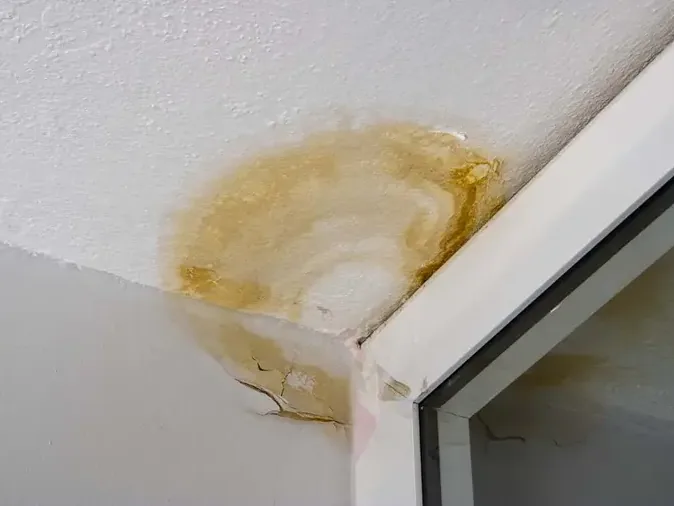
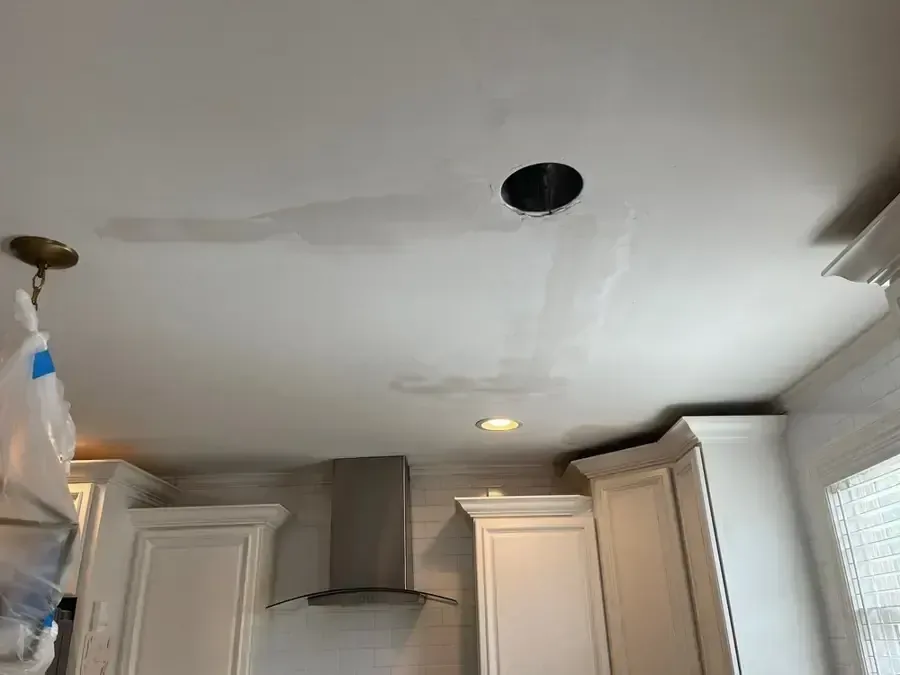
In Parkdale, the visible ceiling mark may be smaller than the damp insulation above it. Insulation condition and the ability to reach retained framing affect removal decisions. Compressing wet material or covering it with fresh insulation does not address the moisture below. The inspection should describe the affected layer and its connection to the roof leak.
- Water can follow framing before reaching the ceiling finish.
- Insulation may remain wet after visible dripping stops.
- Ceiling softness requires a safety decision before overhead work.
- Lighting fixtures need attention when water reaches their openings.
Connect the roof repair to interior recovery
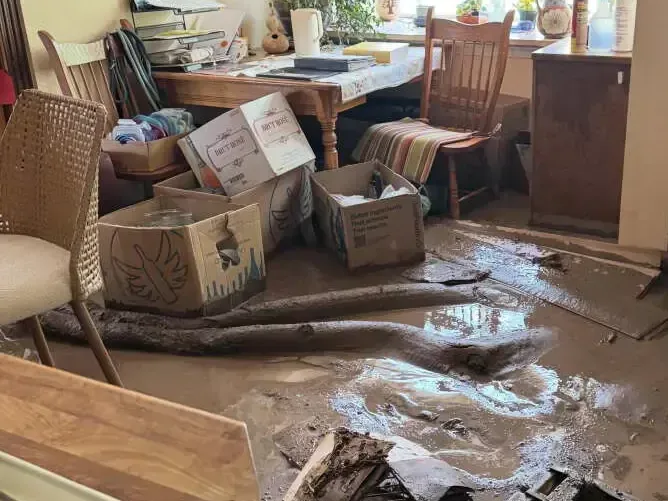
At an Oakwood property, the roofing work and room cleanup should share a clear sequence. The roof repair stops new entry. Damaged interior material is then addressed, and ceiling leak restoration manages the overhead surfaces requiring access. Temporary exterior protection, when needed, belongs to a qualified repair plan rather than an occupant climbing onto a wet roof.
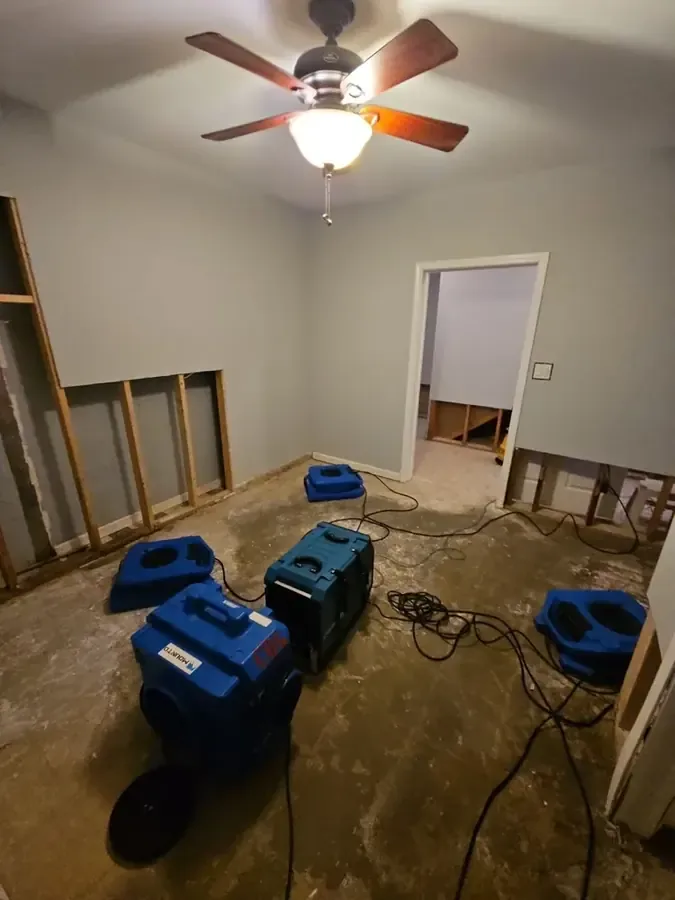
Drying follows the materials that remain. Accessible framing may respond differently from layered ceiling finishes, and an enclosed corner can require another equipment position. Structural drying uses repeat measurements to distinguish improvement in room air from recovery within the assembly. That distinction matters before insulation or decorative finishes are reinstalled.
The final assessment should document the source repair status, the opened area and the readings supporting closure. An old stain may still require cosmetic repair after moisture has been addressed. Conversely, a freshly painted ceiling can conceal material that never dried. A sound handoff gives the repair trade the condition record needed to make that difference clear.