Interior damage from roof entry

Roof Leak Water Damage in Lacy-Lakeview

A ceiling stain after rain can sit away from the opening in the roof. Interior restoration follows that hidden route through insulation, framing and wall junctions while roof repair prevents the next rainfall from wetting those materials again.

(888) 527-9134Describe the overhead rain leak
Trace attic moisture Coordinate roof repair Protect the room below
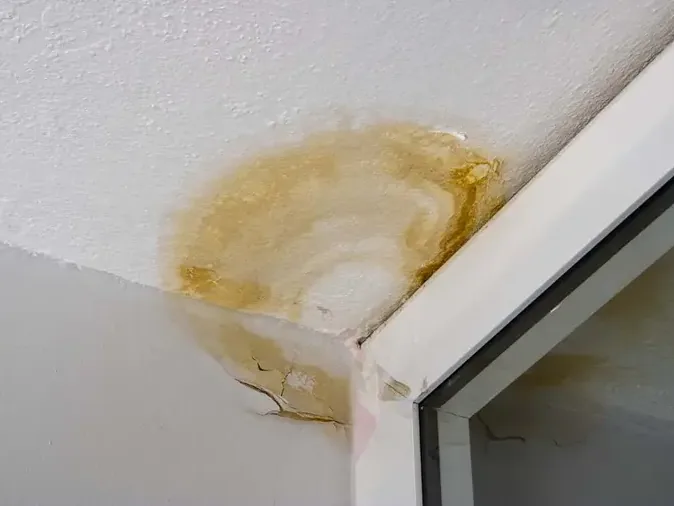
Yellow brown ceiling stain beside the upper corner of a window
Right now

First steps for roof leak water damage in Lacy-Lakeview

  1. 1

    Observe from below safely

    Record the stain location and any change during rain from outside the affected area. Avoid standing beneath a swollen panel or approaching water around a ceiling mounted electrical fixture.

  2. 2

    Arrange the roof assessment

    An appropriate roofing professional should inspect the entry route and repair needs. Interior cleanup planning benefits from knowing whether the opening remains active or has received effective temporary or permanent attention.

  3. 3

    Protect the room contents

    Dry furnishings can be moved from a safe edge before the work area expands. Heavy wet belongings and items directly below unstable panels require a controlled handling decision first.

  4. 4

    Describe overhead access

    Mention attic hatches, storage and rooms beneath the stain. Safe access to concealed materials affects how inspection, selective removal and later moisture readings can be completed during the restoration work.

A brown ceiling edge may draw attention to one corner while rainwater has followed framing from somewhere else. For a roof leak in Lacy-Lakeview, the interior assessment should connect the room mark with conditions above it. The roofing inspection identifies the entry defect. Restoration evaluates wet insulation, ceiling backing and nearby walls so the visible repair does not conceal moisture left in the assembly.

Trace the path above the room

Attic access changes what can be inspected safely. A clear hatch does not make every surface above the ceiling suitable for walking, especially when insulation hides framing or wet panels. At a Lacy property, the assessment should establish a safe route before examining the area over a stain. Access limitations belong in the scope because they affect both inspection and drying.

  • Describe whether the mark grows during rainfall or afterward.
  • Keep the space beneath swollen ceiling materials clear of occupants.
  • Photograph discoloration without climbing into an unsafe overhead area.
  • Identify fixtures or wall junctions within the visible wet boundary.
Typical cost ranges

What does roof leak water damage cost in Lacy-Lakeview, TX?

Roof leak restoration costs in Lacy-Lakeview depend on attic access, insulation condition and the spread beneath the roof opening. The interior estimate should describe removal and drying without blending them into roofing charges. Ceiling replacement and paint may also be separate stages after the retained materials are ready.

One ceiling area

$1,200 to $4,000
  • Localized overhead moisture checks
  • Limited interior access opening
  • Focused retained material drying

Attic and room spread

$4,000 to $9,000
  • Wet insulation handling
  • Wall junction condition check
  • Multiple connected drying areas

Extensive hidden wetting

$9,000 to $15,000
  • Broader concealed assembly inspection
  • Complex overhead removal access
  • Detailed interior repair coordination

These planning ranges vary with water category, affected floor area, material class and the delay before drying. Access and disposal also affect the scope. The water damage cost calculator allows those conditions to be compared.

Step by step

How roof leak water damage is handled in Lacy-Lakeview

The restoration technician records the wet materials and dry comparison readings. That inspection sets the removal boundary, equipment arrangement and measurements needed before repairs begin.

  1. 1

    Connect the stain and cavity

    Inspection follows moisture from the room surface into accessible overhead materials. This establishes the damage route while the roof specialist evaluates the exterior source and repair method.

  2. 2

    Plan controlled interior access

    Unstable or unsalvageable components are identified for removal. The opening plan accounts for room protection, safe overhead work and the access needed to inspect retained materials properly.

  3. 3

    Dry the exposed structure

    Equipment serves the affected framing and surfaces after source control. Progress readings determine whether moisture is leaving the assembly or remaining behind a layer that needs more access.

  4. 4

    Coordinate finish replacement

    The closeout check records drying condition and the remaining interior repairs. Ceiling installation and decorating follow that record, with roofing status kept visible in the overall property repair sequence.

Separate roofing repair from wet material decisions

Stopping roof entry is essential, but it does not remove moisture already inside insulation or wallboard. A Lakeview home may need selective interior access even after an exterior repair is complete. The decision depends on the actual wet assembly, its condition and whether equipment can reach the affected layers through existing openings.

Northcrest merged with the city in 1998. For a property in that area, the current roof arrangement and interior construction determine the cleanup work. Documentation should show which materials were wet, which were removed and which remain for drying. That record allows the roofer and interior repair trade to address their own tasks without leaving a gap between them.

  • Check insulation around the first obvious stain for retained water.
  • Inspect wall tops where runoff leaves the ceiling cavity.
  • Document any damaged finish that must open for drying access.
  • Keep source repair updates with the interior moisture assessment.
Judge readiness by the retained assembly

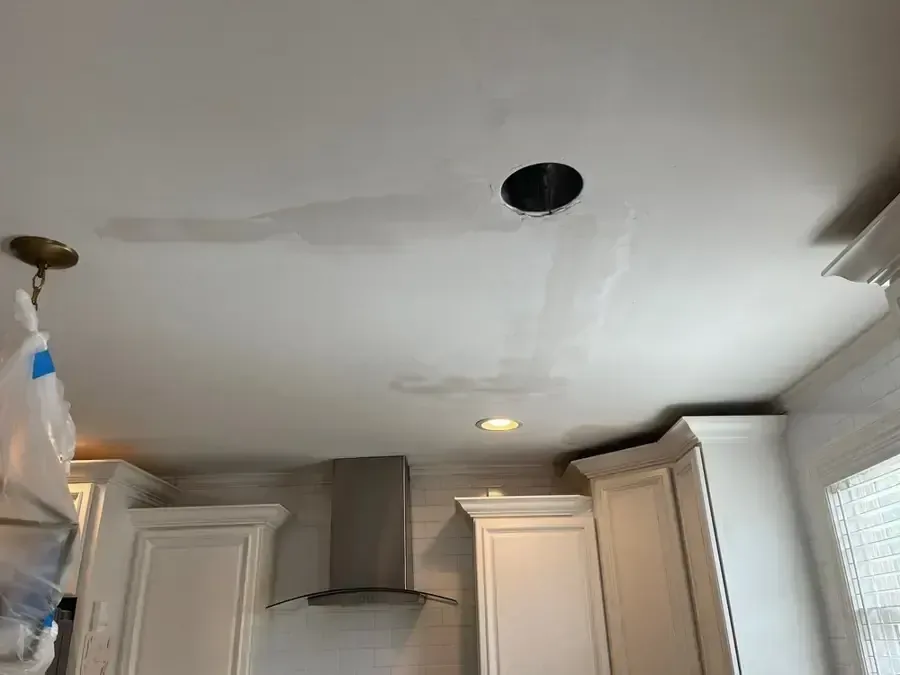
Once entry is controlled, structural drying can address framing and other materials suitable to remain. Equipment needs a useful route to that moisture. Blowing air across a finished ceiling may not reach wet backing or insulation, so the plan should explain how the concealed area will be treated and measured.

When sagging panels become the immediate concern, ceiling leak cleanup addresses the room safety and access issues. Painting belongs near the end of the sequence. Before it begins, the repair handoff should identify stable retained materials, completed drying and any remaining openings. A stain can be covered quickly, but the purpose of restoration is to resolve the wet assembly beneath the new finish.

Lacy-Lakeview, TX service area
Service area

Roof leak water damage across Lacy-Lakeview and nearby towns

For Lacy, Lakeview and Northcrest properties, describe the ceiling mark, rain timing and attic access when requesting assessment of interior damage below a roof leak.

The same service nearby: roof leak water damage in Woodway, Bellmead, Waco.

Water damage restoration in Lacy-Lakeview · every town covered

Answers

Roof Leak Water Damage questions in Lacy-Lakeview, TX

Can the roof opening be away from the stain?

Yes. Water can follow framing or other surfaces before reaching a visible ceiling area. The roof inspection and interior moisture assessment should trace that route rather than assuming a direct vertical path.

Does a repaired roof finish the interior work?

Wet insulation and building materials may remain after entry stops. They need a separate assessment for removal or drying before the ceiling is closed and the visible finishes are restored.

Should a homeowner enter a wet attic?

Unsafe attic access should be left to appropriate professionals. Hidden framing, unstable ceiling panels and nearby electrical components can make a space hazardous even when the hatch itself is easy to reach.

Can ceiling paint hide the moisture problem?

Paint changes the appearance but does not dry the assembly. Moisture condition and material stability should be checked first so the repaired surface is supported by a suitable underlying ceiling.

Why check the top of an adjoining wall?

Roof water can move through ceiling junctions into wall cavities. A wall inspection helps establish whether the loss remains overhead or has also reached finishes and insulation beside the affected room.

What helps distinguish recurring rain entry?

Notes about rainfall, stain growth and completed roofing work help establish the sequence. Safe photographs and moisture records support the discussion when entry appears to continue after an earlier repair attempt.

Still dealing with it?

A roof repair and an interior dry out need to meet at the wet materials hidden above the ceiling.

(888) 527-9134Discuss overhead rain damage
24/7 emergency dispatch

Describe the stain and recent rain activity

Mention attic access, unstable panels and the roof repair status so the restoration assessment can account for both source control and interior drying.

(888) 527-9134Plan the interior recovery
(888) 527-913424/7 water damage help