Use repeat readings to change the setup
In Dean Highland, a drying record should connect each measurement to a specific material and location. Comparing the same wall area over time is more useful than collecting unrelated numbers around the room. Appropriate dry reference areas help interpret progress without treating different materials as though they share an identical moisture response.
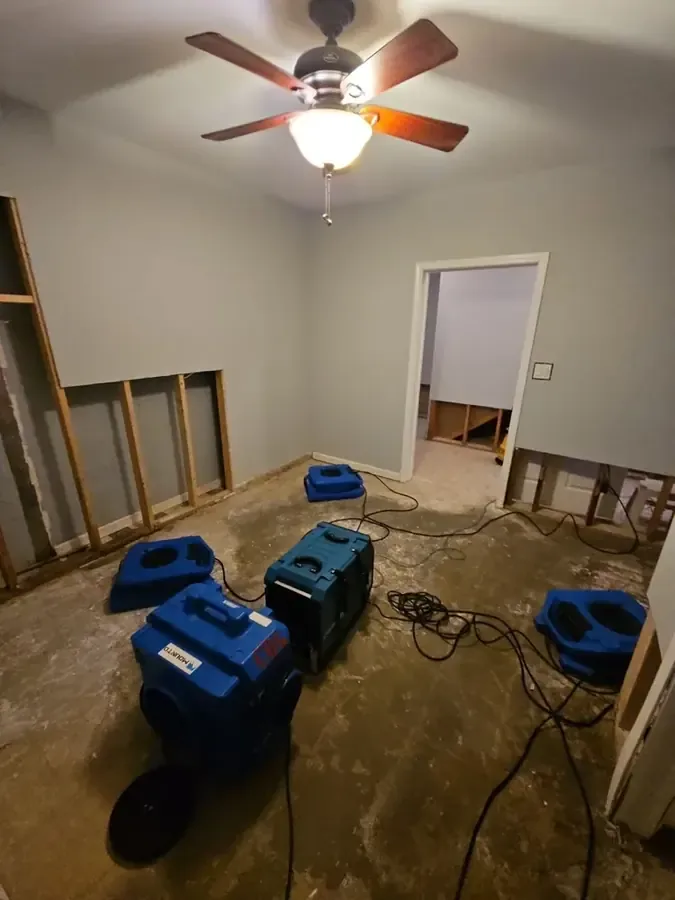
- Air movement supports evaporation at accessible wet surfaces.
- Dehumidification removes moisture released into the indoor air.
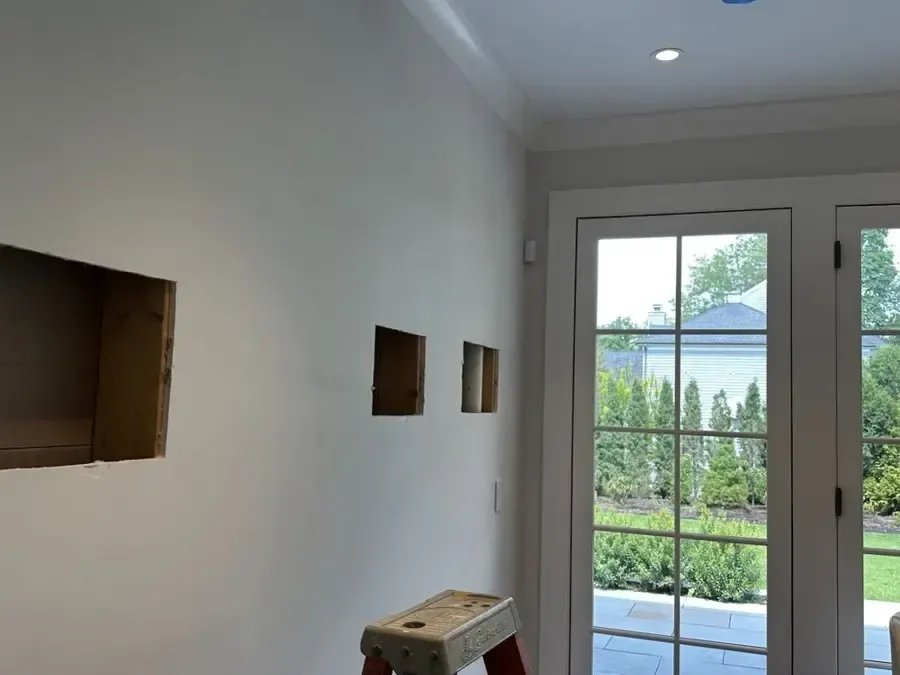
- Enclosed compartments may need another access arrangement.
- Stable monitoring locations make changes easier to interpret.
Resolve the reason a wet area stops improving
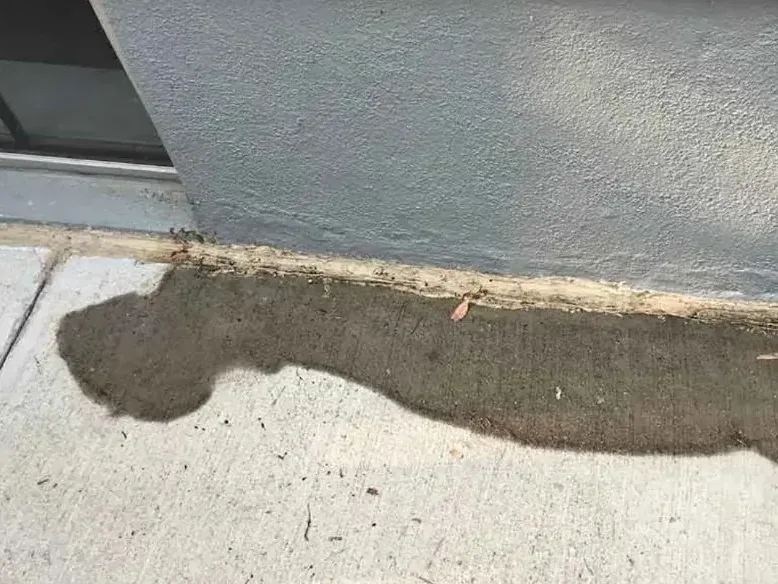
At a home in Sanger Heights, a slow drying corner can point to trapped moisture, limited airflow or continued water entry. Adding equipment without inspecting those possibilities may leave the underlying problem unchanged. The assessment should revisit the source repair and assembly access when the expected material response is not appearing in repeat checks.
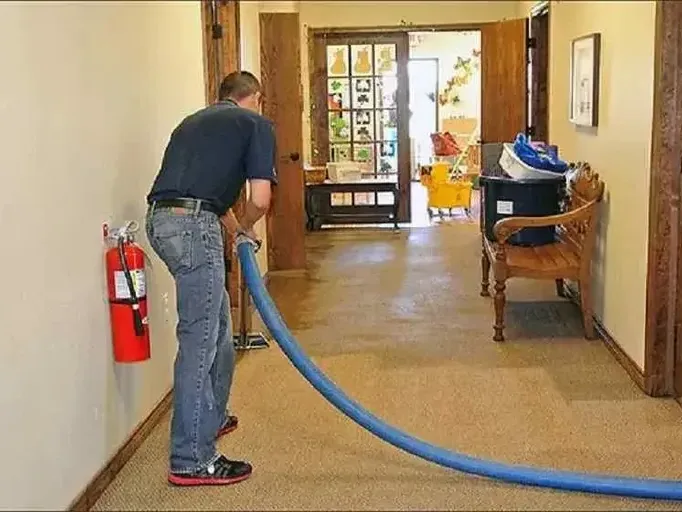
Water extraction is useful before evaporation when accessible liquid remains. A continuing pinhole pipe leak requires source correction before the cavity can recover. Drying works as part of that sequence: remove reachable liquid, address damaged layers and then manage moisture within the retained material.
Completion should be explained in terms of the assemblies checked, the reference conditions and any limits on access. A room air reading cannot stand in for a measurement of wet framing behind a finish. With the final material record established, the owner and repair trade can plan closure and replacement work around the condition of the building itself.