A repaired pipe still leaves wet layers
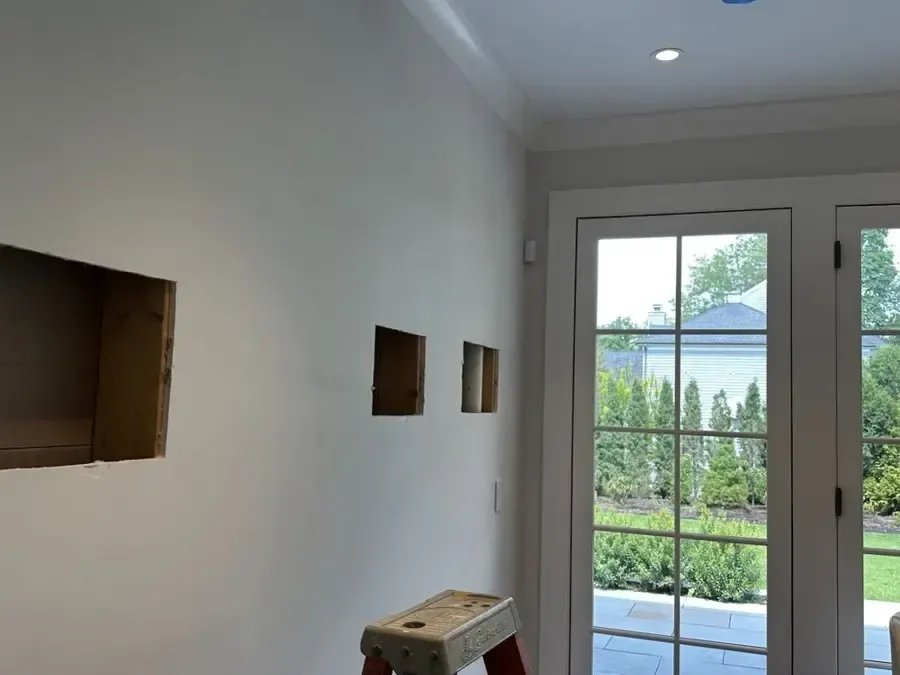
The plumber resolves the copper defect. Restoration then addresses what the leak left behind, including any wet insulation or damaged finish that prevents access to retained framing. At a home in Cedar Ridge, the opening should follow the measured moisture boundary and material condition. Its size cannot be set by the small diameter of the pipe hole.
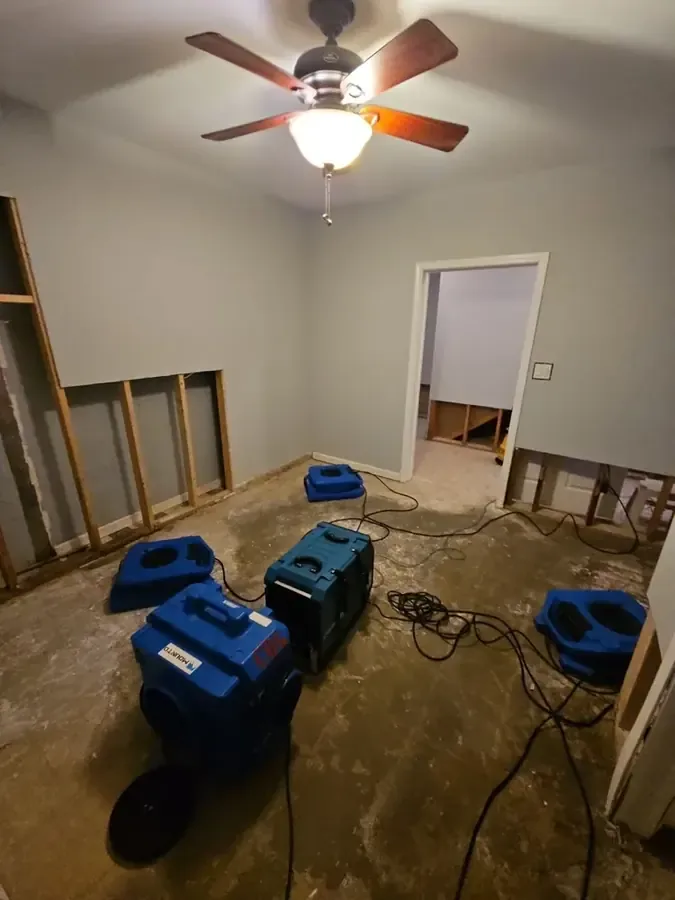
Once the source stops, the next question is how moisture will leave the assembly. Air moving across paint may have little effect on a damp enclosed cavity. Selective openings or removal can create a practical drying path. Structural drying tracks the retained material response so equipment changes reflect progress within the wall rather than only the room air.
Follow the leak into adjoining finishes
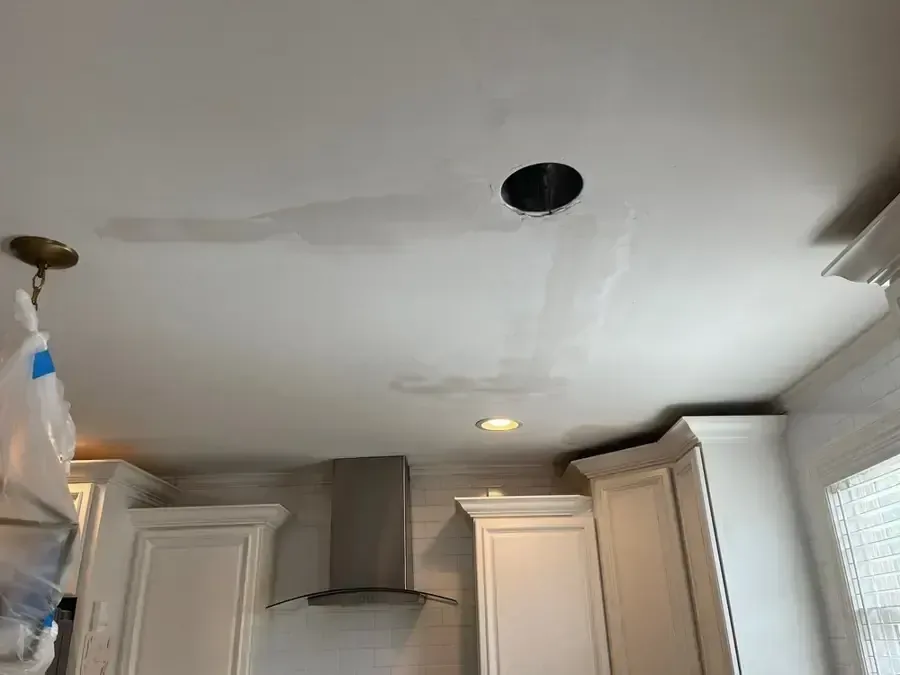
A leak discovered in Brookview may also affect a floor seam or the reverse face of a shared interior partition. These areas belong in the inspection even when they look less damaged. A second stain on the opposite side can help explain the route, while a dry comparison area helps interpret the readings taken around the repair.
Cleanup records should distinguish damage caused by the leak from the opening made to reach it. Photos before and after access make that boundary easier to understand. They also help a repair trade see which insulation, trim and wallboard were removed and which framing surfaces remained available for drying and verification.
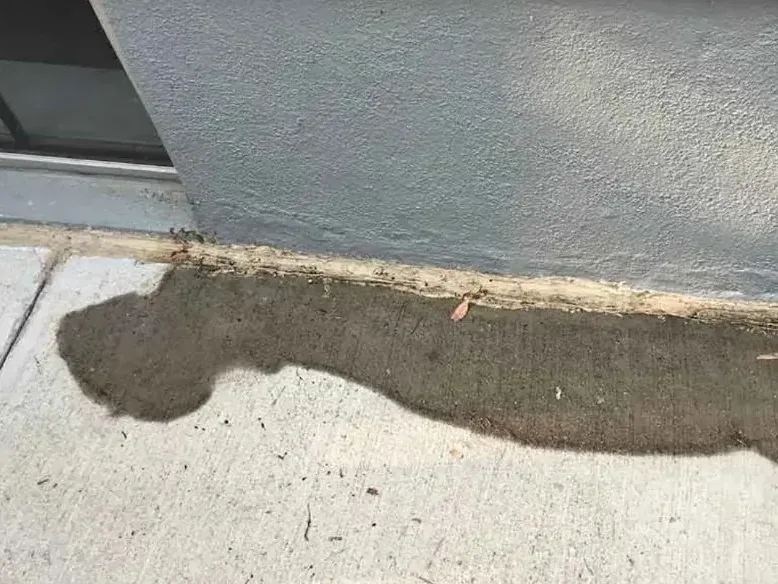
If liquid has collected at the floor, water extraction can be needed alongside cavity work. The final scope should account for that floor moisture without turning a localized wall leak into an unsupported whole house diagnosis. Each retained material needs a clear assessment, and each removed section should have an explained reason before the wall is rebuilt.