Rain entering the building

Storm Water Damage in Bellmead

Rain damage can begin at a doorway, roof opening or backed up drainage path. Bellmead storm cleanup separates those entry routes, evaluates the water condition and builds a removal plan around the affected interior.

(888) 527-9134Explain where rain entered
Entry path assessment Dirty water handling Room by room recovery
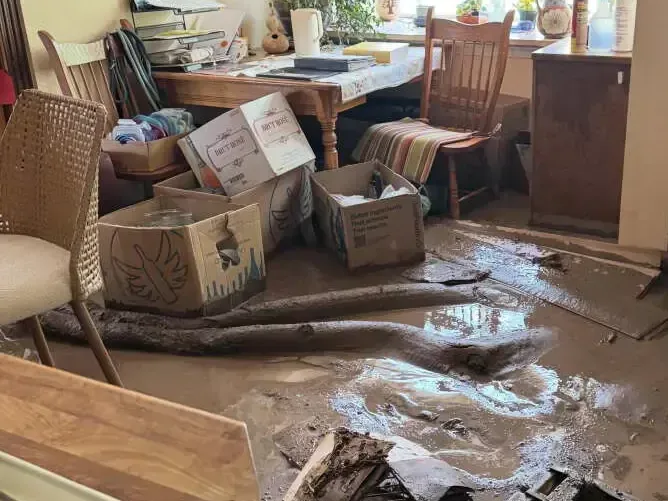
Muddy water covering a furnished room floor around boxes and chairs
Right now

First steps for storm water damage in Bellmead

  1. 1

    Wait for safe interior access

    Active flooding, wet electrical systems and damaged overhead surfaces can make entry unsafe. Occupants should remain clear until the affected rooms and access route have been assessed.

  2. 2

    Preserve the rain entry sequence

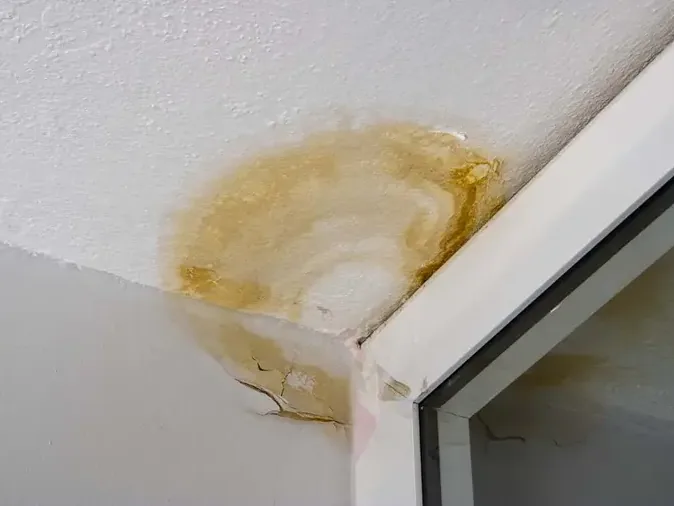
    Photographs from dry locations can record door thresholds, ceiling marks and water spread. The time of each observation helps distinguish initial entry from later movement indoors.

  3. 3

    Separate wet and dry belongings

    Contents should stay within a controlled handling plan when dirty water is involved. Carrying soaked items through unaffected rooms can spread residues beyond the original work area.

  4. 4

    Describe continuing outdoor concerns

    A property contact should note visible drainage backups or continuing rain entry for the appropriate repair or municipal report, while interior removal is planned around actual conditions.

Bellmead reported roadside ditch clearing improvements on Williams, Harrison, Concord and Parrish. That drainage work sits alongside a stormwater system of drains, channels, creeks and streams that carries runoff toward the Brazos River. When rain reaches a building's interior, the restoration assessment should identify the actual opening and wet materials so cleanup addresses what happened at that property.

Distinguish runoff from rain arriving overhead

Water crossing a threshold may bring soil and debris onto flooring. A roof entry may instead wet attic insulation and ceiling surfaces before reaching the room below. Those paths require different access and cleaning decisions. Photographs of the earliest visible entry, taken from a safe position, help preserve a sequence that can become less obvious after rainfall ends.

May 2024 brought heavy rainfall, flooding and water backups across many parts of the city. Public Works reported 15 inches of rainfall in the area. A dated event can help organize the loss timeline, while the room assessment still needs to distinguish exterior entry, a plumbing release and any wastewater involvement in the current incident.

Typical cost ranges

What does storm water damage cost in Bellmead, TX?

Bellmead storm damage ranges are $2,000 to $6,000 for a limited entry area, $6,000 to $12,000 for several contaminated rooms and $12,000 to $20,000+ for extensive interior flooding. Access, residues and affected material layers determine the proposed cleanup scope.

Limited entry area

$2,000 to $6,000
  • Assessment around entry
  • Removal from accessible wet surfaces
  • Cleaning before focused material drying

Several contaminated rooms

$6,000 to $12,000
  • Controlled contents and flooring handling
  • Cleaning across connected affected spaces
  • Additional access to concealed moisture

Extensive interior flooding

$12,000 to $20,000+
  • Broad removal of damaged components
  • Complex work routes and containment
  • Drying across multiple retained assemblies

These planning ranges vary with water category, affected floor area, material class and the delay before drying. Access and disposal also affect the scope. The water damage cost calculator allows those conditions to be compared.

Step by step

How storm water damage is handled in Bellmead

The restoration technician records the wet materials and dry comparison readings. That inspection sets the removal boundary, equipment arrangement and measurements needed before repairs begin.

  1. 1

    Identify the indoor water path

    The inspection records threshold entry, overhead staining and room spread, then separates the source repair needs from the material cleanup that follows inside the building.

  2. 2

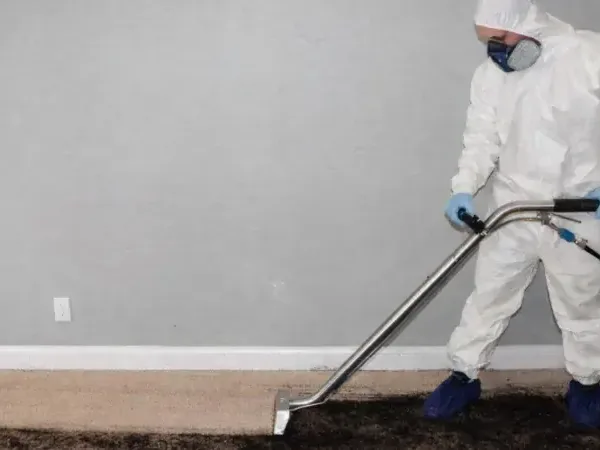
    Establish controlled removal routes

    Work boundaries and handling paths keep dirty materials away from unaffected rooms while accessible water and damaged contents are addressed in a documented sequence.

  3. 3

    Clean the retained surfaces

    Residues and contaminated components receive the appropriate treatment before equipment is positioned to dry the building materials that can remain within the restoration scope.

  4. 4

    Monitor before rebuilding finishes

    Measurements and photographs track the response of floor layers and wall edges, providing a repair handoff that explains where additional access or treatment was necessary.

Handle wet contents without spreading the mess

Dirty water should be kept separate from occupied dry rooms. Moving saturated rugs or furniture through the building can spread residues along the route. The work plan should establish a handling path, document affected possessions and determine which porous components need removal before equipment begins circulating air through the affected space.

  • Water marks around doors help trace the first entry area.
  • Floor coverings need assessment beneath their exposed top surface.
  • Cabinet toe spaces can collect sediment and trapped liquid.
  • Wall bases may remain wet after the central floor clears.
Match the remaining work to the entry route

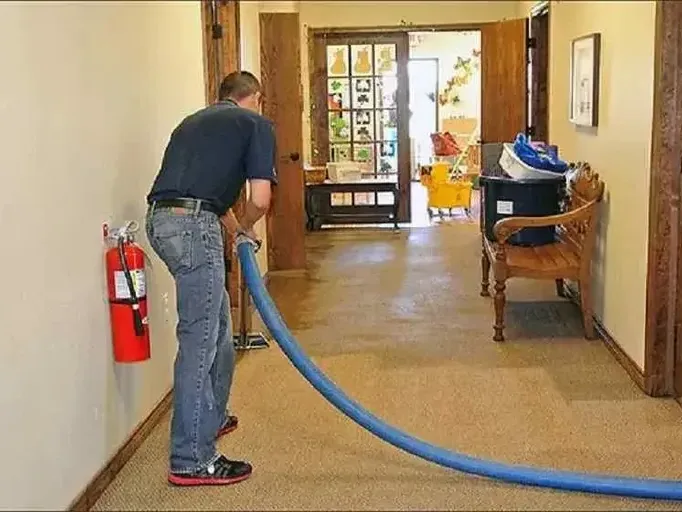
The water extraction service addresses collected liquid and access to saturated coverings. Where the source was overhead, roof leak restoration follows moisture through attic and ceiling materials. Keeping these scopes distinct makes it easier to explain why a property needs both source repair and treatment of the water left behind.

Drying begins with an assessment of the retained assembly after necessary removal and cleaning. Monitoring should focus on the wettest remaining edges, including places shielded by fixed furnishings. A room that smells cleaner or looks less muddy can still contain moisture below its finishes.

The owner should receive a record of entry observations, removed materials and drying progress. Exterior drainage concerns can be reported through the appropriate city channel, while the indoor restoration plan remains focused on making the affected building ready for its next repair stage.

Bellmead, TX service area
Service area

Storm water damage across Bellmead and nearby towns

Bellmead storm assessments serve affected properties around Williams, Harrison and Concord, with entry routes, interior access and water conditions examined at each building.

The same service nearby: storm water damage in Woodway, Lacy-Lakeview, Waco.

Water damage restoration in Bellmead · every town covered

Answers

Storm Water Damage questions in Bellmead, TX

Is water through a doorway treated like a roof drip?

The entry route affects what the water contacts and which layers become wet. Runoff may carry sediment across the floor, while roof entry can soak overhead cavities before appearing in the occupied room.

Does a drainage report replace interior cleanup?

A report about a ditch or storm drain addresses an outside concern. Water already inside the property needs its own removal, material assessment and drying plan, coordinated with any work that stops continuing entry.

Can wet rugs be carried into a dry room?

That can spread residues and moisture. The contents plan should establish a handling route and suitable holding area before soaked items move through spaces that were previously unaffected by the indoor flooding.

Why remove a baseboard after the puddle disappears?

The inspection may find moisture behind trim or inside the lower wall. An access opening can allow assessment and drying of that concealed layer when the finished surface prevents effective treatment.

Should the owner save photographs of outside water?

Safe photographs can help document timing and visible entry conditions. Interior images remain useful too, especially before extraction, contents relocation and material removal alter the original pattern of the damage.

When can flooring replacement be scheduled?

The source needs attention and the retained base needs moisture assessment before a replacement finish covers it. Drying records and material condition should support that decision rather than the surface appearance alone.

Still dealing with it?

Rain inside the building needs a clear entry assessment and a practical sequence for the affected rooms.

(888) 527-9134Discuss storm entry damage
24/7 emergency dispatch

Describe whether water entered above or below

A Bellmead cleanup scope can connect water removal, residue handling and the drying needed before damaged finishes are replaced.

(888) 527-9134Arrange rain damage assessment
(888) 527-913424/7 water damage help