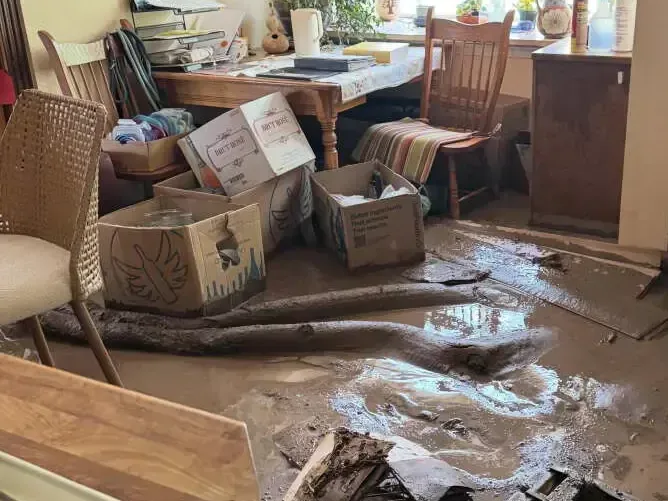
Sewage inside the property

Sewage Backup Cleanup in Bellmead

Wastewater on an indoor floor needs restricted access and controlled handling. Bellmead sewage cleanup separates the cause investigation from removal, cleaning and assessment of the porous materials reached by the backup.

(888) 527-9134Report the wastewater backup
Restricted room access Controlled contaminated material handling Cleaning before drying
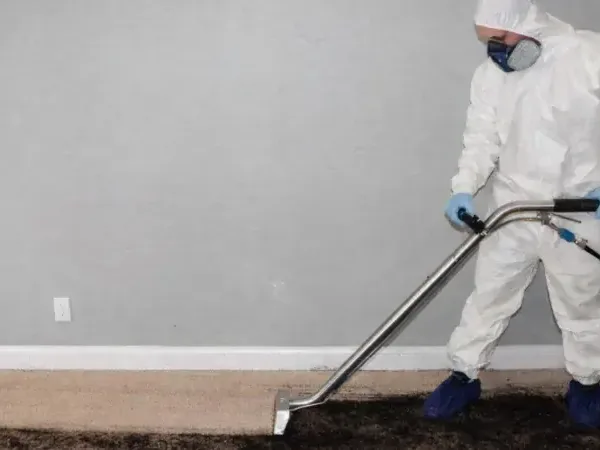
Worker in protective clothing using an extraction wand on carpeting
Right now

First steps for sewage backup cleanup in Bellmead

  1. 1

    Close access to the affected space

    Occupants should keep children, pets and routine foot traffic away from wastewater. A clear boundary helps prevent accidental contact and transfer into rooms that remain dry and unaffected.

  2. 2

    Stop adding water through fixtures

    Suspected backup conditions need plumbing assessment before affected fixtures are used again. Additional discharge can enlarge the indoor loss while the blockage or other source issue remains unresolved.

  3. 3

    Record observations from a dry position

    Photos can show the water boundary and involved fixtures without entering contamination. Discovery time, recent fixture use and any outside overflow observations help organize the incident report.

  4. 4

    Report the suspected system problem

    Utility Operations handles clogged mains and emergency overflows. The property contact should coordinate any municipal report with source investigation and the separate assessment of contaminated materials indoors.

Bellmead Utility Operations responds to clogged wastewater mains and emergency overflows. It also cleans and maintains wastewater mains and lift stations. A suspected public system problem belongs in a municipal report, while sewage already inside a building needs its own cleanup assessment. Those actions serve different needs and should be coordinated when a backup reaches occupied rooms.

Keep the affected room separate from daily activity

Wastewater can contaminate floor coverings, wall bases and belongings that contact it. Occupants should stay outside the wet area and avoid carrying affected items into clean rooms. Children and pets need a clear boundary, and a work route should be chosen before removal begins so the cleanup does not enlarge the contaminated footprint.

Running household fans across the affected floor can disperse residues before cleaning is complete. The initial plan should focus on safe access, source control and controlled removal. Porous materials require particular attention because contamination may extend beneath the surface that can be wiped or visually inspected.

Typical cost ranges

What does sewage backup cleanup cost in Bellmead, TX?

Bellmead sewage cleanup ranges are $2,500 to $6,000 for a contained room, $6,000 to $12,000 for multiple contaminated spaces and $12,000 to $20,000+ for an extensive backup loss. Material removal, controlled handling, cleaning and access requirements determine the actual work proposed.

Contained affected room

$2,500 to $6,000
  • Restricted access around affected surfaces
  • Controlled removal of indoor wastewater
  • Cleaning of suitable retained materials

Multiple contaminated spaces

$6,000 to $12,000
  • Handling routes across connected rooms
  • Additional porous material removal needs
  • Treatment along affected wall bases

Extensive backup loss

$12,000 to $20,000+
  • Broad contamination and contents assessment
  • Complex separation from occupied areas
  • Drying after removal and cleaning

These planning ranges vary with water category, affected floor area, material class and the delay before drying. Access and disposal also affect the scope. The water damage cost calculator allows those conditions to be compared.

Step by step

How sewage backup cleanup is handled in Bellmead

The restoration technician records the wet materials and dry comparison readings. That inspection sets the removal boundary, equipment arrangement and measurements needed before repairs begin.

  1. 1

    Establish the contaminated work area

    The inspection identifies wastewater contact and practical access routes, then separates the affected rooms from occupied clean spaces before equipment and material handling activities begin inside.

  2. 2

    Coordinate source and reporting information

    Plumbing findings and any municipal report remain part of the incident record while the restoration scope documents the distinct work needed on contaminated surfaces and belongings.

  3. 3

    Remove and clean in sequence

    Wastewater and unsuitable porous components are addressed under a controlled plan, followed by treatment of retained surfaces before drying equipment is introduced to the cleaned assembly.

  4. 4

    Record the condition for repairs

    Moisture observations, removal details and treatment records explain what remains in the building and support the next decisions about replacing finishes or returning affected rooms to use.

Connect source reporting with the indoor loss record

During the May 2024 heavy rain period, municipal crews worked to restore wastewater services as the city experienced water backups and flooding. For a current incident, the report should describe the observed backup, affected fixtures and timing. Plumbing investigation establishes the immediate source conditions at the property while the interior record documents where wastewater traveled.

  • Photographs should preserve the wet boundary before removal changes it.
  • A contents inventory can identify items contacted by the backup.
  • Doorways need attention where shoes or materials could spread residues.
  • Wall bottoms should be assessed where wastewater stood against them.
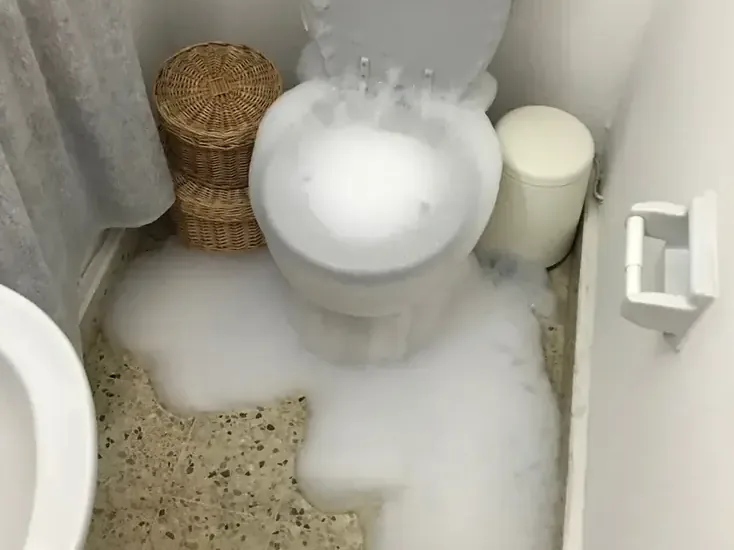
Clean retained surfaces before arranging their drying

At properties near the Civic Center, Lion's Park or Loop 340, the interior layout determines containment and handling routes. The cleanup scope should state which materials need removal and which surfaces can remain for treatment. Water extraction is one part of that process, but sewage work also requires contamination specific decisions throughout the affected area.

After suitable removal and cleaning, structural drying addresses the moisture in retained components. Equipment placement should follow that sequence rather than beginning with unrestricted airflow over the original wastewater. Repeat observations and material records provide a clearer basis for the repair stage.

The owner should retain municipal report details, plumbing findings and the interior work scope together. That record helps explain the incident without confusing public infrastructure response with the separate work performed inside the building. Finish replacement follows the condition assessment of the cleaned and dried assembly.

Bellmead, TX service area
Service area

Sewage backup cleanup across Bellmead and nearby towns

Bellmead sewage assessments include buildings near the Civic Center, Lion's Park and Loop 340, with room boundaries and contamination routes examined before removal.

The same service nearby: sewage backup cleanup in Woodway, Lacy-Lakeview, Waco.

Water damage restoration in Bellmead · every town covered

Answers

Sewage Backup Cleanup questions in Bellmead, TX

Does a municipal overflow report arrange indoor restoration?

The report addresses the suspected public wastewater issue. Indoor water, contaminated contents and affected building materials still need their own assessment and cleanup plan coordinated by the property contact for that building.

Should household fans run over the wet floor?

Airflow should wait for the controlled removal and cleaning sequence. Blowing across untreated wastewater or residues can spread contamination, so the drying setup needs to follow suitable treatment of the affected area.

Can sewage soaked carpet be handled like a fresh spill?

Wastewater contact changes the material assessment. Porous coverings and padding may retain contamination below the surface, requiring removal decisions instead of the approach used for a limited clean supply water incident.

What details should accompany the backup report?

Useful observations include the first affected fixture, discovery time and visible spread. Safe photographs and notes about continuing overflow help organize source investigation without requiring the occupant to enter the contaminated room.

Is the room ready when the water is gone?

Removal is only part of the work. Affected materials need contamination assessment and suitable cleaning, followed by moisture treatment of retained components before repair or normal occupancy decisions can be made.

Who decides which belongings can remain?

The contents assessment should consider material type, wastewater contact and practical treatment options. Items proposed for disposal should be documented so the owner can understand the decision and preserve a useful loss inventory.

Still dealing with it?

Wastewater indoors needs a controlled work area and a clear sequence from removal through cleaning and drying.

(888) 527-9134Discuss the contaminated room
24/7 emergency dispatch

Describe the backup from a dry location

Bellmead sewage cleanup planning can coordinate the interior damage assessment with source investigation and any municipal report.

(888) 527-9134Arrange wastewater damage assessment
(888) 527-913424/7 water damage help