Sewage cleanup with restricted room access

Sewage Backup Cleanup in Waco

Wastewater entering a room changes how people and belongings can move through it. Sewage cleanup restricts access, identifies affected surfaces and addresses contamination before the remaining building materials enter a drying plan.

(888) 527-9134Arrange backup cleanup
Restricted room access Controlled material removal Cleaning before drying
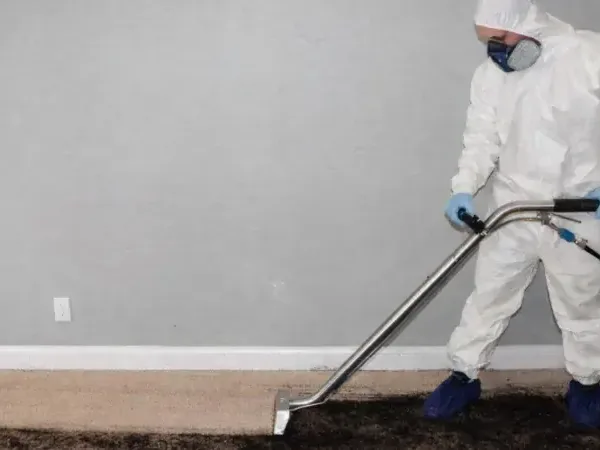
Worker in protective clothing using an extraction wand on carpeting
Right now

First steps for sewage backup cleanup in Waco

  1. 1

    Restrict the affected room

    Keep occupants and animals out of the wastewater area. A dry route should remain available so normal movement through the property does not cross the cleanup space.

  2. 2

    Limit additional drain use

    Fixture use that contributes to the backup should stop pending diagnosis. The owner can describe which drains changed without repeatedly flushing or running water to test the obstruction.

  3. 3

    Leave contaminated belongings separated

    Wet textiles and absorbent storage should not be carried into clean rooms casually. Their condition and removal route need assessment before contents handling spreads exposure beyond the original area.

  4. 4

    Record conditions without entering

    Photos from a safe dry location can document the first visible damage. Source repair notes and a list of affected belongings help organize the later restoration and replacement discussion.

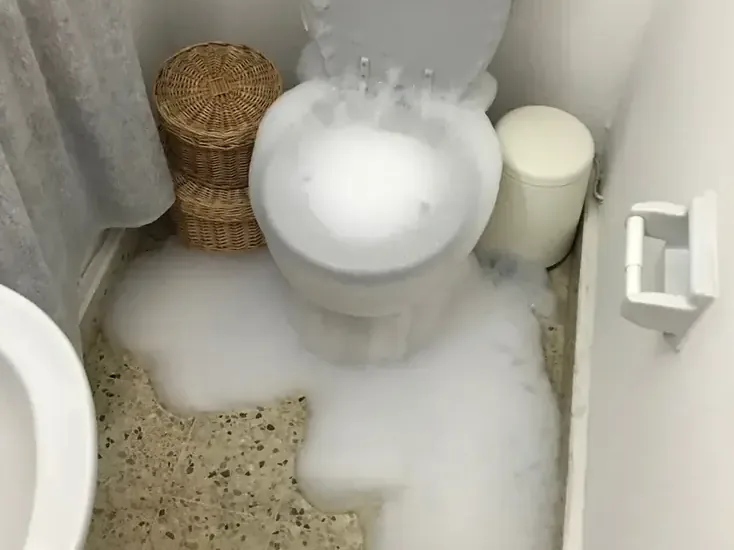
A drain backup can affect more than the floor around the first overflowing fixture. Wastewater may reach carpet edges, stored contents and the base of a wall before it stops rising. In Waco, sewage cleanup needs a controlled boundary around those exposures so routine household movement does not carry affected material into the rest of the building.

Drain diagnosis and room cleanup are separate tasks

The City of Waco provides wastewater services. A backup inside a property still needs diagnosis of the actual drainage problem. Clearing the obstruction or resolving the source does not remove wastewater from flooring and belongings. The restoration scope must account for what entered the building as well as the repair that stops another discharge.

At a home in Kendrick, the resident can report which fixture overflowed and whether other drains showed changes. A plumber can use those observations in the investigation. The cleanup boundary follows the surfaces contacted by wastewater, including less obvious edges beneath furnishings or inside a connected storage area.

Typical cost ranges

What does sewage backup cleanup cost in Waco, TX?

Sewage cleanup pricing in Waco reflects the contaminated area, porous materials requiring removal and access needed for cleaning. Connected rooms or enclosed floor edges can expand the scope. Drain repair, disposal, retained material drying and later finish replacement should be clearly described within separate estimate items.

Contained affected room

$2,500 to $6,000
  • Controlled room boundary
  • Localized wastewater removal
  • Accessible surface cleaning

Multiple contaminated spaces

$6,000 to $12,000
  • Connected exposure assessment
  • Additional porous finish removal
  • Broader retained surface treatment

Extensive backup loss

$12,000 to $20,000+
  • Complex contaminated contents handling
  • Multiple concealed access points
  • Detailed cleanup and drying records

These planning ranges vary with water category, affected floor area, material class and the delay before drying. Access and disposal also affect the scope. The water damage cost calculator allows those conditions to be compared.

Step by step

How sewage backup cleanup is handled in Waco

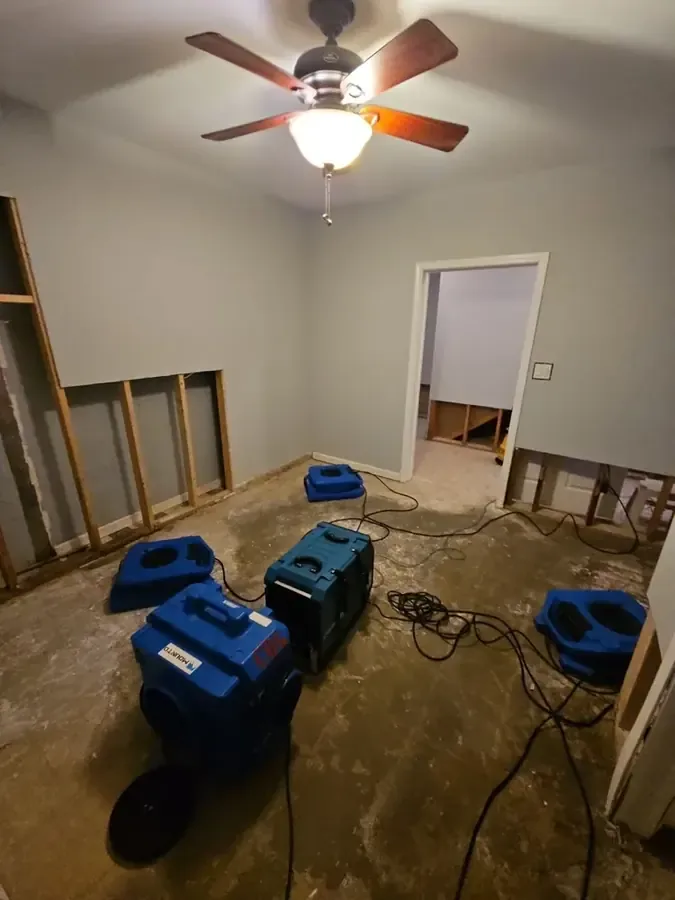
The restoration technician records the wet materials and dry comparison readings. That inspection sets the removal boundary, equipment arrangement and measurements needed before repairs begin.

  1. 1

    Define the exposure area

    The assessment identifies the wastewater source and contacted materials. Occupied dry spaces are separated from work routes so access and removal can proceed under a controlled plan.

  2. 2

    Remove liquid and affected layers

    Wastewater recovery and porous material decisions address the exposure before drying. The removal record identifies where contamination reached beyond the most obvious overflow area around the fixture.

  3. 3

    Clean the retained assembly

    Accessible surfaces receive appropriate cleaning after affected layers are removed. Enclosed edges are checked so the treatment boundary includes the actual route of wastewater through the room.

  4. 4

    Document recovery and remaining work

    Material readings support drying of retained assemblies. The final record connects the source repair status, cleaning scope and moisture condition with the next decisions about rebuilding and access.

Keep affected material away from occupied rooms

In Alta Vista, a backup that reaches a hall can interrupt the usual route through the home. Access planning should protect the dry living area and establish how materials will leave the property. Affected porous finishes may require removal. Drying them in place before addressing contamination can leave the underlying cleanup problem unresolved.

  • Children and pets should stay outside the affected space.
  • Wet shoes and belongings can transfer residue into dry rooms.
  • Carpet padding and absorbent storage need separate handling decisions.
  • Ordinary fans should wait until cleaning conditions are established.

Cleaning prepares retained surfaces for recovery

A property in East Riverside may need careful access around wall bases or cabinet edges where wastewater collected. Removal exposes the surfaces that can be cleaned and assessed for retention. The work should identify inaccessible compartments rather than treating a wiped floor as completion of the whole room.

Water removal is part of the process, but the handling method must suit the sewage exposure. After appropriate removal and cleaning, retained building materials can enter controlled structural drying. Measurements then address moisture recovery within those materials instead of replacing the need for contamination treatment.

The owner needs a record of the source response, affected rooms, material disposal and cleaning work. Final drying notes should identify what remained and how its condition was evaluated. That documented sequence supports decisions about rebuilding and occupancy, with any remaining access or source issue clearly distinguished from the work already completed.
Waco, TX service area
Service area

Sewage backup cleanup across Waco and nearby towns

Waco sewage backup restoration addresses wastewater affected interiors, including controlled access, material removal, surface cleaning and subsequent drying of recoverable accessible building components.

The same service nearby: sewage backup cleanup in Woodway, Bellmead, Lacy-Lakeview.

Water damage restoration in Waco · every town covered

Answers

Sewage Backup Cleanup questions in Waco, TX

Is a cleared drain enough to use the room?

Clearing the drain addresses the source problem. Wastewater already on surfaces and inside porous materials still needs cleanup. The room should remain controlled until the exposure, material handling and remaining conditions have been assessed.

Can carpet padding exposed to sewage remain?

Absorbent layers need evaluation for removal because contamination can penetrate them. Surface extraction alone does not resolve that exposure. The cleanup plan should explain how carpet, padding and the floor beneath are being handled.

Should fans be used to reduce the smell?

Ordinary air movement across contaminated material is not a substitute for removal and cleaning. The affected space needs a treatment plan before drying equipment circulates air through the prepared area and retained assemblies.

Who determines why the backup happened?

The drainage investigation belongs to the appropriate plumbing or utility response for the actual source. Restoration records the resulting interior exposure and coordinates cleanup with the source investigation and the repair responsibilities identified through it.

Can wet belongings be moved into a bedroom?

Moving contaminated items into a clean room can spread exposure. Contents should be separated and assessed with a planned handling route. Items that remained dry need protection from the affected materials and work area.

What supports the decision to rebuild?

The record should show affected material removal, cleaning of retained surfaces and the moisture condition after drying. Source correction and any unresolved access limitations also matter before replacement finishes conceal the treated assembly.

Still dealing with it?

A wastewater backup needs a controlled cleanup boundary before ordinary movement or drying resumes in the affected room.

(888) 527-9134Assess the sewage exposure
24/7 emergency dispatch

Remove contamination before room recovery

Describe the overflowing fixture, affected finishes and any connected rooms so the initial assessment can define the exposure area.

(888) 527-9134Discuss controlled backup cleanup
(888) 527-913424/7 water damage help