Small opening, hidden water spread

Copper Pinhole Leak Water Damage in Robinson

A tiny opening in copper can keep a cavity damp long before a stain becomes obvious. Cleanup follows the escaping water through insulation, wall bases and adjoining finishes after the pipe defect is located.

(888) 527-9134Trace the concealed wet cavity
Cavity moisture assessment Selective finish access Pipe repair handoff
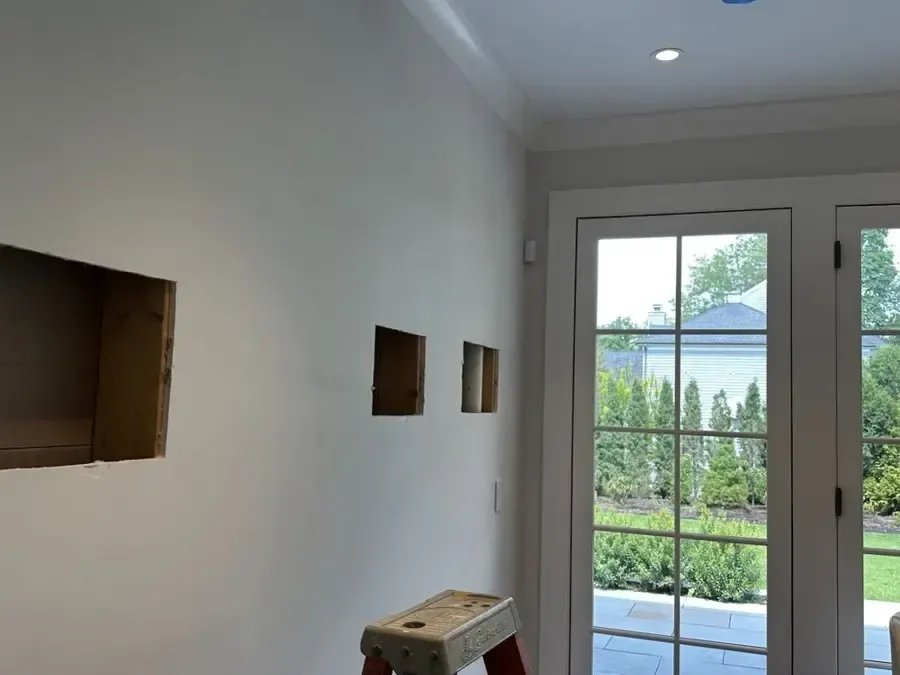
Rectangular openings exposing wall cavities beside a glazed exterior door
Right now

First steps for copper pinhole leak water damage in Robinson

  1. 1

    Notice recurring changes

    Record where the stain returns, whether trim swells and when the area first felt damp. These observations help direct inspection toward the cavity carrying water behind the finish.

  2. 2

    Stop the supply release

    Arrange evaluation of the suspected copper defect and safe isolation of the affected supply. Avoid removing wall material around electrical fixtures while the source and hazards remain unclear.

  3. 3

    Clear access to the partition

    Move dry reachable furnishings away from the complaint area. Leave damaged finishes available for assessment and avoid applying paint or sealing products before hidden moisture has been checked.

  4. 4

    Plan cavity cleanup

    Request an explanation of proposed openings, insulation removal and retained framing checks. Coordinate the pipe repair with restoration so the exposed space remains accessible during the drying work.

The diameter of a pipe opening says little about the amount of building material that has become wet. A slow spray can keep feeding insulation or run down the back of a wall where it remains out of sight. For a Robinson home, a successful cleanup starts with the diagnosed pipe defect and follows the damp cavity beyond the stain that brought the problem to attention.

Read the stain as an inspection starting point

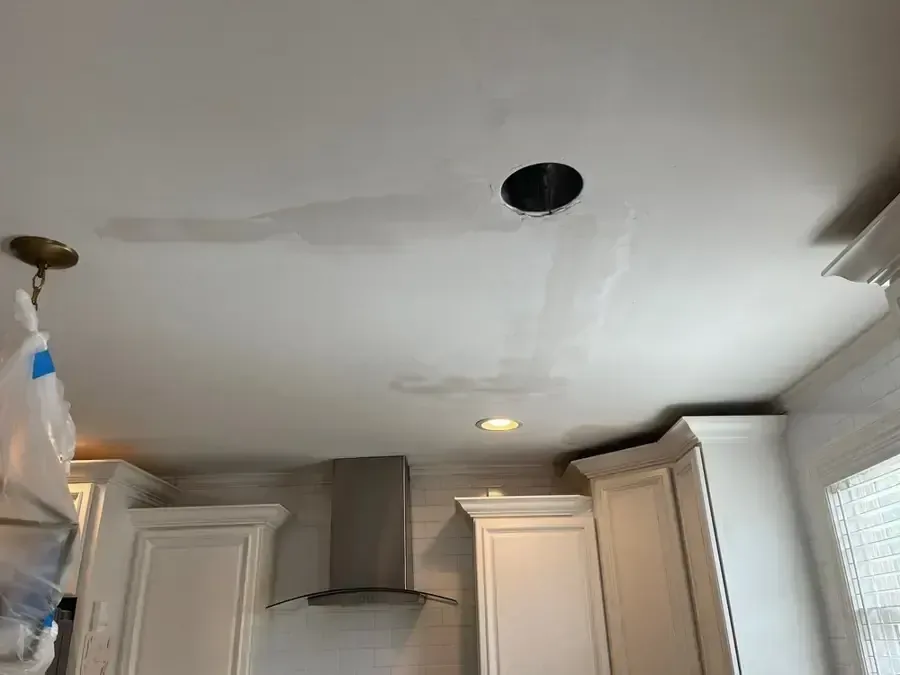
Paint may bubble at the lowest wet point rather than directly opposite the leak. Trim can conceal water at the floor junction, and furnishings may hide a second affected patch. Inspection needs access to those edges before a limited cosmetic repair is chosen. The goal is to understand the connected materials rather than simply cut around the visible discoloration.

  • Record changes in paint, wallpaper and nearby wood trim.
  • Look behind reachable furnishings without disturbing unsafe wall sections.
  • Check the adjoining room when both share the wet partition.
  • Include the floor edge where dripping water could collect.
Typical cost ranges

What does copper pinhole leak water damage cost in Robinson, TX?

For Robinson properties, pinhole leak cleanup costs rise when moisture reaches beyond an accessible cavity. The ranges reflect wall and floor involvement, not the size of the copper opening alone. A written proposal should identify access work and separate the plumbing repair.

Small cavity

$1,000 to $2,500
  • Localized wall opening assessment
  • Limited damp insulation handling
  • Accessible framing drying checks

Wall and adjoining floor

$2,500 to $4,500
  • Moisture below the partition
  • Affected trim and flooring
  • Connected materials requiring access

Several concealed areas

$4,500 to $9,000
  • Spread through multiple cavities
  • More extensive selective removal
  • Additional retained material monitoring

These planning ranges vary with water category, affected floor area, material class and the delay before drying. Access and disposal also affect the scope. The water damage cost calculator allows those conditions to be compared.

Step by step

How copper pinhole leak water damage is handled in Robinson

The restoration technician records the wet materials and dry comparison readings. That inspection sets the removal boundary, equipment arrangement and measurements needed before repairs begin.

  1. 1

    Establish the hidden route

    The assessment follows staining, damp edges and material readings to locate the cavity boundary and identify neighboring surfaces needing additional inspection before finishes are opened.

  2. 2

    Expose affected components

    Selective access supports the plumbing correction and reveals materials requiring removal. The proposed openings are explained in relation to the observed damage and practical drying needs.

  3. 3

    Track cavity moisture

    Drying conditions are adjusted around retained framing and adjoining surfaces. Progress checks focus on the locations that absorbed water rather than the appearance of fresh openings.

  4. 4

    Release the wall for closure

    Final notes describe the exposed assembly, removed materials and remaining patch work, allowing the finish contractor to rebuild around the documented condition after the source repair.

Open the cavity with a clear purpose

At a property in Fain Estates, the arrangement of closets and built in storage may determine which side of a partition gives practical access. The inspector should explain which opening supports pipe repair and which exposes damaged material for removal or drying. Saturated insulation can block airflow to framing, while a sealed wall finish can conceal persistent dampness after the source stops.

Robinson is in McLennan County, and the city utility department maintains water and wastewater services. Within the property, the plumber's findings identify the actual failed component. Keep the pipe description with the restoration record so the owner can distinguish correction of the leak from recovery of the wet room. Neither task is complete merely because the exposed wall looks tidier.

Prevent a cosmetic patch from hiding moisture

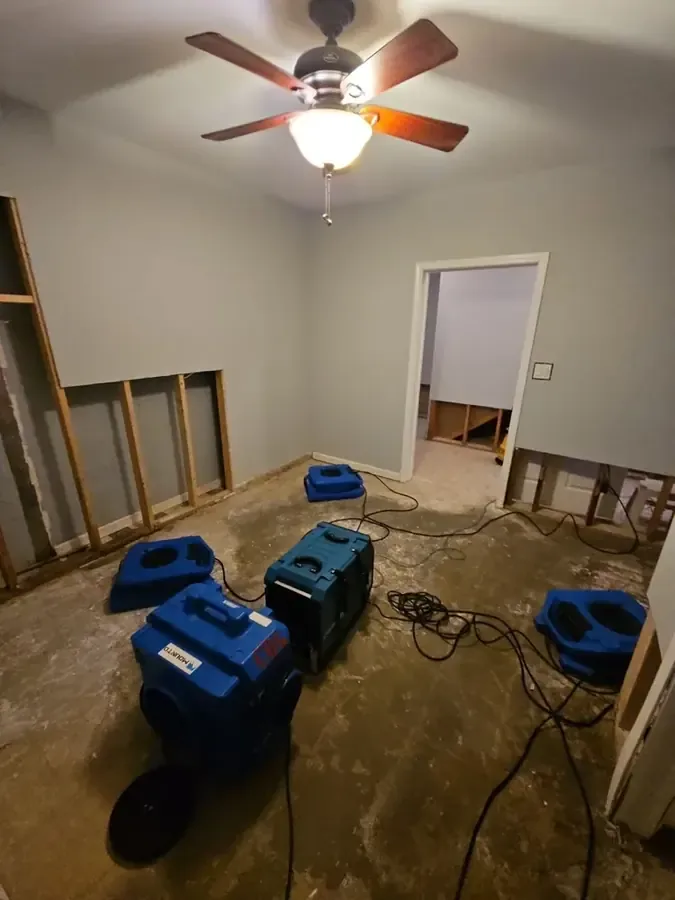
The cavity should remain available for appropriate checks while retained framing dries. Air movement needs a workable path through the affected area, and humidity control removes moisture released into the room. The structural drying service addresses this stage when a wall opening has revealed wet components beyond the initial stain.

Repair planning also considers the floor below the leak. Water reaching underlayment or a cabinet base may call for additional access even when the copper repair was small. Compare the wet area with surrounding dry material and record changes during the drying effort. A repeated damp reading deserves investigation before closure.

The Robinson restoration overview connects cavity cleanup with other affected areas. Keep photographs of the opened wall, removed insulation and pipe repair. These details make the eventual patch and finish work easier to define, particularly when the original stain no longer shows the full loss.

Robinson, TX service area
Service area

Copper pinhole leak water damage across Robinson and nearby towns

Concealed copper leak cleanup serves Robinson homes, including Fain Estates, with attention to shared partitions, cabinet obstructions and wet floor edges beneath the defect.

The same service nearby: copper pinhole leak water damage in Woodway, Hewitt, Waco.

Water damage restoration in Robinson · every town covered

Answers

Copper Pinhole Leak Water Damage questions in Robinson, TX

Can a tiny pipe hole soak an entire wall?

A continuing release can feed a cavity over time, wetting insulation and allowing water to collect below. The affected area depends on the route and duration, so the wall needs inspection beyond the pipe opening.

Will repairing the copper dry the cavity?

Source repair prevents more water entering, but absorbed moisture remains in the building materials. The cavity may need removal of damaged components, directed airflow and moisture control before it is ready for closure.

Why check the opposite side of the partition?

A shared cavity can affect finishes facing either room. Testing accessible surfaces on both sides helps identify the spread and select useful access points without treating the first visible stain as the entire loss.

Should the stain be painted immediately?

Painting can conceal a useful indicator while underlying moisture remains. Document the mark and have the source and material condition assessed before cosmetic work, especially when the patch keeps changing or returning.

Does every wet cavity require extensive demolition?

Access depends on damage and the ability to dry retained components. The scope should explain individual removal decisions, including insulation that obstructs drying, rather than assume every nearby wall surface needs replacement.

What shows that the hidden area is improving?

Material readings and observations at consistent locations reveal drying progress. If moisture remains at a floor junction or enclosed pocket, the plan should address that specific area before new wall material covers it.

Still dealing with it?

A returning wall stain calls for a cavity assessment that connects the pipe defect with hidden material damage.

(888) 527-9134Assess the recurring wall stain
24/7 emergency dispatch

Explain the stain and nearby finish changes

Arrange a cleanup scope covering access, affected insulation and drying checks before the repaired wall is closed and painted again.

(888) 527-9134Plan concealed leak recovery
(888) 527-913424/7 water damage help