One water route can cross unit boundaries

Condo and Townhome Water Damage in Waco

A stain inside one residence can originate in another unit or a shared assembly. Condo restoration connects the source investigation, access permissions and moisture records so each affected space receives attention within a coordinated cleanup plan.

(888) 527-9134Plan access between units
Cross unit documentation Shared assembly access Occupant coordination
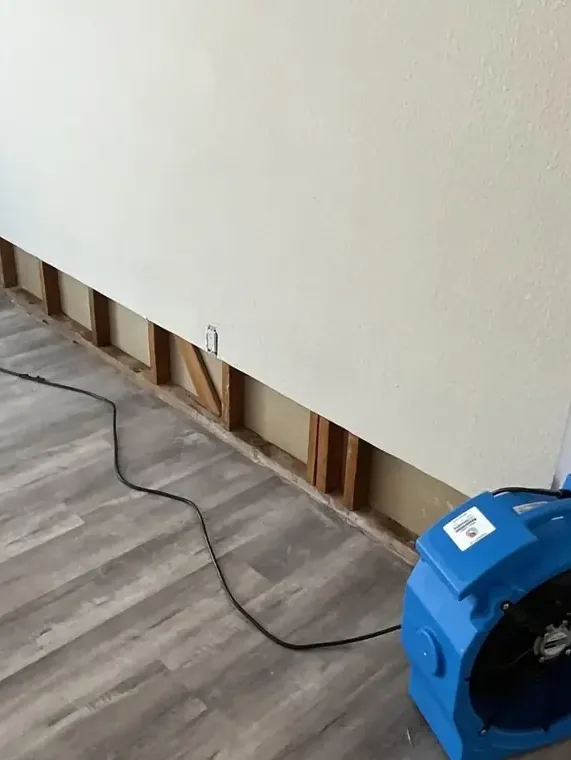
Blue air mover beside exposed studs along an opened lower wall
Right now

First steps for condo and townhome water damage in Waco

  1. 1

    Notify the responsible property contacts

    The occupant should report the visible damage to the owner or manager and describe the suspected source location. Clear notification helps coordinate inspection of adjoining units and shared areas.

  2. 2

    Keep unit observations separate

    Room photographs and discovery notes should identify where they were taken. Distinguishing each residence prevents a source photo from being confused with damage documented in a different affected space.

  3. 3

    Arrange authorized access

    The assessment may need entry above, beside or behind the first damaged surface. Access permission should specify the available rooms and any occupant restrictions that affect inspection or equipment placement.

  4. 4

    Protect safe shared movement

    Halls and entry routes need consideration when hoses or materials move through the building. A defined work route helps separate the cleanup from occupied areas that remain dry and usable.

The first person to see a ceiling stain may not control the fixture that caused it. In Waco, condo and townhome water damage needs a practical way to connect those spaces. The restoration assessment follows the physical water route, while the owner, manager and other involved parties arrange entry and establish who can authorize the necessary work.

Access is part of the drying problem

For a residence in Brookview, a wet shared wall may require inspection from more than one room or unit. One side can appear dry while moisture remains within the assembly. Coordinating access early gives the inspection a fuller picture and helps prevent the repair boundary from stopping at an administrative boundary that water has already crossed.

Reports should identify the unit where water first appeared, the suspected source space and any common area involved. Photos should remain tied to their actual room so records from different residences are not mixed. That distinction is useful for repair estimates, occupant communication and the later explanation of what each work area required.

Typical cost ranges

What does condo and townhome water damage cost in Waco, TX?

Condo water damage costs in Waco depend on the wet assemblies and access across affected spaces. Coordinating several residences can require more documentation and equipment planning than a contained unit area. Association obligations, insurance decisions and source repairs should be distinguished from the physical cleanup estimate.

One affected unit area

$1,500 to $4,500
  • Focused interior moisture mapping
  • Accessible material treatment
  • Unit specific drying record

Shared assembly loss

$4,500 to $9,000
  • Connected cavity assessment
  • Coordinated access openings
  • Shared moisture monitoring

Multiple unit spaces

$9,000 to $16,000
  • Several occupant access arrangements
  • Broader wet material scope
  • Separate room completion records

These planning ranges vary with water category, affected floor area, material class and the delay before drying. Access and disposal also affect the scope. The water damage cost calculator allows those conditions to be compared.

Step by step

How condo and townhome water damage is handled in Waco

The restoration technician records the wet materials and dry comparison readings. That inspection sets the removal boundary, equipment arrangement and measurements needed before repairs begin.

  1. 1

    Connect reports to the water route

    Reports are compared with moisture findings. The assessment identifies where source investigation and adjoining unit entry are needed to understand the event.

  2. 2

    Set permissions and work boundaries

    Owners or managers arrange the required access before openings and equipment placement. Each work area is documented so occupants understand which rooms are affected and how movement will be managed.

  3. 3

    Treat the connected assemblies

    Extraction, removal and drying follow the materials reached by water. Shared walls and overhead layers are assessed as connected assemblies while the records preserve the identity of each unit space.

  4. 4

    Issue a coordinated repair handoff

    Final readings and source repair notes are organized by location. The handoff identifies completed work, accessible retained materials and remaining repair needs so closure can proceed with a clear shared record.

Keep source repair and responsibility discussions distinct

In Landon Branch, an upper fixture leak may require plumbing access in one residence and ceiling cleanup below. The source needs prompt correction, and wet materials need assessment even while responsibility questions are being reviewed. The restoration scope should describe observable conditions and proposed work without deciding policy coverage or association obligations.

  • Entry permission should identify the rooms available for inspection.
  • Photos need a clear connection to the affected unit.
  • Shared cavities can require access from adjoining spaces.
  • Equipment routes must preserve safe movement for occupants.
Verify the assembly across the repair boundary

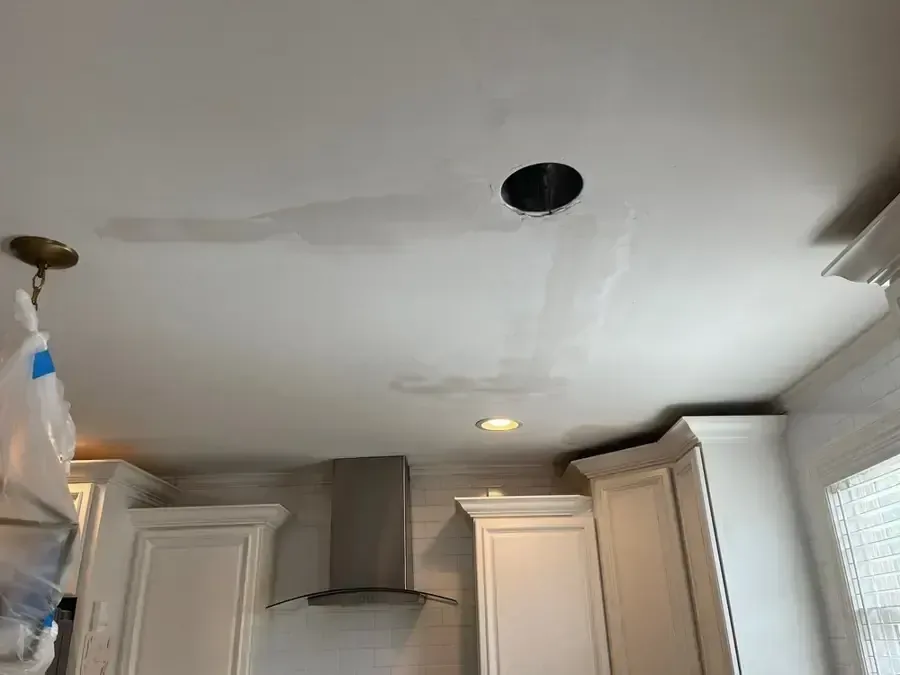
At a property in Parkdale, ceiling leak cleanup may reveal insulation or framing shared by the wet ceiling and the floor above. The removal plan should account for the assembly and coordinate any required construction assessment before closure. Each layer overhead needs its own condition assessment before the lower ceiling receives a patch.

Structural drying then tracks retained material conditions at identified locations. Equipment noise, electrical use and room restrictions need an understandable arrangement for the people occupying the building. A documented access schedule allows monitoring to continue without relying on a different informal entry arrangement at every visit.

The completion package should show the source repair status, work performed in each space and remaining repair requirements. Separate unit records can still describe one connected water event. That approach helps the owner and manager coordinate finishing work while maintaining a clear explanation of the moisture conditions supporting closure in each affected assembly.

Waco, TX service area
Service area

Condo and townhome water damage across Waco and nearby towns

Waco condo and townhome restoration coordinates affected unit interiors and accessible shared assemblies, with location specific records and entry arrangements for connected water damage.

The same service nearby: condo and townhome water damage in Woodway, Bellmead, Lacy-Lakeview.

Water damage restoration in Waco · every town covered

Answers

Condo and Townhome Water Damage questions in Waco, TX

Does the unit with the stain always contain the source?

No. Water can travel from another residence or a shared assembly before becoming visible. The inspection needs access to the likely route so source correction and interior cleanup address the same event.

Who decides responsibility for the repair costs?

Owners, managers, associations and insurers assessment the applicable documents and circumstances. The restoration assessment records physical damage and proposed work. It should keep those observations distinct from decisions about coverage or contractual responsibility.

Can drying proceed with access to only one side?

The available access may limit what can be inspected or treated. The scope should explain that limitation and whether another opening or unit entry is required to reach moisture within the shared assembly.

How should different unit photographs be organized?

Each image should remain associated with its room and residence, including source photos and material removal records. Clear location labels help the owner or manager understand the sequence without mixing damage from separate spaces.

What about equipment in a shared hallway?

Equipment and hose routes need an access plan that preserves safe movement and accounts for occupied areas. Placement should be coordinated with the building contacts before cleanup creates an obstruction in a common route.

What is needed before the ceiling is closed?

The source should be addressed and retained materials evaluated for moisture recovery. Shared assembly repair requirements also need coordination. The final record should identify what was checked and any inaccessible area still affecting the closure decision.

Still dealing with it?

Water crossing a unit boundary needs coordinated access and records that connect the source with each affected interior space.

(888) 527-9134Assess the connected unit damage
24/7 emergency dispatch

Clear records for shared building assemblies

Describe the wet room, any suspected source above or beside it and the property contact arranging entry to adjoining spaces.

(888) 527-9134Discuss multiunit cleanup access
(888) 527-913424/7 water damage help