A wet surface overhead

Ceiling Leak Water Damage in Bellmead

A ceiling mark can come from plumbing above, roof entry or another wet assembly. Bellmead ceiling restoration first separates the overhead safety concern from the source investigation, then assesses the materials behind the visible finish.

(888) 527-9134Describe the ceiling damage
Source above the stain Controlled ceiling access Connected wall inspection
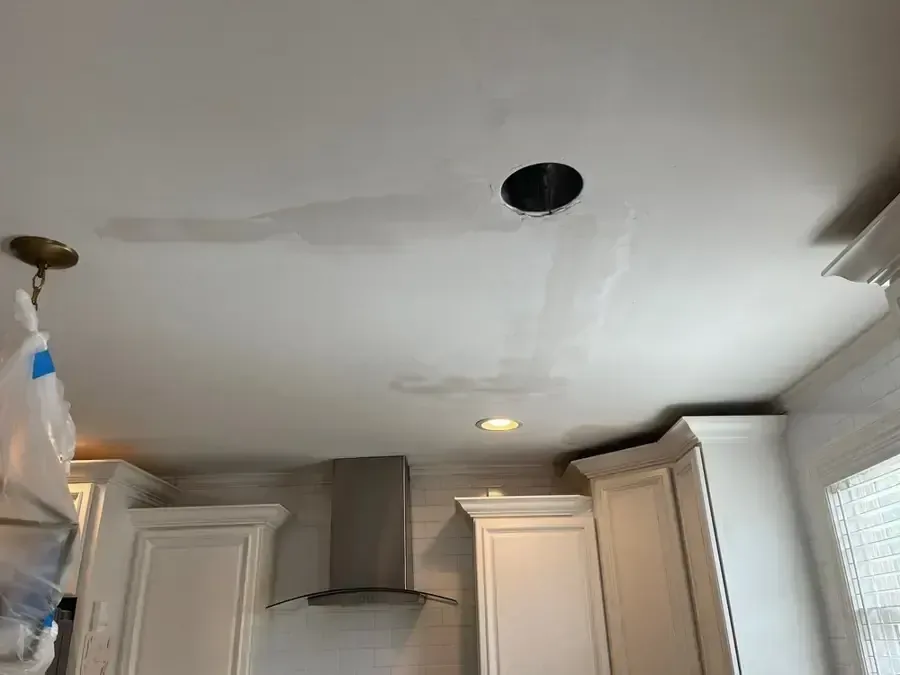
Discolored kitchen ceiling with an open light fitting above cabinets
Right now

First steps for ceiling leak water damage in Bellmead

  1. 1

    Keep the area beneath it vacant

    Occupants should avoid a bulging ceiling, loose material or dripping fixture. Safe access needs assessment before belongings are collected or any attempt is made to contain drips.

  2. 2

    Note what preceded the stain

    The first observation should include recent rain, fixture use or a plumbing incident. This sequence helps direct the source investigation without guessing from the shape of the mark.

  3. 3

    Document the connected room edges

    From a safe location, photographs can show ceiling joints and upper wall corners as well as the central stain. Those edges may help explain concealed moisture movement.

  4. 4

    Coordinate access above and below

    The property contact should identify locked rooms or occupied spaces around the suspected cavity so inspection and selective opening can be planned with the appropriate access arrangements.

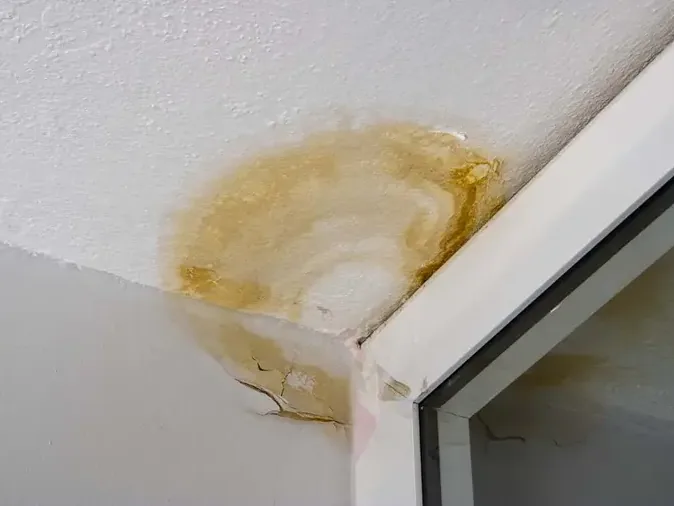
A brown ring on the ceiling is a visible symptom, while the source may be hidden above the room. Water can spread across the back of board or collect in insulation before the first drip appears. Bellmead ceiling leak assessment begins with safe access below the damaged area and a clear account of what was happening when the stain first changed.

Consider the source without standing beneath the damage

A stain that changes during household water use suggests a different inspection sequence from one that appears after rain. Bellmead provides municipal water service, and its utility guidance identifies broken pipes and running toilets as possible reasons for unusually high bills. Those observations can help frame a plumbing inquiry, while roof entry needs its own source assessment.

Sagging board, falling debris or water around a fixture makes the room an overhead hazard area. Occupants should stay clear and leave opening or draining the ceiling to an appropriate professional. The overhead material needs its own stability assessment before occupants return, even when a container has collected the visible drips.

Typical cost ranges

What does ceiling leak water damage cost in Bellmead, TX?

Bellmead ceiling damage ranges are $1,000 to $3,500 for a contained cavity, $3,500 to $7,000 for ceiling and wall junctions, and $7,000 to $12,000 for several connected rooms. Safe overhead access, wet insulation and the extent of retained moisture influence the proposed work.

Contained ceiling cavity

$1,000 to $3,500
  • Assessment behind the visible stain
  • Localized opening for material access
  • Drying checks around the cavity

Ceiling and wall junctions

$3,500 to $7,000
  • Inspection along adjoining upper walls
  • Removal of affected overhead components
  • Equipment reaching connected wet surfaces

Several connected rooms

$7,000 to $12,000
  • Overhead access across multiple spaces
  • Coordinated contents protection and handling
  • Monitoring beyond the initial opening

These planning ranges vary with water category, affected floor area, material class and the delay before drying. Access and disposal also affect the scope. The water damage cost calculator allows those conditions to be compared.

Step by step

How ceiling leak water damage is handled in Bellmead

The restoration technician records the wet materials and dry comparison readings. That inspection sets the removal boundary, equipment arrangement and measurements needed before repairs begin.

  1. 1

    Examine overhead stability and source

    The inspection addresses safe room entry and gathers plumbing or roof findings, identifying the likely source path before an access opening is selected for the ceiling.

  2. 2

    Expose the affected cavity

    Controlled access allows direct assessment of insulation, board and framing, with photographs documenting what the finished surface previously concealed and which materials cannot remain.

  3. 3

    Reach the retained wet surfaces

    The drying approach follows accessible framing and ceiling edges, while adjoining walls receive attention where measurements indicate that moisture has traveled beyond the original stain.

  4. 4

    Confirm the repair handoff

    Recorded observations and source repair information explain the condition of the cavity before replacement materials close it and the room's ceiling finish is restored.

Assess the cavity and the adjoining wall together

Once access is safe, the inspection should follow moisture to the ceiling perimeter and any connected partition. A localized opening can reveal wet insulation or framing that extends beyond the visible mark. The work scope should explain where access is necessary and which damaged components need removal instead of a cosmetic patch.

  • Ceiling joints can carry water beyond the first stained panel.
  • Upper wall corners may remain damp after dripping stops.
  • Insulation can shield moisture from airflow in the room below.
  • Fixtures and electrical components need separate safety evaluation when wet.

For a property near Connally High School, Brame Park or the Civic Center, access planning should consider occupied rooms beneath the wet cavity. Photos and room labels make it easier to coordinate overhead work while keeping unaffected areas usable and belongings away from the opening.
Rebuild after the concealed assembly is ready

A bathroom leak assessment may be appropriate when a fixture above is involved. If rainfall supplies the source, roof leak cleanup connects the interior work with the exterior repair. The ceiling scope should keep that source information beside the moisture findings so both parts of the incident remain clear.

Drying equipment needs access to the materials that remain wet. Measurements at the opening and adjoining edges track the response before new insulation or board covers the cavity. The final record should distinguish removed finishes from retained framing and note the conditions supporting closure.

Repairing the painted surface is the last visible step. The more consequential decisions happen earlier, when the source is addressed and the hidden material condition is assessed.

Bellmead, TX service area
Service area

Ceiling leak water damage across Bellmead and nearby towns

Ceiling damage assessments in Bellmead include buildings near Connally High School, Brame Park and the Civic Center, with occupied areas below considered first.

The same service nearby: ceiling leak water damage in Woodway, Lacy-Lakeview, Waco.

Water damage restoration in Bellmead · every town covered

Answers

Ceiling Leak Water Damage questions in Bellmead, TX

Should a homeowner puncture a bulging ceiling?

No. A weakened overhead assembly can release water and material unexpectedly. The room should remain restricted while an appropriate professional evaluates safe access and the method for addressing the saturated components.

Can a ceiling leak begin in a neighboring room?

Water can travel along framing, pipes or joints before appearing below. The source investigation should examine connected assemblies rather than assuming the mark sits directly beneath the original entry point.

Is the ceiling safe once dripping stops?

A ceiling that has stopped dripping still needs assessment of the board, supports and any wet electrical components. Occupants should stay outside the affected area until its overhead condition and safe access are evaluated.

Why inspect the upper wall corners?

Moisture can spread from the ceiling cavity into the adjoining partition. Readings and visual checks at those corners help define whether the damage is contained overhead or needs access along the wall too.

Does a stain always require board replacement?

Material condition, contamination and access requirements drive that decision. Sound components may be retained for drying, while softened or distorted board may need removal before the remaining assembly can be treated effectively.

What information helps schedule the finish repair?

The repair contact needs the source status, locations of openings and moisture findings for retained components. These details show which areas are ready for closure and which still require treatment or inspection.

Still dealing with it?

An overhead stain needs a source explanation and an assessment behind the painted surface.

(888) 527-9134Discuss ceiling cavity conditions
24/7 emergency dispatch

Describe the stain without entering below it

Bellmead ceiling restoration can coordinate safe access, material decisions and drying before the room receives new finishes.

(888) 527-9134Plan ceiling damage assessment
(888) 527-913424/7 water damage help