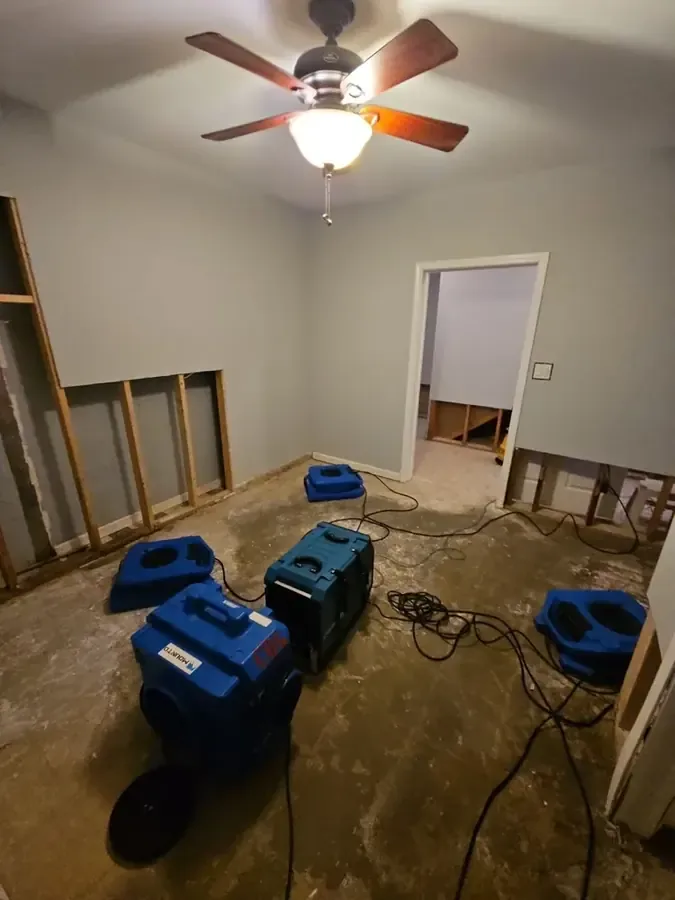
A sudden supply release

Burst Pipe Water Damage in Bellmead

A failed pipe can send water through a ceiling, down a partition and across several rooms before the supply stops. Bellmead cleanup planning starts with safe isolation, then follows the full discharge path through affected building materials.

(888) 527-9134Report the pipe break
Supply isolation coordination Connected room inspection Post repair moisture tracking
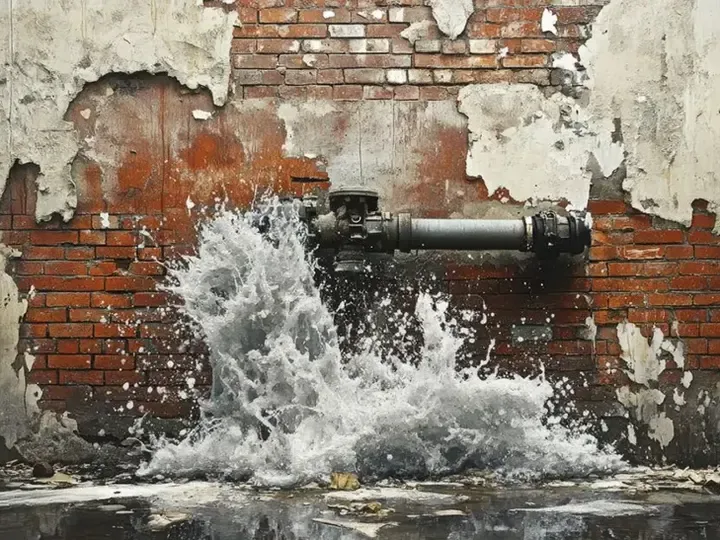
Water spraying from a damaged pipe against an exposed brick wall
Right now

First steps for burst pipe water damage in Bellmead

  1. 1

    Report active flow immediately

    The property contact should explain whether the supply is still releasing water and where the shutoff is accessible. Entry through wet electrical areas must wait for appropriate assistance.

  2. 2

    Keep people below damage clear

    A heavy ceiling or dripping light fixture creates a separate safety concern. Occupants should move to unaffected space instead of standing below the wet surface to collect water.

  3. 3

    Note the rooms reached first

    A brief sequence of discovery helps the inspection follow the discharge. Photos can show which doorways, closets and floor edges became wet as the incident developed.

  4. 4

    Coordinate plumbing and restoration access

    The owner should keep source repair findings available for the cleanup assessment. That record helps distinguish the repaired pipe opening from additional access needed for soaked building materials.

A sudden rush of water can make the nearest room look like the whole loss. The less visible damage may be inside a partition or beneath flooring farther along the discharge route. Bellmead utility guidance identifies broken pipes as one possible cause of unusually high water bills, and the customer portal provides historical consumption that can help document when a change began.

Stop the discharge without entering a hazard

An accessible shutoff may limit further wetting, but reaching a valve should never require crossing water near electrical equipment. A plumber or other appropriate professional can establish safe isolation and repair the failed section. Water around a ceiling fixture or a sagging overhead surface also calls for restricted access before anyone tries to save possessions beneath it.

  • The first report should describe whether water is still flowing.
  • A ceiling release can soak insulation before reaching the room.
  • Water following a partition may emerge beneath adjoining trim.
  • A shared floor finish can carry moisture through a doorway.
Typical cost ranges

What does burst pipe water damage cost in Bellmead, TX?

Bellmead burst pipe damage ranges are $1,200 to $4,000 for a limited discharge, $4,000 to $8,000 for rooms and cavities, and $8,000 to $15,000 for a broad concealed loss. The total depends on affected materials, safe access and the drying scope after isolation.

Limited discharge

$1,200 to $4,000
  • Water concentrated near the source
  • Accessible material inspection and removal
  • Drying focused on nearby surfaces

Rooms and cavities

$4,000 to $8,000
  • Spread through adjoining interior spaces
  • Access behind affected ceiling finishes
  • Equipment serving several wet assemblies

Broad concealed loss

$8,000 to $15,000
  • Multiple cavities needing moisture assessment
  • Extensive contents and material handling
  • Coordinated drying across connected rooms

These planning ranges vary with water category, affected floor area, material class and the delay before drying. Access and disposal also affect the scope. The water damage cost calculator allows those conditions to be compared.

Step by step

How burst pipe water damage is handled in Bellmead

The restoration technician records the wet materials and dry comparison readings. That inspection sets the removal boundary, equipment arrangement and measurements needed before repairs begin.

  1. 1

    Confirm the source status

    The initial discussion records supply isolation, plumbing findings and any continuing entry before removal and drying activities are organized around the affected spaces inside the building.

  2. 2

    Trace the water route

    Inspection follows ceilings, partitions and flooring from the release area, marking wet materials and capturing the conditions before selective access changes the visible damage pattern.

  3. 3

    Prepare surfaces for drying

    Standing water and damaged components are addressed first, then equipment is arranged to reach the retained materials without blocking necessary occupied routes through dry areas.

  4. 4

    Record the remaining work

    Moisture observations and removal notes explain what is ready for repair and where further treatment is required before the building finishes can be restored.

Survey rooms in the order the water traveled

The cleanup record should begin at the source area and continue through each affected assembly. That sequence helps explain why a hallway, closet or neighboring room belongs in the scope even when its surface water is less obvious. Photographs taken as access becomes safe should show contents positions, finish damage and any openings made for the pipe repair.

Bellmead has properties around La Vega High School, Brame Park and Loop 340. The location helps organize access, while the interior survey determines the actual work. The inspection should identify wet carpet padding, swollen panels and trapped water behind fixed furnishings instead of assuming every affected room can be treated alike.
Turn the emergency into a defined restoration scope

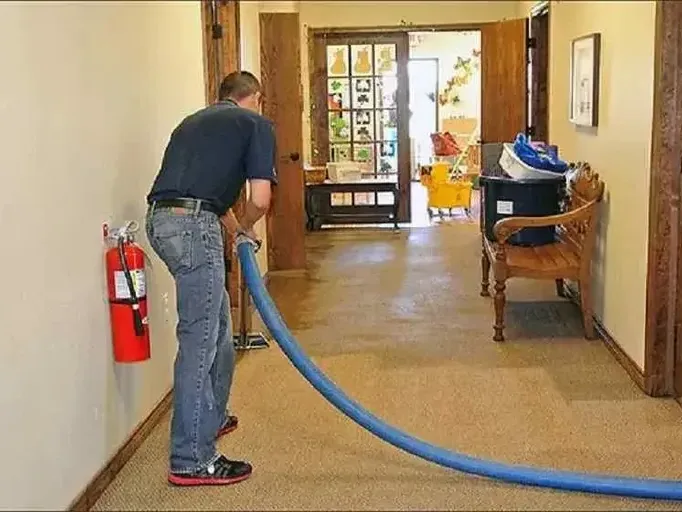
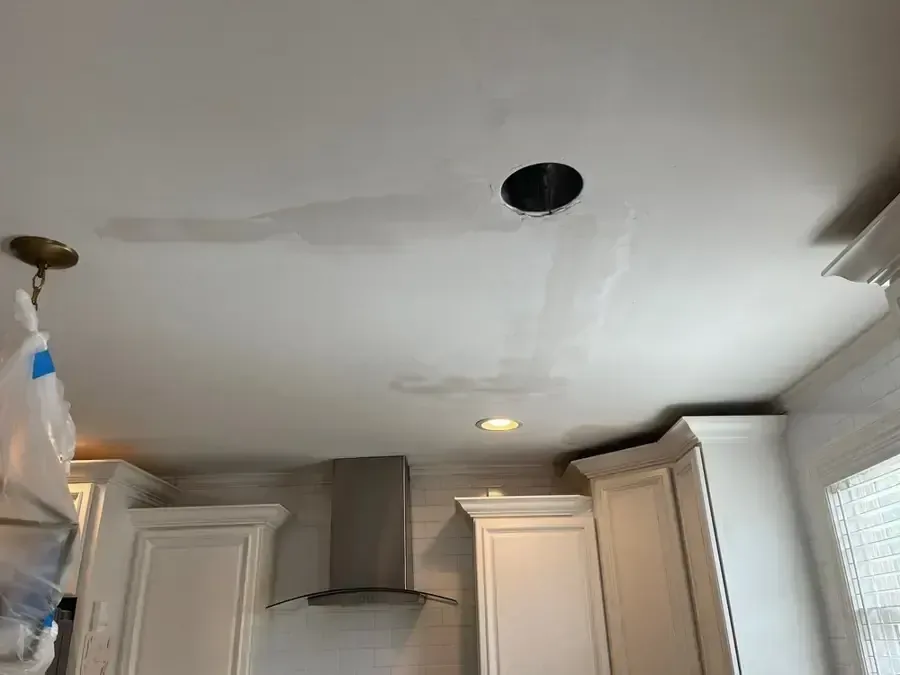
Once the supply problem is controlled, water extraction removes what can be collected. A release from above may also need a ceiling damage assessment. The work plan should distinguish immediate removal, selective material access, drying equipment and later finish replacement so the owner understands the sequence.

Readings at wall bottoms and floor edges can identify retained moisture after the main puddle disappears. Where materials remain sound, the drying approach should reach those layers and track their response. Where a finish has lost its shape or blocks necessary access, the removal decision should be recorded before work changes the room.

The repaired pipe and the dried building are separate milestones. Keeping source repair notes alongside moisture records creates a useful handoff for the contractor replacing insulation, board, trim or flooring when the restoration assessment is complete.

Bellmead, TX service area
Service area

Burst pipe water damage across Bellmead and nearby towns

Bellmead burst pipe assessments cover affected interiors around Loop 340, Brame Park and La Vega High School, with safe access coordinated first.

The same service nearby: burst pipe water damage in Woodway, Lacy-Lakeview, Waco.

Water damage restoration in Bellmead · every town covered

Answers

Burst Pipe Water Damage questions in Bellmead, TX

Does a high bill show when the pipe failed?

Historical consumption may help narrow the incident timeline, but it does not locate the defect. The plumber's findings and the occupant's observations should accompany the usage record when the event is documented.

Can a repaired pipe still leave a wet ceiling?

Yes. Insulation and board can hold water after the supply stops. The overhead assembly needs inspection and drying or removal decisions before its painted surface is repaired and the cavity closes again.

Should all the doors remain open during drying?

Door positions should follow the equipment plan. Opening or closing spaces changes the drying environment, so occupants should discuss access needs with the restoration contact instead of changing the setup without coordination.

How are damaged belongings recorded?

Photographs and a room based inventory can identify wet furnishings and possessions before they move. The record should distinguish items needing assessment from materials already approved for disposal during the cleanup work.

Why inspect a closet that has no puddle?

Water can enter through the base of a shared wall or beneath continuous flooring. Moisture measurements at the closet perimeter can reveal retained water even when the open surface has already cleared.

What separates plumbing work from restoration?

Plumbing work addresses the failed supply component. Restoration evaluates and treats the building materials and contents wetted by that release, then records their condition for the repairs needed after drying is complete.

Still dealing with it?

The stopped pipe is the beginning of recovery for rooms that absorbed the escaping water.

(888) 527-9134Discuss the discharge path
24/7 emergency dispatch

List the rooms reached by the release

A Bellmead damage assessment can connect safe removal with the cavity and flooring checks needed after the plumbing repair.

(888) 527-9134Arrange burst damage inspection
(888) 527-913424/7 water damage help