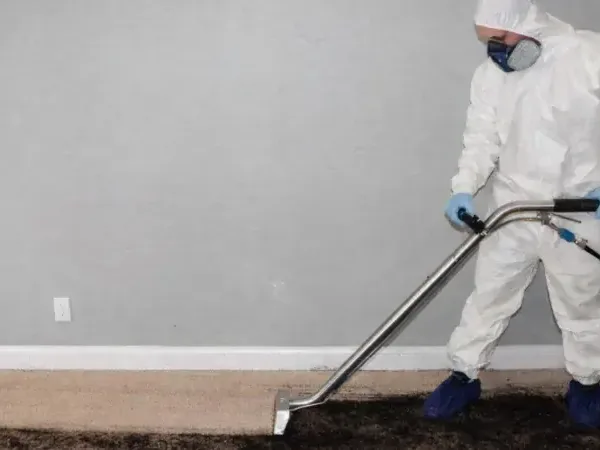
An indoor sewage overflow in Woodway requires immediate attention to the affected room, even when the owner also has questions about public sewer work. The city lists the Fairway Gravity Sewer Project Phase III among its capital projects. A useful response begins with the actual overflowing fixture, the water reaching nearby surfaces and the people who need to stay away from that area.
Key takeaways
- Keep occupants and pets outside rooms touched by wastewater, including paths used by wet footwear.
- Record the first affected fixture and whether water rises while household plumbing is unused.
- Send municipal project questions to the city with the property location and observed conditions.
- Have the drain problem assessed separately from removal of contaminated indoor materials.
- Retain photographs of concealed surfaces before replacement flooring or wall finishes cover them.
Describe the overflow before discussing nearby work
The most useful opening description identifies where wastewater appeared and what was happening at the time. A toilet overflowing during use, water rising from a shower drain and several fixtures backing up together are different observations worth recording in their original sequence.
The Fairway Gravity Sewer Project Phase III gives residents a specific project name when contacting the city. The owner should provide the room symptoms as well as the project question so the conversation addresses the active problem at the property.
A short written account helps different contractors work from the same starting point. It should identify the first visible overflow, any later spread into adjoining rooms and the household water use that stopped after discovery, without filling gaps in the timeline.
- Identify the fixture where wastewater first appeared.
- Describe whether other drains changed at the same time.
- Record the time of discovery separately from the suspected start.
- Keep the municipal report number with the property notes.
Make a boundary around the affected surfaces
A closed door can help restrict entry while the cleanup assessment is arranged. Residents should also consider the hall or doorway crossed after the overflow was noticed, because tracking through a room can carry wastewater beyond the original visible puddle.
Loose rugs, towels and belongings that touched sewage should stay within the affected area until a cleanup professional decides how to handle them. Moving those items to a dry bedroom creates another place requiring inspection and complicates the contents record.
The sewage cleanup service addresses containment, removal and cleaning inside the property. Its scope should describe the room boundary and the handling route for removed material so the household understands which spaces remain restricted during work.
- Keep children and animals away from the contaminated room.
- Avoid carrying wet furnishings through occupied spaces.
- Flag any electrical equipment touched by the overflow.
- Identify a dry route for essential movement through the home.
Give the drain contractor a useful sequence
A plumbing assessment focuses on why wastewater cannot drain normally. Useful observations include the last fixture used, any gurgling heard before the overflow and whether water continued rising after occupants stopped using sinks, showers and other connected appliances.
The contractor can record the location examined, the obstruction or defect found and the work performed to restore drainage. Those findings belong with the repair record, while descriptions of wet flooring and affected wall surfaces belong with the interior cleanup assessment.
If another overflow occurs, the new event should receive its own time entry and photographs. Reusing the original description can hide a change in the problem, especially when some rooms have already been cleaned or opened for access.
Follow wastewater under the visible finishes
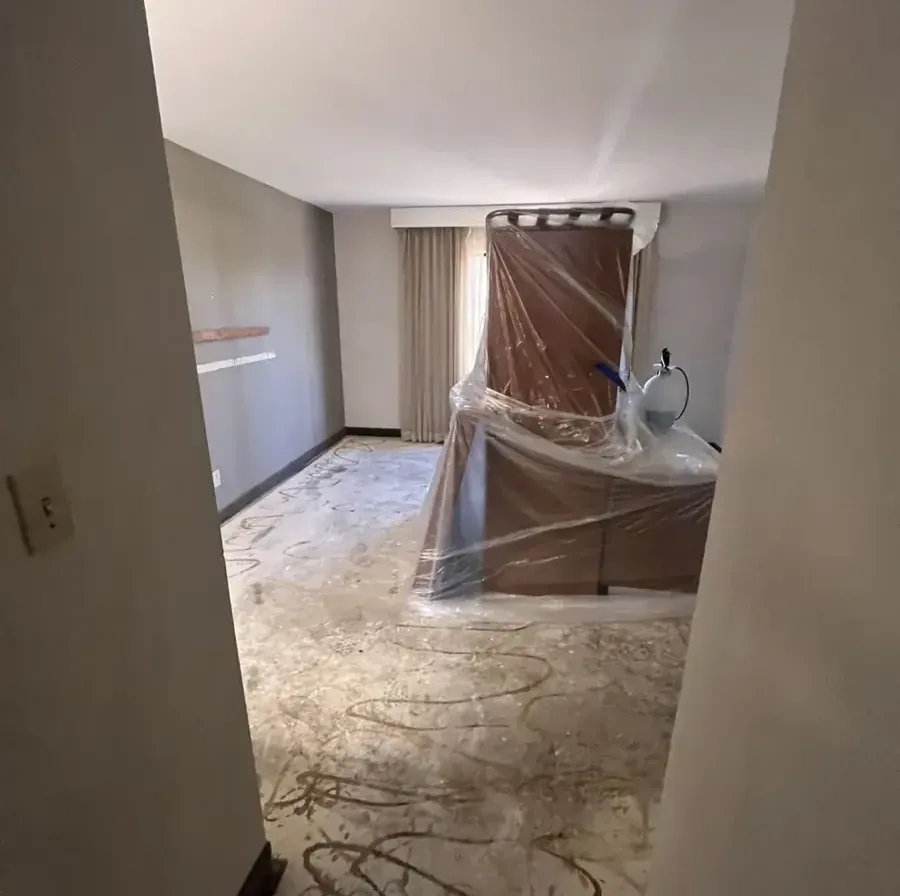
A dry looking tile surface can sit beside contaminated trim or a wet floor transition. The inspection should follow where liquid traveled beneath removable coverings, around cabinet bases and into openings at the bottom of walls, with findings recorded by material.
Porous items contacted by sewage need a removal decision based on their condition and contamination. The owner should receive a clear explanation of what can remain, what must leave and which attached finishes need access to expose the surfaces behind them.
Water removal reduces the liquid present, but the cleanup record also needs to describe the contamination left on contacted surfaces. Extraction, cleaning and material removal are separate tasks that should each appear in the written scope.
- Photograph floor transitions before coverings are lifted.
- Record cabinet interiors separately from exposed room floors.
- List removed items by room and material.
- Identify hidden surfaces that became accessible during removal.
Keep the public report connected to the property file
City utility billing is located on Estates Drive. An account inquiry can begin with the utility contact, while a question about the listed sewer project should identify the project by name and ask for the appropriate municipal contact for that concern.
The household file should preserve what was actually reported and any response received. A report identifier, the date of contact and the specific question are easier to use later than a vague note saying that the city was aware of a problem.
The same file can hold the plumber's findings without merging the documents into a single conclusion. Municipal correspondence describes the public inquiry; the drain report describes the inspected plumbing; photographs and cleanup notes describe conditions inside the building.
Dry retained materials after the cleanup assessment
Once the affected material decisions and cleaning work are complete, the remaining structure needs a moisture assessment. Exposed wood, wall bases and the edges of retained flooring may need attention even when the room no longer contains standing liquid or visible debris.
A structural drying plan should identify the materials being measured and the access needed to reach them. The equipment arrangement follows those surfaces, with repeat readings used to show where moisture is falling and where another adjustment is needed.
The household should receive separate information about drying progress and the remaining repair work. A wall ready for reconstruction still needs its replacement finish, and a room with equipment removed may have openings or missing flooring that affect ordinary use.
Finish with a room specific handoff
Before replacement work begins, the owner should be able to trace the project from the initial overflow to the exposed surfaces and final material readings. Matching photographs to room labels makes that record understandable without requiring someone to reconstruct events from memory.
The handoff should identify unfinished plumbing, open wall sections, removed floor coverings and belongings still awaiting a decision. Each item needs a responsible contact so a general statement that cleanup is complete does not conceal work remaining in another part of the home.
Future drainage concerns can be documented in the same property file while retaining a separate event date. That approach preserves the earlier project record and gives a new contractor a clear picture of which conditions returned and which repairs had already been completed.
Questions
What should an owner mention when contacting the city?
The report should identify the property, the affected fixture and whether the overflow is continuing. If the question concerns the Fairway project, including that name helps direct the inquiry. A copy of the submitted description belongs with the homeowner's other event records.
Should household drains continue to be used during a backup?
Water use through affected plumbing should stop while the drainage problem is assessed. The household can tell the plumbing contractor which fixtures were last used and whether wastewater rose afterward, providing a more useful starting point than repeated flushing or testing by occupants.
Can a rug touched by sewage dry in another room?
A contaminated rug should remain isolated pending a professional contents decision. Moving it through the home can spread contamination to previously unaffected flooring and furniture. Its location and condition should be photographed before removal so the record stays connected to the original overflow.
What belongs in the final cleanup paperwork?
Useful closeout documents identify contacted materials, cleaning and removal work, moisture checks and remaining repairs. The drain contractor's source findings and municipal correspondence can be attached as separate records, allowing the owner to follow each part of the response.