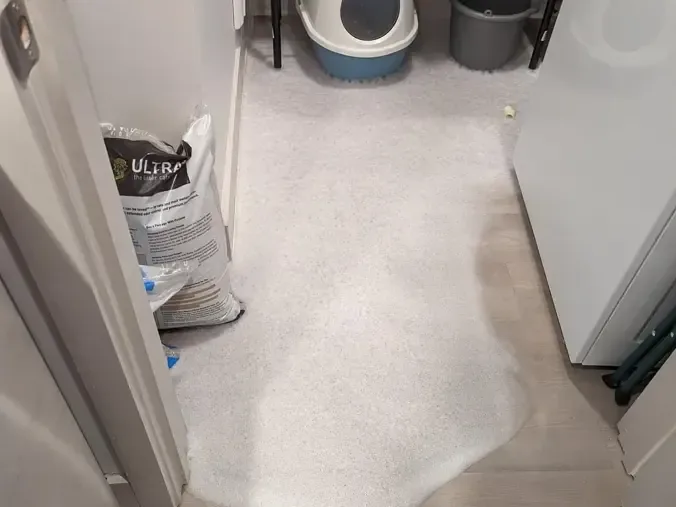
A small puddle beside an appliance can be the visible end of a much larger wet area in a Woodway home. Cabinets, flooring edges and the space behind the machine deserve inspection before the room is considered ready for normal use. City utility billing on Estates Drive provides a place for account questions, while the indoor response starts with the leaking appliance and the materials it reached.
Key takeaways
- Record which appliance was operating when the puddle appeared.
- Have an accessible appliance supply isolated safely before another cycle is attempted.
- Keep the original cabinet and floor condition in photographs before access work.
- Ask for readings beneath fixed edges as well as on the open floor.
- Separate the appliance repair from drying, cabinet decisions and replacement finishes.
Notice what the machine was doing
A leak discovered during a wash cycle gives the appliance technician a different starting point from water appearing while the machine is idle. The homeowner's notes should capture the cycle or activity observed, the location of the first puddle and any sound that drew attention.
The machine should not be run again simply to reproduce a problem that is already spreading water. A repair professional can decide how to investigate safely, with the supply connection, drain connection and appliance body considered as possible locations requiring examination.
Photographs taken from a dry position can preserve the display, nearby fittings and water boundary. A clear record of what was visible before the appliance moved is useful because later access can change both the puddle shape and the position of a connection.
- Identify the machine and the observed operating state.
- Note water appearing during use or while the appliance is idle.
- Record any shutoff performed and who performed it.
- Keep wet electrical parts out of household troubleshooting.
Arrange access without dragging damage farther
A heavy appliance may cover wet flooring while remaining connected to power, water or a drain. Moving it requires attention to those connections and the surface beneath its feet, especially when the floor has softened or the machine is difficult to reach.
The appliance leak cleanup assessment should account for that access problem before equipment is positioned. The repair and drying teams can coordinate the opening so the exposed area is inspected while the appliance is safely out of the way.
Belongings in adjacent cabinets can be listed and moved through a dry route when safe. Items already wet should be kept separate so their condition can be assessed without transferring water to shelving or storage areas that were previously unaffected.
Read the floor from the puddle outward
The visible water edge is an initial observation, not the end of the inspection. Technicians should follow flooring joints, door transitions and changes in material, looking for where liquid could have passed beneath a surface or collected against a fixed obstruction.
A cabinet toe space deserves attention because its narrow opening can hide the wet base behind it. The condition of that base and the floor underneath should be described separately, particularly where one material can remain while another needs removal or more direct access.
Extraction from affected flooring should be recorded by area so the owner can see which surfaces were treated. Any inaccessible edge should be identified in the notes and revisited when access becomes available, rather than disappearing from the scope.
- Compare the open floor with edges beneath fixed cabinetry.
- Check adjoining doorways and changes in floor covering.
- Photograph swelling or lifted joints before materials are disturbed.
- Label locations that still need access after the first inspection.
Keep an account question separate from a wet room
Woodway utility billing is on Estates Drive. An owner reviewing an unexpected account change can retain the relevant bill and ask an account question while the appliance technician determines which component released water inside the building.
The property record should distinguish what the account shows from what was found behind the machine. A bill entry and a photographed fitting answer different questions, and keeping both in their original form makes later discussions with repair contractors easier to follow.
The leak timeline should also include periods when the supply was isolated or the appliance was unused. Those observations help explain how the household responded and give the technician context when reviewing whether the repaired appliance is ready to return to service.
Choose cabinet work from the exposed condition
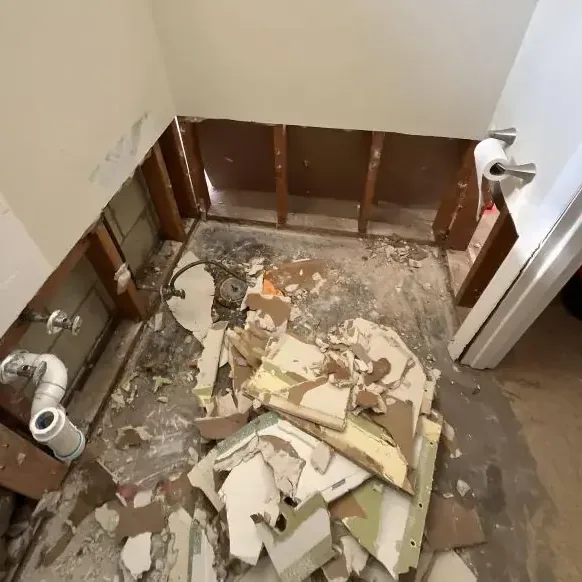
A cabinet face may look intact while its base has absorbed water. The assessment should identify the affected component, the visible change and the moisture present so the owner receives a material decision that relates to the actual cabinet rather than the room as a whole.
Where an opening is needed, its purpose should be explained before work begins. Access to a wet cavity, removal of a damaged panel and disconnection for appliance repair are different tasks, even when they occur beside the same piece of cabinetry.
The repair proposal should describe what will be reattached, replaced or refinished after drying. It should also identify any remaining access requirement so an early cosmetic repair does not cover material that still needs inspection or prevent the appliance contractor from completing work.
- Identify each cabinet part affected by escaped water.
- Record why a panel or trim piece was opened.
- Keep reusable pieces labeled for their original location.
- List finishing work separately from moisture removal.
Measure the spaces equipment cannot reveal by sight
Fans in an open kitchen do not show what is happening beneath a floor covering or inside a cabinet base. A useful drying record identifies the surfaces being measured, how they were accessed and what comparison was used to judge their progress.
The material drying process follows changes at those locations. If an enclosed edge remains wet, the plan may need better access or a different arrangement rather than simply leaving the room setup unchanged and waiting for a dry appearance.
Occupants should receive a practical explanation of how to move around the equipment and protect its connections. Keeping the work area accessible also allows the technician to revisit the same measurement points without shifting stored items or reinstalling panels between checks.
Prepare the kitchen or laundry area for normal use
Returning the appliance to service requires its own repair confirmation, separate from the drying handoff. The appliance record should identify the finding and correction, while the restoration record should describe the surrounding flooring, cabinetry and wall surfaces that were affected.
Before the machine covers the opening again, final photographs should show the accessible floor and connections. This is also the time to record any missing trim, unfinished cabinet surface or remaining floor repair so the household has a complete list of outstanding work.
An owner noticing new moisture after reinstallation should record it as a fresh observation with the appliance's operating state. That makes it possible to compare the new condition with the repair and drying records without overwriting the original sequence of events.
Questions
Why inspect a cabinet when the puddle is in front of it?
The narrow space below a cabinet can conceal water that traveled away from the appliance. Examining that space gives the technician access to the cabinet base and floor edge, where the condition can differ from the exposed walking surface.
Should the machine be pulled out immediately?
Access should be arranged with attention to its live connections, weight and the condition of the floor. A wet or damaged appliance area is unsuitable for improvised electrical work. The responsible technician can coordinate movement with the inspection of the newly exposed surfaces.
What records help with an appliance repair discussion?
The model information, operating state at discovery, photographs of the original water and a note of any shutoff are useful. The repair invoice can then be paired with those observations and kept alongside the separate record of affected building materials.
When can trim be put back around the appliance?
Trim replacement should follow the relevant material assessment and any remaining appliance access. The work record should show that the concealed area was checked before it was covered, while the repair plan identifies which pieces can be reused and which need replacement.