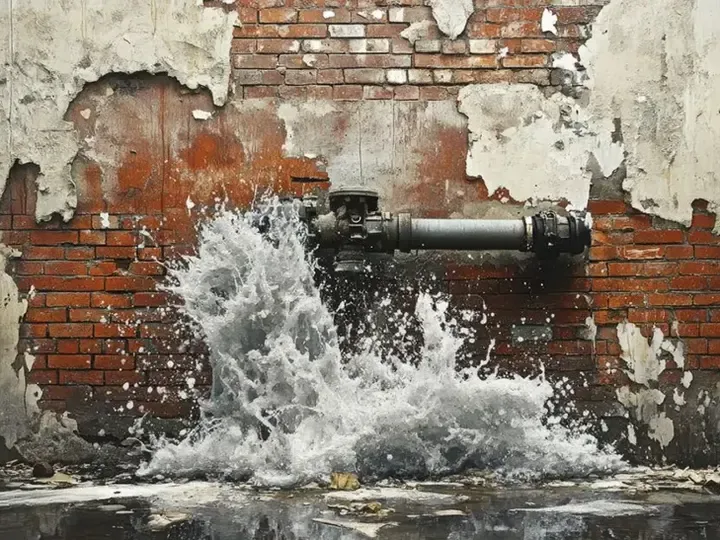
February 11 through February 20, 2021: prolonged freezing weather caused Robinson customer water service pipes to break or leak. That documented event makes preparation for a new cold weather release a practical household task. When water appears, the useful response combines safe source control with an accurate account of the damaged rooms, rather than relying on a general description of the weather.
Key takeaways
- Identify whether the observed release is continuing and which rooms can be approached safely.
- Record shutoff actions so the plumbing contractor knows the supply condition on arrival.
- Keep photographs of the original opening and failed component with the repair findings.
- Describe the water reaching floors and walls separately from the plumbing defect.
- Preserve a dated record of each room before reconstruction changes the exposed surfaces.
Prepare a useful report of the new release
The March 2021 council staff memorandum described broken or cracked customer water pipes during extreme winter weather and widespread power outages. For a new loss, the homeowner's report should begin with the current observations: running water, an unexpected wet area or a visible release at a fitting.
The discovery time and the suspected start should be written separately when they differ. Someone returning to a wet room may know when the problem was found without knowing how long the pipe had been leaking, and that distinction helps preserve an accurate sequence.
The initial report should identify occupied spaces, wet electrical components and any ceiling or floor condition that restricts access. Those details help the responding trades understand the work area before anyone attempts a closer examination of the leaking assembly.
- Describe the visible water source or the first wet surface.
- State whether the flow appears active or has stopped.
- List the rooms currently affected and any access hazards.
- Keep the discovery time separate from estimates about when leakage began.
Arrange water control with the correct contact
The City of Robinson Utility Systems Department maintains water and wastewater services and monitors the utility systems daily. A property owner seeking help with public water service can describe the service concern while also arranging a plumbing assessment of the release inside the property.
An accessible household shutoff may be used when it can be reached safely. The person reporting the problem should describe what was operated, whether the flow changed and whether water remained visible afterward, giving the plumber a clear account of the supply condition.
The burst pipe response addresses the escaped water alongside source repair coordination. The room assessment should proceed from the actual release and observed spread, with utility correspondence retained as a separate part of the incident file.
Preserve the plumbing finding before closure
The plumbing contractor should identify the component examined and record the condition found before repair. Photographs of the accessible failure and the repair opening can later explain why that location was opened and which portion of the assembly required correction.
The repair note should distinguish the observed defect from the method used to correct it. That level of detail is more useful than a short invoice entry stating that a leak was fixed, especially when several trades will work around the same opening.
Any remaining access requirement should be communicated to the restoration and reconstruction teams. A newly repaired connection may still need observation or another scheduled task, and the owner should know about that requirement before a wall or enclosure is restored.
- Retain the source photographs with the plumbing invoice.
- Identify the repair opening by room and wall location.
- Record the corrected component in the contractor's own description.
- List any remaining plumbing access needed before finish work.
Follow the release through the connected rooms
Pressurized water can move away from the failed component before it is noticed. The cleanup inspection should examine the floor below the release, nearby wall bases and any connected space showing drips or wet finishes, with each affected material identified in the room record.
The water extraction plan should explain where liquid remains accessible and where coverings or fixtures block inspection. A record of those limits helps the team return to the correct areas when access improves rather than treating the first visit as complete.
Contents affected by the water should be documented in place before they move. The owner can then follow the relationship between an item, its original location and the adjacent wet surface, which is harder to establish after belongings have been gathered into another room.
Keep repair administration attached to its work scope
Robinson uses CivicGov for permit applications, and contractors register through that system. When repair work raises an administrative question, the contractor can identify the proposed scope and handle the relevant application discussion while the owner retains the resulting correspondence.
The project file should identify which contractor performed each task and what remains unfinished. Plumbing correction, water removal, material drying and replacement finishes may happen around the same damaged area, but each produces a different type of completion record.
A household can organize those records by the work they describe. The source repair report belongs with plumbing documents, equipment and moisture notes belong with mitigation, and the replacement proposal belongs with the surfaces to be reconstructed after the affected materials are assessed.
- Keep the repair scope beside any application correspondence.
- Identify the contractor responsible for each open task.
- Save removal photographs before replacement work starts.
- Request a list of unfinished surfaces at every handoff.
Check the retained structure after the pipe is repaired
The source repair stops an active release, while the surrounding material assessment determines what the water left behind. A wall base or enclosed floor edge can require further access even after the fitting is corrected and the nearby walking surface appears dry.
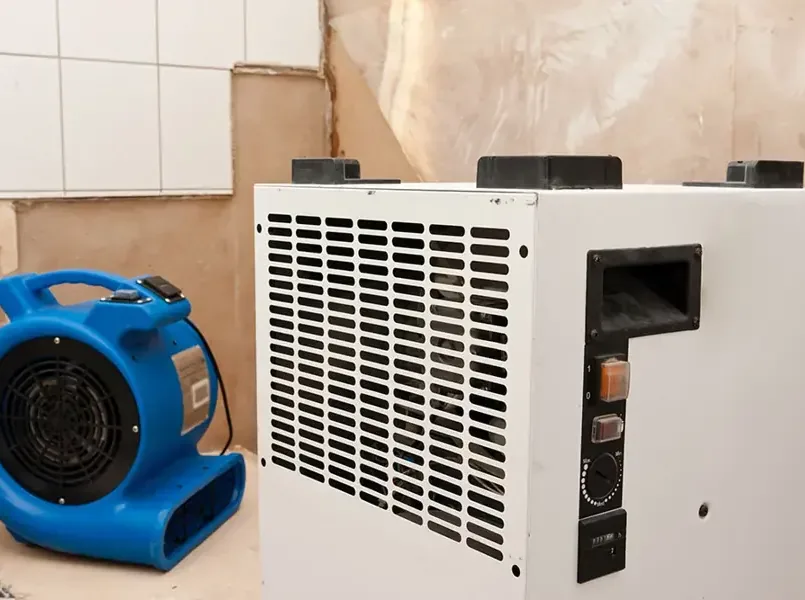
Structural drying should track the retained materials at identifiable locations. The owner can ask which points are being compared, what progress has occurred and why the equipment arrangement changes as different parts of the assembly respond.
Where an area remains elevated, the next step should be explained in the room notes. The technician may need to review access or reassess the water path, and that explanation should stay connected to the location rather than becoming a general statement about the whole house.
Close the event with a clear remaining work list
The completed incident file should allow a reader to move from discovery to source correction, then through water removal and the condition of retained materials. Dated photographs and clearly named rooms make that sequence usable even after furniture and finishes return to their usual positions.
The February 2021 municipal record is a historical account of local pipe damage. A homeowner's current file should carry the dates, observations and contractor findings for the new release so the property history remains specific to what actually happened there.
The final handoff should identify open surfaces, missing trim, disconnected fixtures and other work still scheduled. A household can then plan room use and contractor access from a concrete list, with any later moisture discovery recorded as a new observation for followup.
Questions
What local freeze event is documented?
The city recorded customer pipe breaks and leaks during the prolonged freezing period in February 2021. The council staff memorandum also described cracked or broken pipes and power outages. A new property loss still needs its own discovery record and plumbing assessment.
What should be recorded after a shutoff is operated?
The notes should say which control was used, who operated it and what happened to the visible flow. That gives the plumbing contractor a starting supply condition and helps distinguish continuing leakage from water already moving through the building.
Can cleanup records be combined with the plumbing invoice?
They can be kept in the same property folder while retaining separate descriptions. The invoice explains source correction; the cleanup records explain contacted rooms, removed materials and drying results. Together they show the complete response without hiding the responsibility for each task.
What information helps before walls are repaired?
The repair team needs photographs of exposed surfaces, the source contractor's findings, the moisture handoff and a list of access still required. Those items help the team plan closure around completed work and identify any unresolved task before it becomes concealed.